
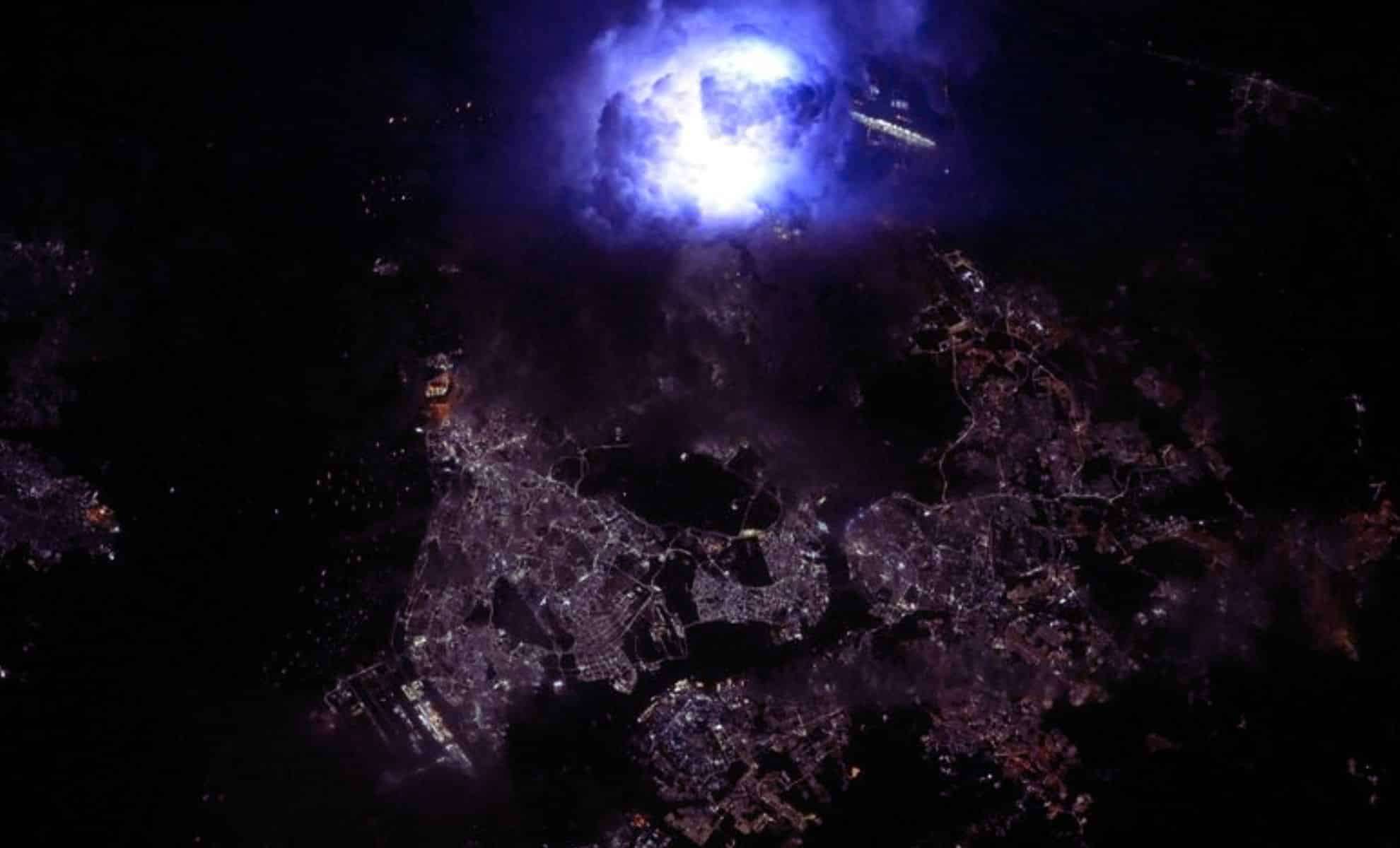
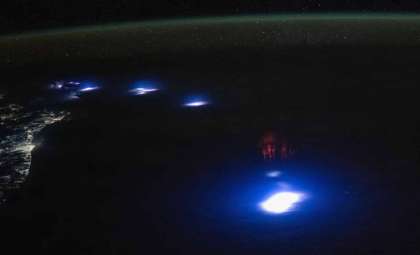
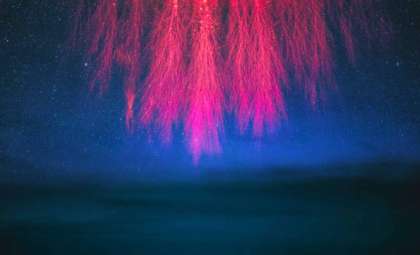
On June 15, 2025, crew members aboard the International Space Station (ISS) captured an impressive lightning storm raging over Southeast Asia. The spectacular photo, released by NASA, reveals brilliant flashes piercing the cloud tops above Singapore. This rare image offers a unique perspective on storms observed from low Earth orbit, showcasing the striking power and elegance of natural weather phenomena as seen from space.
How Lightning Observations from Space Enhance Our Weather Understanding
Beyond its stunning visuals, the lightning captured near Singapore holds valuable scientific importance. Viewing such events from the International Space Station provides researchers with a fresh vantage point on atmospheric processes. Unlike conventional weather satellites that track storm developments broadly, the ISS crew can detect subtle weather dynamics and patterns often missed by automated systems. This supplementary data plays a critical role in refining climate predictions, boosting the precision of weather forecasts, and deepening knowledge about tropical storm behavior.
Lightning Activity over Singapore: Insights from Space-Based Monitoring
Situated near the equator, Singapore regularly endures intense thunderstorm activity. The lightning event documented here took place as the ISS passed approximately 259 miles (417 kilometers) above the South China Sea. Astronauts witnessed lightning illuminating the nocturnal skies below in real time. Such intense storms provide key opportunities to analyze tropical weather phenomena, which are challenging to forecast reliably. Enhancing comprehension of these systems supports the development of more effective prediction tools for regions prone to heavy storms, including Southeast Asia.

The ISS’s Crucial Contribution to Weather and Climate Science
While satellites remain central to global weather surveillance, the ISS adds significant value to climate and atmospheric research. Observations made by astronauts enrich the remotely sensed data with a direct human perspective, aiding in the interpretation of complex weather patterns. This real-time monitoring improves the linkage between data sources and leads to better prediction models. As extreme weather events become increasingly common, the ISS's role in advancing our understanding of Earth’s evolving climate grows ever more important.
Decoding the Unique Appearance of Lightning from Orbit
Lightning viewed from space displays distinct characteristics compared to ground observations. The ISS image captures a glowing, nearly spherical burst of light caused by lightning striking clouds above an urban area. This visual effect arises from the specific viewing angles astronauts have from orbit. The lightning's illumination is scattered and diffused differently than on the surface, offering scientific insight into how electrical discharges propagate through the atmosphere. These observations expand our awareness of atmospheric electricity phenomena beyond traditional ground-based perspectives.
As the ISS continues its journey around Earth, its capacity to document uncommon weather events like this lightning strike advances scientific inquiry and public knowledge alike. The image showcasing the storm over Singapore exemplifies how human observations from space complement satellite monitoring, providing researchers with invaluable data to investigate our planet’s dynamic weather systems. From wildfires to volcanic eruptions and storm activity, the ISS offers unparalleled views that enhance efforts to comprehend the forces shaping Earth’s atmosphere.
- Categories:
- News





0 comments
Sign in to Comment