
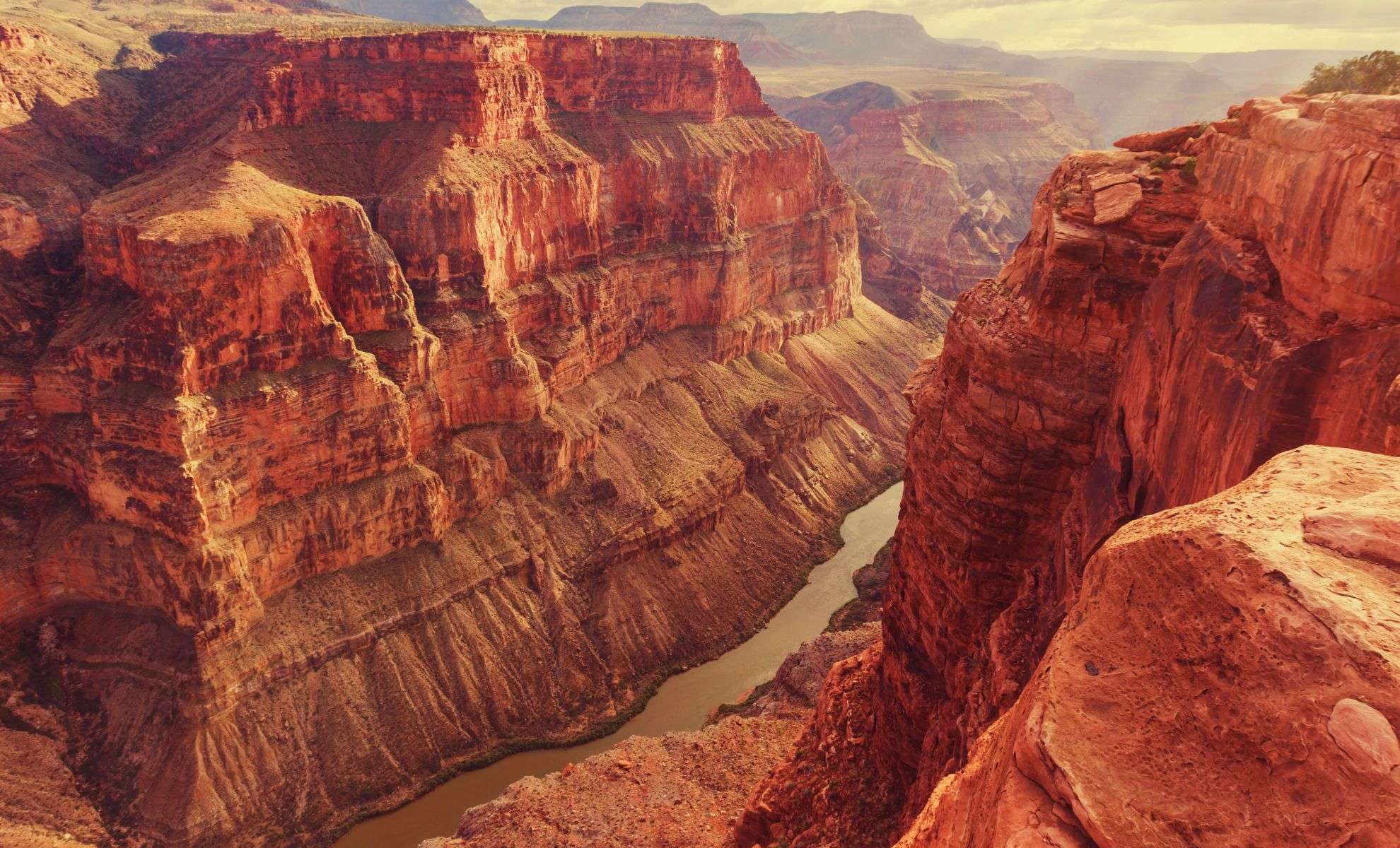
One of Earth's most stunning natural landmarks, the Grand Canyon, might harbor untold geological secrets dating back tens of thousands of years. New research highlights a surprising link between a colossal meteor impact and a massive flood event approximately 56,000 years ago. A recently published study in the journal Geology suggests that an ancient asteroid strike at Arizona’s Barringer Crater could have set off a landslide that dammed the Colorado River, causing significant flooding within the canyon.
This new perspective challenges previous assumptions about the formation and environmental changes in the Grand Canyon. The research proposes that seismic shockwaves from the meteor impact, despite occurring over 100 miles away, were sufficient to trigger a cliff collapse along the river. This blockage led to an impoundment of water that flooded large portions of the canyon, linking two major geological events that had long been regarded as independent.
Impact Origins and Widespread Geological Influence
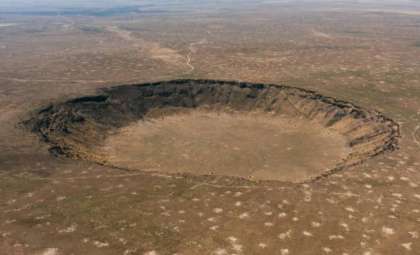
The Barringer Crater, created by a meteor collision some 56,000 years ago, is a testament to the power of extraterrestrial forces affecting Earth’s surface. Far from being a localized event, the impact generated ground tremors equivalent to a moderate earthquake, sending powerful shockwaves through the nearby landscape, including the distant Grand Canyon. Lead researcher Karl Karlstrom explains that these seismic waves likely destabilized a substantial portion of the canyon’s cliff, sending debris surging into the Colorado River.

“While chance events like isolated rockfalls or local earthquakes within a millennium of the impact are possible,” Karlstrom notes, “the synchrony and magnitude of these events strongly support the meteor's role in causing the landslide.” The study asserts that the impact's energy provided the necessary force to disrupt the canyon walls, obstructing the river and producing an extraordinary flood situation.
Decoding the Grand Canyon’s Ancient Flood Evidence
Remnants found inside caves located high above the current Colorado River level — including ancient driftwood — have long baffled geologists. These materials imply that, in the distant past, water levels surged dramatically above present-day heights. Until now, no clear explanation existed for this phenomenon.
By correlating the timing of these flood indicators with the meteor impact, scientists identified a direct connection dating back around 56,000 years. Karlstrom points out, “The flood levels implied by the driftwood would have been about ten times greater than any floods observed in recent millennia,” a scale only possible if a natural dam had temporarily blocked the river’s flow.
The findings propose that the landslide dammed the Colorado River, causing a vast temporary lake to form upstream. This newly formed body of water flooded extensive sections of the Grand Canyon, pushing water levels far beyond their modern limits.
Additional research, including sampling driftwood and sediment from numerous high-elevation caves, bolsters the theory. Laura Crossey, co-author of the study, remarks, “Through multiple field expeditions, we found consistent evidence of flood deposits and dated driftwood all corresponding to this timeframe.”
Challenges in Demonstrating the Connection
Although the link between the meteor impact, landslide dam, and subsequent flood is compelling, the authors caution that definitive proof remains elusive. “Our conclusions are well-supported but not absolute,” Karlstrom explains. “Still, the coincidence of the impact, massive landslide, unique lake sediments, and driftwood deposits at such elevations is remarkable.”
The inherent complexity of Earth's geological processes means other factors—like random localized falls or minor earthquakes—could also have contributed. Nevertheless, the convergence of multiple data points around the meteor event makes it the strongest candidate behind this dramatic flooding episode.
The team emphasizes how rare it is for such a sequence—an extraterrestrial impact leading to a gigantic landslide and significant flooding—to be documented so clearly. This research advances our comprehension of Earth's dynamic geological history and the profound effects of rare external forces on shaping iconic landscapes.
- Categories:
- News




0 comments
Sign in to Comment