
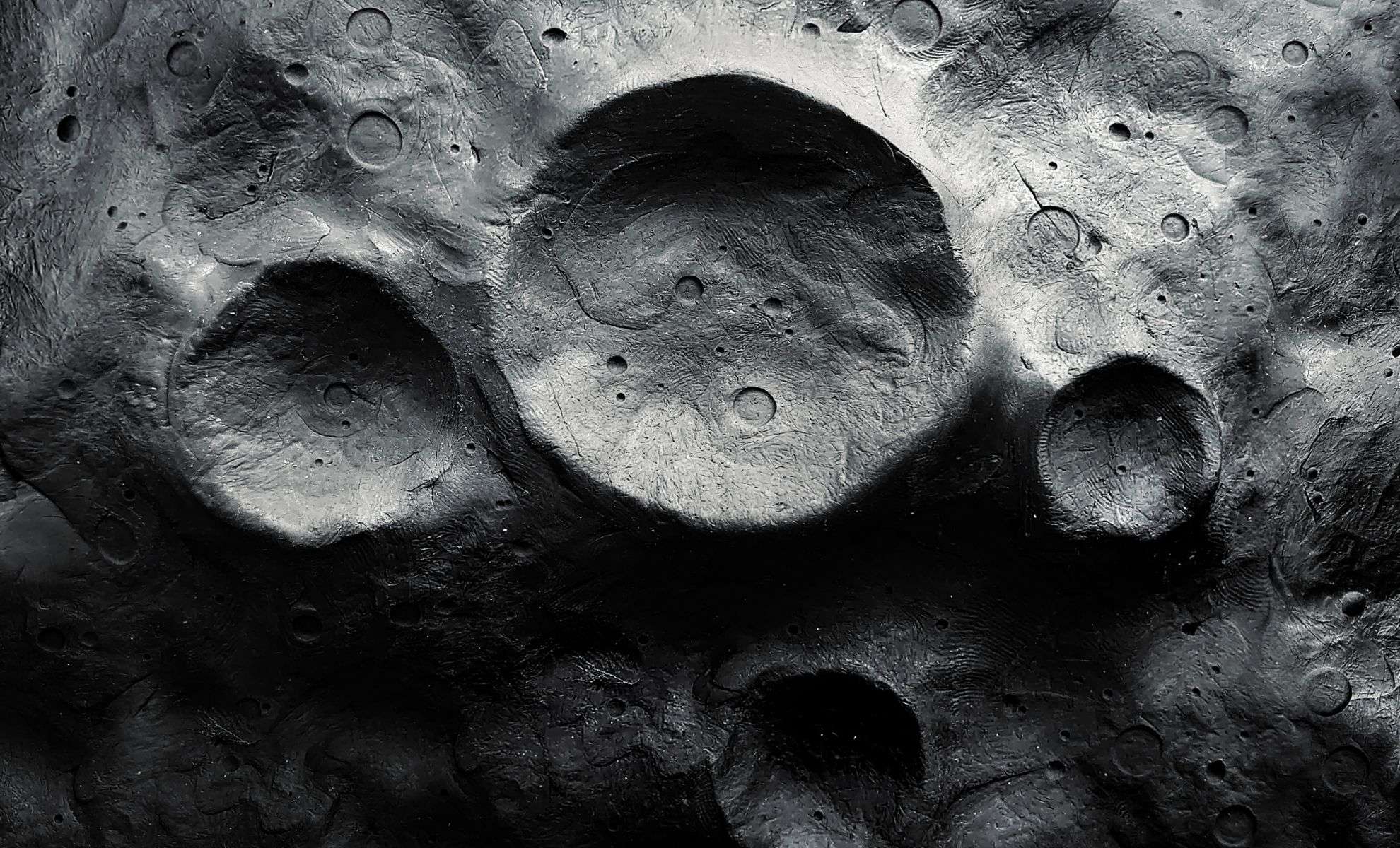
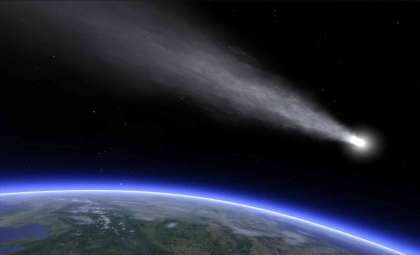
A sizable asteroid initially flagged as Earth's most significant collision risk might now be headed straight for the moon. Known as asteroid 2024 YR4, this object has captured the attention of astronomers as its path has shifted, raising concerns about possible impacts on lunar installations and satellites orbiting Earth.
Shifting From Earth Hazard to Lunar Collision
Discovered in late 2024, 2024 YR4 was first predicted to potentially strike Earth, with a peak impact probability of 3.1% targeted for February 2025 — the highest risk ever detected for an asteroid. However, ongoing observations from both terrestrial and space-based telescopes allowed refined calculations, and by June 2025, scientists confidently excluded Earth as a collision target.
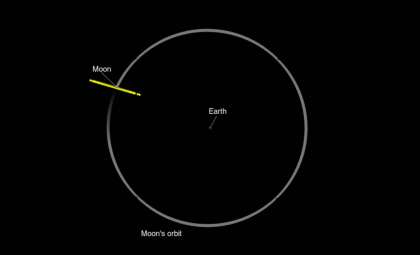
While the threat to Earth has diminished, the moon faces a new risk. Data from NASA indicates the likelihood of a lunar strike is now at 4.3%, anticipated around late 2032. Although the chance remains relatively small, experts are considering the possible effects of such an impact on lunar exploration and infrastructure.

Potential Effects of a 2024 YR4 Moon Impact
Should the 60-meter asteroid — comparable in size to a large building — collide with the lunar surface, scientists predict a powerful explosion releasing energy on the scale of a regional disaster. Dr. Paul Wiegert from Western University, Ontario, estimates the impact crater could span about one kilometer, akin to Arizona's famous Meteor Crater. This would be the largest impact on the moon in five millennia.
The collision wouldn't simply create a spectacular flash; it could eject around 100 million kilograms of lunar material, some potentially traveling toward Earth. Dust-sized particles might arrive days to months post-impact, producing a spectacular meteor shower visible without instruments, according to Wiegert. While Earth's atmosphere protects people from any harm, these particles could pose threats to satellites orbiting close to Earth.
“Even fragments the size of sugar cubes, moving at extremely high speeds, have the potential to harm sensitive satellite components,” Wiegert explained. Satellite arrays could face debris exposure normally accumulated over a decade compressed into just a few days, jeopardizing vital communication, navigation, and observation systems.
Safeguarding Lunar and Orbital Assets
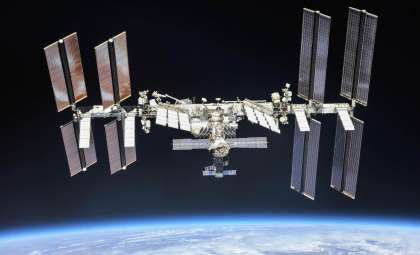
A strike on the moon also raises alarms for future manned missions and robotic installations. High-speed debris could threaten upcoming lunar habitats and laboratories scheduled for the early 2030s, particularly since the moon lacks an atmosphere to slow down incoming fragments. Although the International Space Station will likely have been decommissioned by then, spacecraft operating in low-Earth orbit could still be vulnerable.
This shift in threat focus has prompted experts to rethink the boundaries of planetary defense. Dr. Wiegert advocates for expanding monitoring beyond Earth itself: “We now protect assets located farther from Earth.” The unfolding story of YR4 could mark humanity’s first deflection attempt aimed at safeguarding the moon, rather than Earth.
Efforts like NASA’s Double Asteroid Redirection Test (DART), which successfully nudged asteroid Dimorphos’ orbit in 2022, provide a template. However, specialists emphasize such a mission for 2024 YR4 would need to be planned closer to 2028, once the asteroid comes back into observational range.
Closing Gaps in Asteroid Surveillance
Asteroid 2024 YR4 was discovered just two days after passing near Earth, obscured by sunlight glare at the time. This scenario resembles the 2013 Chelyabinsk event, where a 20-meter asteroid exploded above Russia without early warning, injuring about 1,500 people.
To eliminate these blind spots, future instruments are in development. NASA’s NEO Surveyor, set to launch in 2027, and the European Space Agency’s NEOMIR satellite, planned for early 2030s deployment, are designed to find asteroids near the sun where current systems struggle. ESA’s Richard Moissl notes NEOMIR would have detected YR4 an entire month earlier than today's ground telescopes.
Additionally, the new Vera C. Rubin Observatory in Chile has already identified more than 2,100 previously unknown asteroids. Though none pose immediate risks, Rubin is expected to play a vital role in asteroid hunting, complemented by the James Webb Space Telescope (JWST), which refined 2024 YR4’s size estimate in March 2025 and helped exclude Earth as a potential impact site.
- Categories:
- News






0 comments
Sign in to Comment