
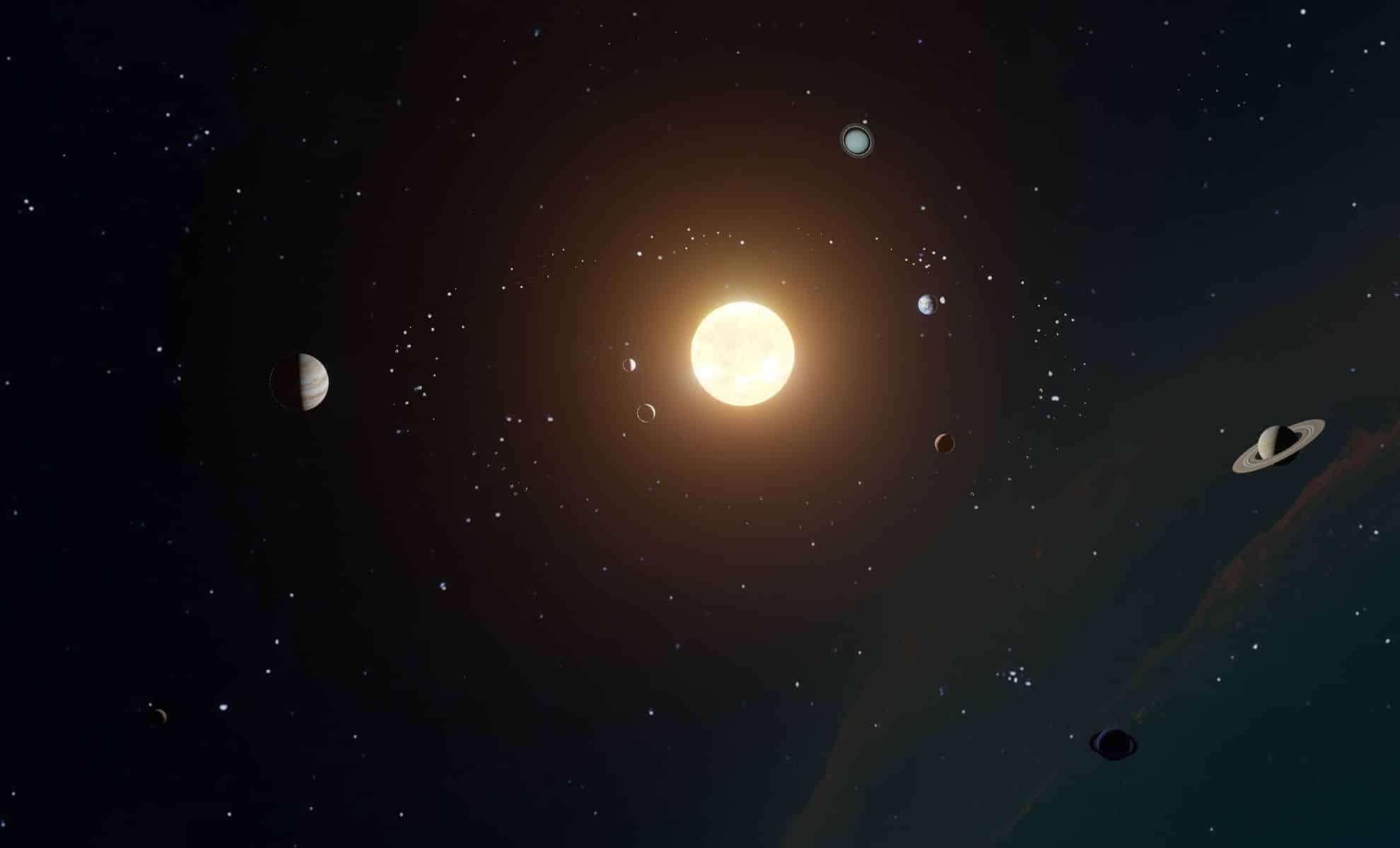
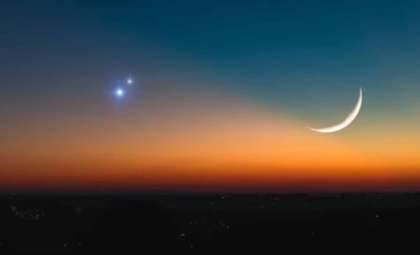
This coming August 2025, astronomy enthusiasts will witness an extraordinary event as six planets and the Moon gather in the early morning sky. The lineup will feature Mercury, Venus, Jupiter, Saturn, Uranus, and Neptune showcasing a magnificent cosmic formation shortly before sunrise. Sky at Night Magazine highlights this as a special occasion, distinct from other parades earlier in 2025, offering an exceptional sight for early morning viewers.
This event is expected to captivate both casual observers and experienced astronomers alike. Catching this planetary parade requires precise timing and a clear view of the eastern horizon just before dawn. Although observable throughout the Northern Hemisphere, the planets’ altitude and prominence will depend on each viewer’s location.
Understanding Planet Parades
A planet parade is a rare phenomenon where multiple planets appear aligned from Earth’s perspective. This happens because the planets orbit the Sun roughly within the same plane. Following the ecliptic—the Sun’s apparent path—these worlds occasionally line up, creating a spectacular sweep across the sky. Such alignments are infrequent and depend on specific orbital positions.

In August 2025, the lineup will include Mercury, Venus, Jupiter, Saturn, Uranus, Neptune, and the Moon. Visible shortly before sunrise, this conjunction excludes Mars, which participated in the January 2025 event. Despite Mars’s absence, the spectacle will encompass a large section of the morning sky.
Meet the Planets of August 2025
Venus: The Radiant Morning Star
Venus, known for its intense luminosity caused by thick cloud reflections, will shine as the brightest object in the parade. Positioned close to Earth, Venus will be easily seen before dawn. This event offers a unique chance to observe Venus’s phases, akin to the Moon’s, revealing its visual changes over the period of the parade.
Mercury: The Fleeting Silvery Orb
Mercury usually hides in the Sun’s brightness, but around August 18th, it will emerge from the solar glare, becoming briefly visible low above the eastern horizon. Due to its proximity to the Sun, viewers need to be alert and early risers to spot this swift planet before daylight takes over.
Jupiter: The Gas Giant Spotlight
The largest planet, Jupiter, will present a stunning spectacle with its distinctive Great Red Spot and banded atmosphere, readily visible even to the naked eye. Telescopes will reveal its four prominent moons—Io, Europa, Ganymede, and Callisto—adding to the viewing excitement.
Saturn: The Iconic Ringed Beauty
Saturn, famous for its mesmerizing rings, will appear as a jewel of the morning sky. Though not as bright as Venus or Jupiter, its impressive rings will captivate through binoculars or small telescopes, making Saturn a highlight of the parade.
Uranus: The Subtle Blue-Green Globe
Located between the Pleiades and Hyades star clusters, Uranus will be visible before sunrise but remains faint, requiring binoculars or a telescope and a dark location free from light pollution for optimal viewing.
Neptune: The Remote Blue Planet
As the farthest known planet in our solar system, Neptune will be near Saturn in the sky. Its faint blue hue will be perceptible only through a telescope, serving as a mysterious and distant member of the lineup.
Ideal Conditions to Watch the Planet Parade
To fully appreciate the planet parade, observers must plan for early morning viewing before sunrise. A vantage point with an unobstructed eastern horizon and minimal light pollution is essential. Locations in the southern part of the Northern Hemisphere will enjoy planets rising higher for clearer views, making places like the southern United States favorable. Northern areas such as the UK will require prompt observation to catch the planets before dawn brightens the sky.
Highlight Night: August 18, 2025
August 18th promises to be the standout date, featuring a near-perfect alignment of Mercury, Venus, Jupiter, and the Moon in a straight line across the eastern sky. At the same time, Uranus will hover near the Pleiades and Hyades, while Saturn and Neptune stay positioned further south. This rare conjunction offers a breathtaking glimpse of our solar neighborhood’s layout, though faint planets will require swift viewing before dawn dims their visibility.
- Categories:
- News




0 comments
Sign in to Comment