
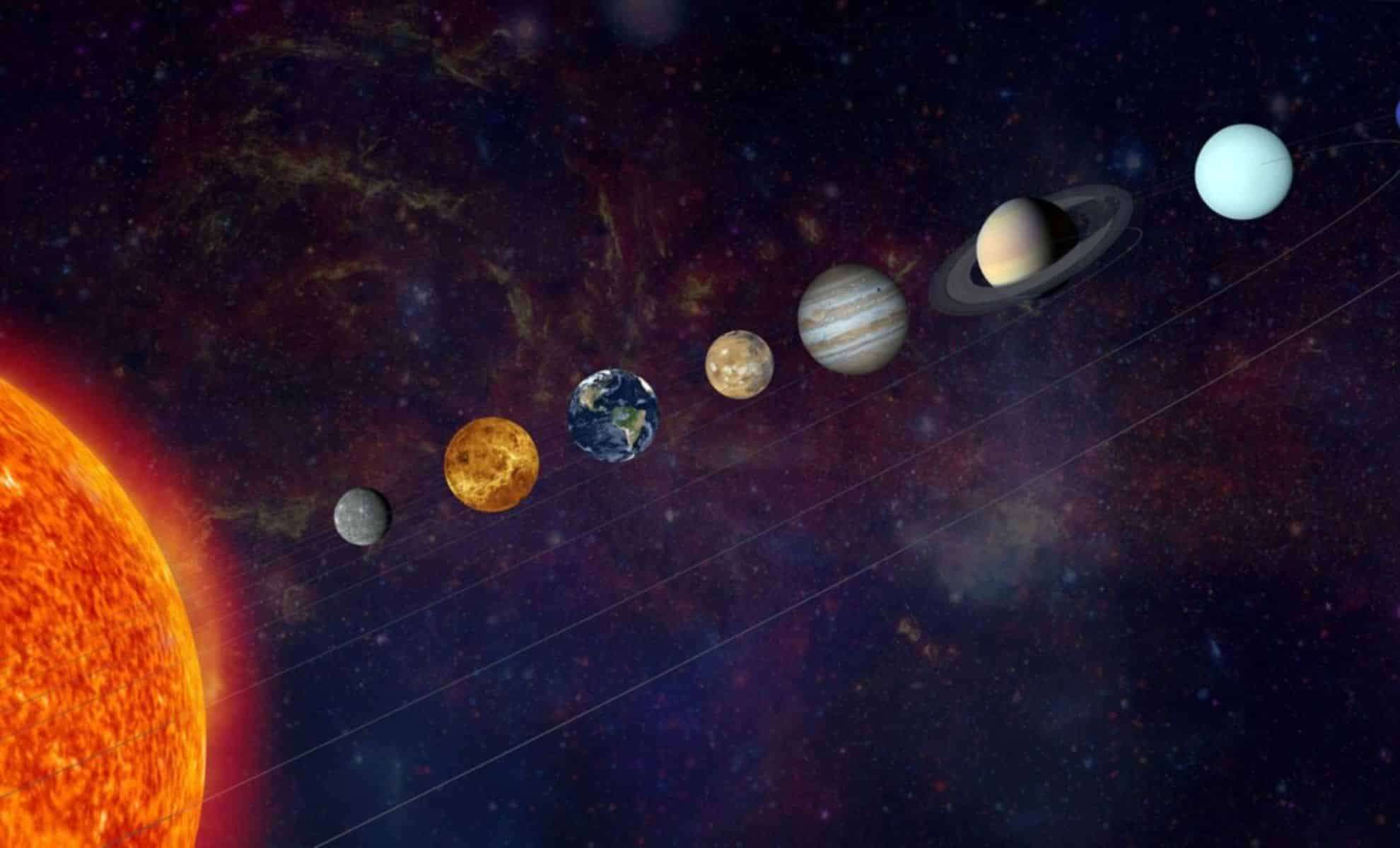
Planetary conjunctions rank among the most breathtaking sights in the night sky. These events occur when several planets cluster visibly close to one another, offering a dazzling panorama from Earth's viewpoint. Such occurrences captivate both astronomy buffs and casual skywatchers alike. If you're eager to catch the next prominent planetary gathering, discover below when and how to best experience this cosmic event.
Defining a Planetary Conjunction
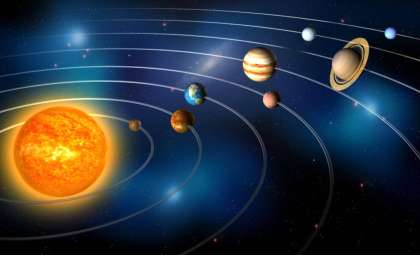
A planetary conjunction takes place when multiple planets in our Solar System seem to line up from Earth’s vantage point. While in three-dimensional space the planets rarely form a perfect line, they can appear grouped within a narrow segment of the sky. This alignment provides a rare chance to observe numerous planets shining together, crafting an impressive celestial assemblage.
Though these gatherings may seem to form a linear pattern across the heavens, the planets are seldom aligned precisely in space. Instead, they cluster on one side of the Sun, producing a striking spectacle visible to those on Earth. Some of these gatherings are perceptible to the unaided eye, while others need binoculars or telescopes to reveal all participants.

Highlights of the 2025 Six-Planet Conjunction
The upcoming 2025 event promises to be extraordinary, with six planets appearing together in the night sky. Among them, four planets will be easily visible without telescopes, while Uranus and Neptune will require optical aids. The lineup includes Mars, Jupiter, Uranus, Neptune, Venus, and Saturn.

Here’s a breakdown of what to look for with each planet during this celestial event:
- Mars: Exhibiting its characteristic reddish hue, Mars will appear in the eastern sky within the Gemini constellation.
- Jupiter: Positioned higher, Jupiter will be found in the Taurus constellation, near bright stars like the Pleiades cluster.
- Uranus: Located in the Aries constellation, Uranus will need binoculars to be seen clearly.
- Neptune: Situated in Pisces, Neptune will be observable only with telescopes or powerful binoculars.
- Venus: The “Evening Star” will beam brightly in the western sky inside the Aquarius constellation.
- Saturn: Though less luminous than Venus, Saturn will also be visible nearby in the same part of the sky.
This rare planetary parade is sure to be a captivating event for seasoned astronomers and novices alike.
Optimal Timing and Viewing Locations
This planetary event will be observable worldwide, though the best date and viewing times differ by region. Typically, the prime viewing window is in the evening shortly after sunset. Conditions will vary depending on the observer’s location and the planets’ arrangement relative to the horizon.
Top Viewing Spots and Dates
To maximize your viewing experience, consider the following locations and their corresponding prime dates when the planets cluster most tightly:
While these cities offer exceptional viewing conditions, the planetary alignment will still be visible in most areas with a clear, dark sky and minimal artificial lighting obstructing the view toward the horizon.
Tips to Enjoy the Planetary Conjunction
Observing this magnificent sky show is simple with modern technology such as the Sky Tonight app. Below are some suggestions to enhance your viewing experience:
How to Prepare for Viewing
- Choose the Right Moment: Start watching about an hour after sunset. The Sky Tonight app can provide precise timings based on your location.
- Leverage the Sky Tonight App: This convenient, free tool identifies planets and other celestial bodies as you point your device at the sky, displaying their labels and relevant information.
- Pick an Ideal Spot: For the clearest view, seek an area away from urban light pollution with an unobstructed horizon line to catch the planets as they align.
Why Planetary Alignments Captivate Us
These events awe observers for several reasons. They are infrequent; seeing multiple planets gathered closely in one portion of the sky does not happen often. Additionally, their striking visual appearance—featuring bright planets shining side by side—makes these occurrences truly special for skywatchers, offering a unique perspective on our planetary neighborhood.
Looking Ahead: Future Planetary Parades
While the January 2025 alignment stands out, more significant planetary groupings loom on the horizon, promising even more exhilarating stargazing experiences.
- February 28, 2025: A grand conjunction involving Saturn, Mercury, Neptune, Venus, Uranus, Jupiter, and Mars.
- August 11, 2025: A prominent morning alignment presenting Mercury, Venus, Jupiter, Uranus, Neptune, and Saturn.
These upcoming alignments will offer stellar opportunities for enthusiasts to witness multiple planets shining together in the night sky.
- Categories:
- Astronomy ,
- News






0 comments
Sign in to Comment