
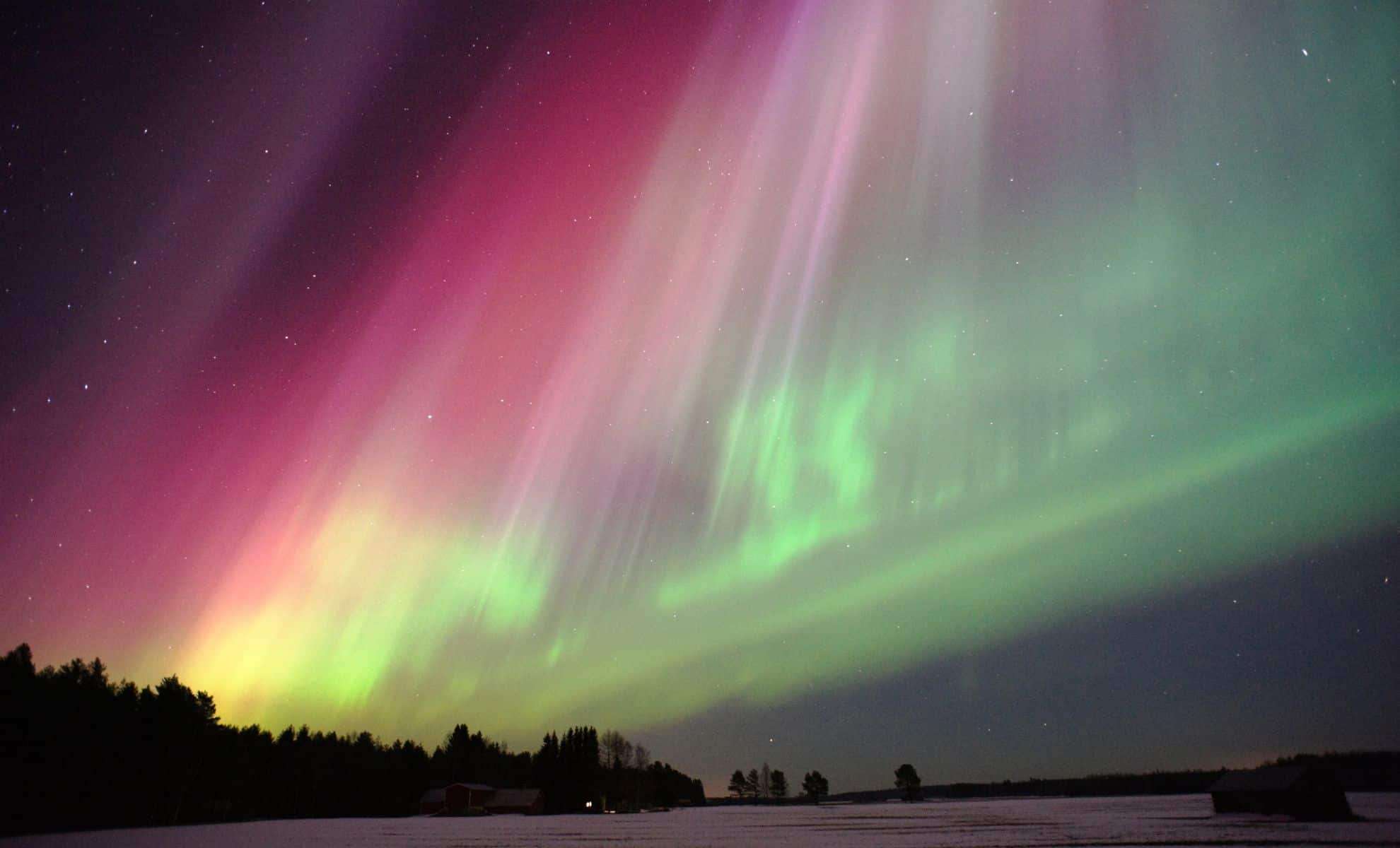
If you've missed the northern lights recently, there's good news—they're set to appear again over the coming days.
Enhanced solar activity is causing vivid auroras to light up the skies across much of the United States, extending far beyond their usual polar boundaries.
How Do Northern Lights Form?
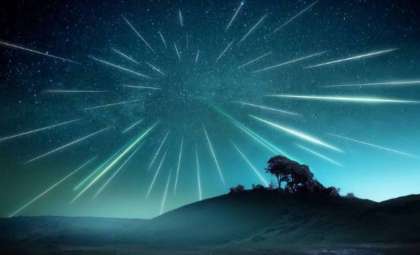
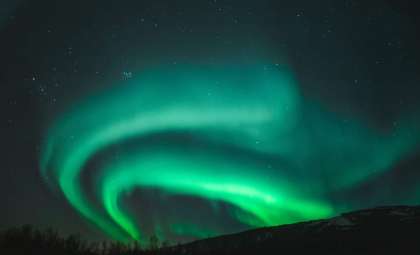
The northern lights occur when charged particles from the sun, carried by the solar wind, interact with Earth’s magnetic field. Upon colliding with atmospheric molecules, these particles emit energy as colorful light displays — ranging from greens and purples to reds and pinks — painting the night sky with dynamic patterns.

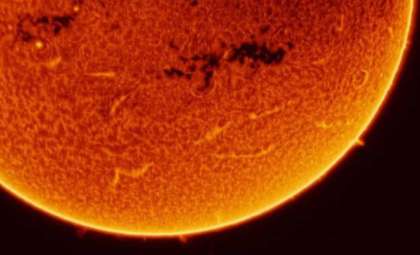
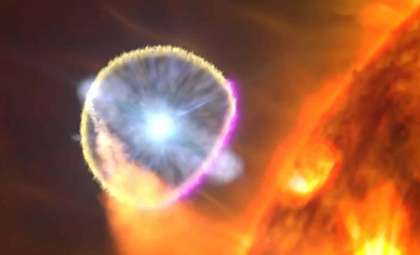
The intensified auroras visible this week stem from stronger geomagnetic storms, driven by solar particles unleashed during powerful coronal mass ejections and solar flares. According to the NOAA, this surge in solar activity has extended the reach of the aurora much farther south than usual.
Best Locations and Times to View the Auroras
While typically seen near the Arctic Circle, this week’s spectacular light shows can be witnessed across much of the northern U.S., with potential sightings as far south as California and Oregon. Optimal viewing requires clear, dark conditions away from urban light pollution.
States likely to experience aurora displays include:
- Maine
- New Hampshire
- Vermont
- New York
- Massachusetts
- Connecticut
- Pennsylvania
- New Jersey
- Michigan
- Wisconsin
- Minnesota
- North Dakota
- South Dakota
- Montana
- Idaho
- Wyoming
- Iowa
- Ohio
- Indiana
- Illinois
- Oregon
- Washington
- California
These areas offer numerous nights for aurora watchers if skies remain clear. Prime viewing hours usually fall between 10 p.m. and 2 a.m., though checking local forecasts will help maximize your chances.
What’s Behind This Week’s Aurora Activity?
The recent surge in geomagnetic storms is attributed to a series of potent solar flares and coronal mass ejections (CMEs). These solar bursts are tied to the sun’s natural 11-year cycle of activity. As the sun reaches an active phase, as it has recently, stronger and more frequent CMEs and flares provoke more vivid auroras internationally.

As Space.com highlighted, “Since August 10, no less than five solar flares have triggered this series of geomagnetic storms.” This activity heightens the chance for people in typically lower latitude regions to witness the northern lights.
Future Auroral Opportunities
If you can’t catch the auroras this week, more opportunities lie ahead. Scientists predict solar activity will remain elevated for several years, expanding the frequency and reach of aurora sightings worldwide.
“The next three or four years, we should see some fine displays of aurora,” said Bob Leamon, solar physicist at University of Maryland Baltimore County and NASA. This active solar period invites a broader audience to experience these breathtaking cosmic shows, especially in regions seldom graced by auroras.
Residents in the forecasted states are encouraged to seek out dark, open spaces over the coming nights to enjoy a memorable celestial spectacle made possible by the sun’s dynamic behavior.
- Categories:
- News





0 comments
Sign in to Comment