
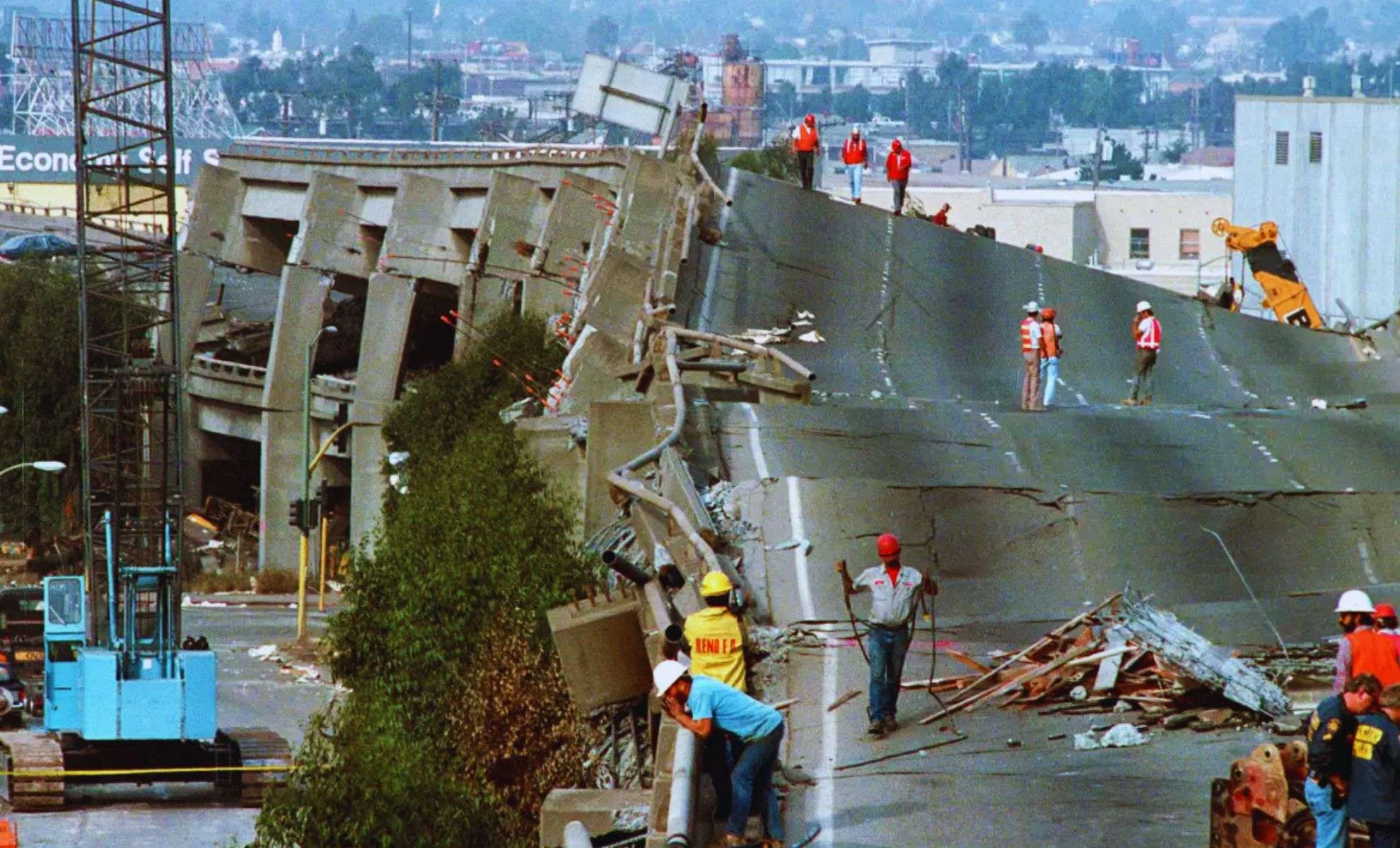
Fresh geological research indicates a stronger interplay between California's San Andreas Fault and the Cascadia Subduction Zone—two of North America's most powerful seismic fault systems—than previously recognized. This connection raises concerns about the possibility of sequential megaquakes striking in rapid succession. Published in the journal Geosphere, the study highlights events such as those around 1700, where these faults may have triggered earthquakes one after another—and might do so again.
Reconstructing the 1700 Earthquake Double Event
The research suggests a colossal magnitude 9 earthquake originating from Cascadia could have precipitated a swift follow-up rupture along the northern San Andreas Fault, potentially occurring within minutes or hours. This scenario complicates California’s seismic hazard outlook and raises urgent questions about preparedness for such sequential disasters.
The 1700 incident is particularly telling. Evidence comes not only from Indigenous oral traditions but also from Japanese tsunami records and geological land subsidence observations that indicate a major seismic rupture off the Pacific Northwest coast. Recognizing that this event may have been immediately succeeded by a San Andreas quake challenges existing regional earthquake models and has important implications for disaster planning and infrastructure resilience.

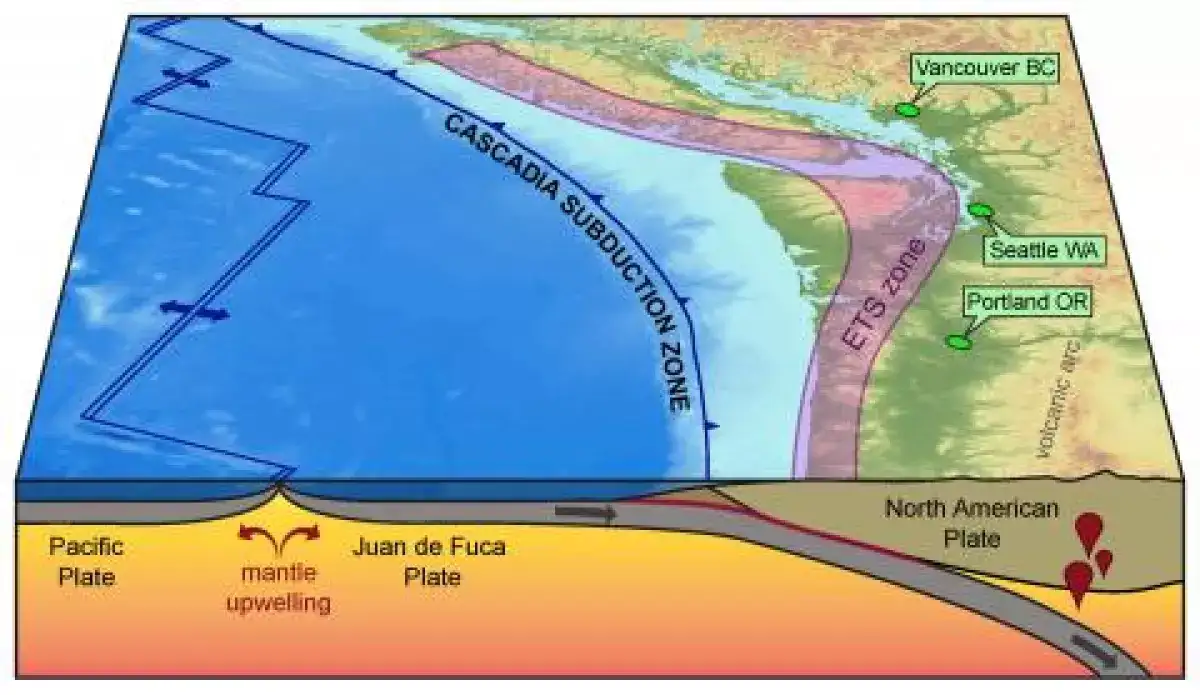
Layered Sediments Uncover Evidence of Sequential Quakes
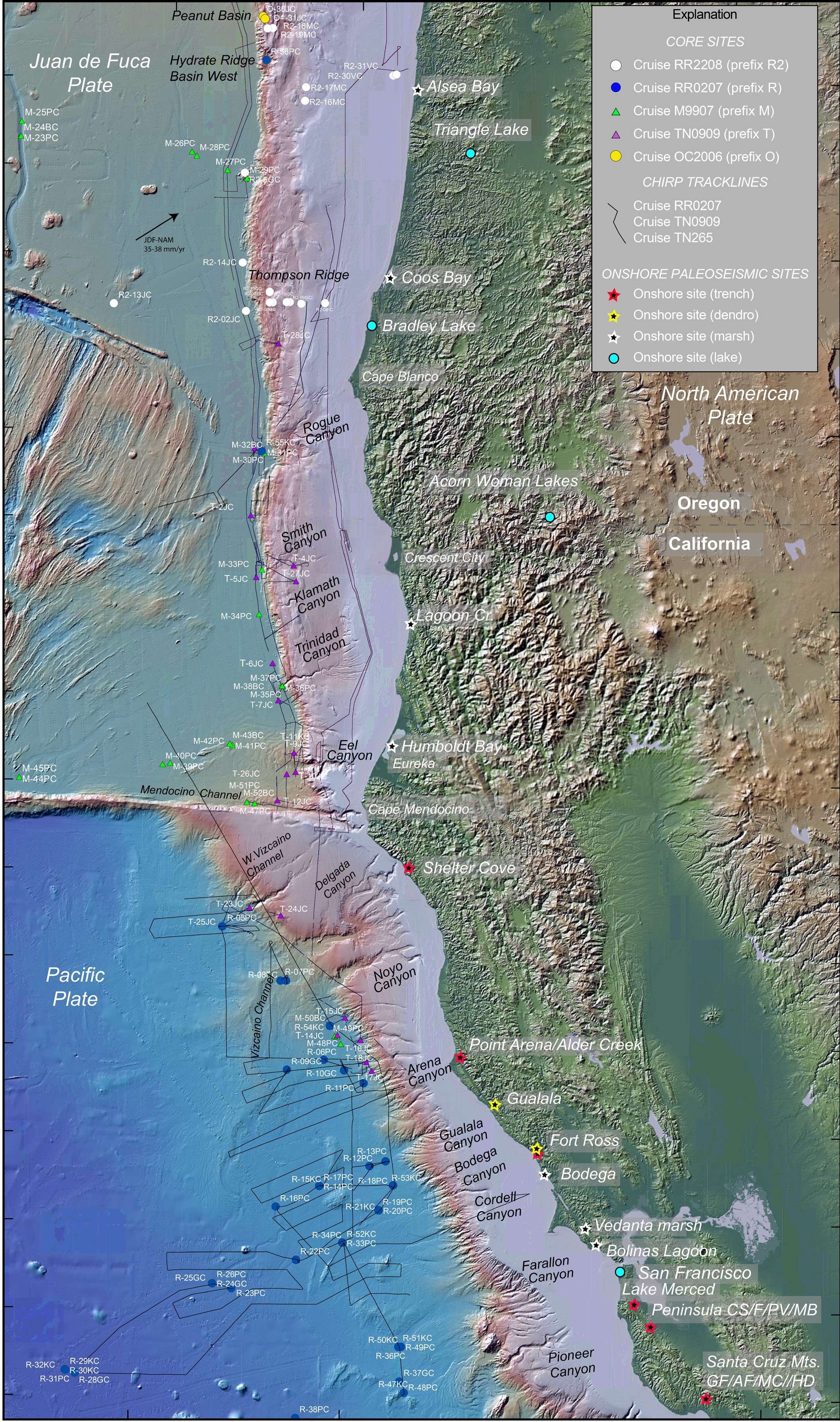
Critical insights came from sediment cores taken near Noyo Canyon on California’s northern coastline. The researchers found an unusual sediment arrangement: fine silts lying beneath coarser sand layers, a pattern contrary to what would be expected from a single underwater landslide triggered by one earthquake.
Chris Goldfinger, a co-author from Oregon State University, explained that milder shaking from the Cascadia quake likely disturbed the finer silt first, with stronger shaking from the closer San Andreas rupture shortly after causing the heavier sands to deposit on top. “Suddenly, it all made sense,” he shared with the Los Angeles Times. This sediment pattern supports the hypothesis of two almost immediate quakes around 1700.
Geological History Reveals Frequent Fault Interactions
Goldfinger notes the 1700 double quake might not be unique. Similar paired events may have happened several times over the last 2,500 years, with notable occurrences between 1425–1475, 1175–1225, and possibly as far back as 475 BC. These patterns indicate recurrent interactions between the two fault systems rather than rare coincidences.
Jason Patton, geologist at the California Geological Survey and co-author, mentions that while the exact timing between fault ruptures remains uncertain—ranging from minutes to days—the 1906 San Francisco quake stands out as the only major San Andreas rupture not apparently triggered by a preceding Cascadia earthquake, based on current sediment and paleoseismic data.
Could Future Quakes Surpass 1906 Devastation?
The direction in which a fault ruptures significantly influences how intensely the ground shakes nearby. The 1906 San Andreas earthquake, moving away from San Francisco, resulted in less severe damage than might occur if a future major event begins farther north.
Findings near Lake Merced, south of San Francisco, reveal evidence of a notable seismic event along the northern San Andreas Fault around 1700, consistent with coastal redwood tree-ring records in the area. According to the Los Angeles Times, should a future fault rupture start near Cape Mendocino with a southward path, the Bay Area could face significantly stronger shaking and destruction than was experienced in 1906.
- Categories:
- News





0 comments
Sign in to Comment