
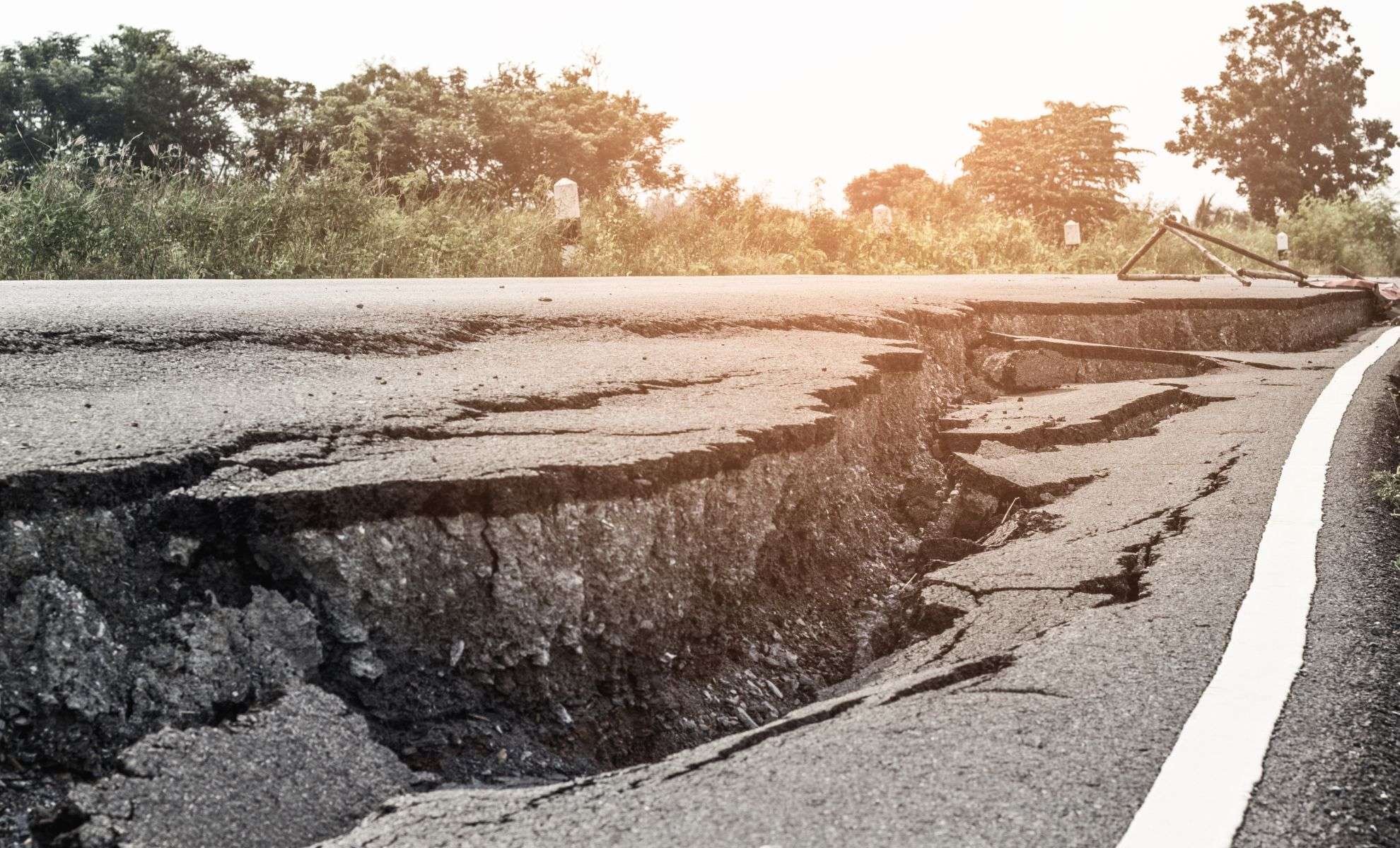
Scientists are turning their focus to an emerging seismic hazard that could greatly impact California. These so-called “supershear” earthquakes are uncommon but extremely powerful quakes that travel faster than standard seismic waves. Due to their speed, they generate more violent ground shaking and affect wider areas compared to typical earthquakes. According to geophysicists publishing in Seismological Research Letters, this phenomenon presents threats that may outpace current preparedness and infrastructure resilience.
When Fault Ruptures Exceed Wave Speeds
Supershear earthquakes rupture fault lines at velocities surpassing seismic shear waves, similar to how a jet creates a sonic boom by moving faster than sound. Researchers cited by SciTechDaily explain that this rapid rupture triggers shock waves in the ground that are substantially more destructive than conventional quake waves.
Ahmed Elbanna, professor and incoming director of the Southern California Earthquake Center (SCEC), likened the event’s rupture to a sonic boom, noting that it “breaks the shear wave speed barrier in the rocks and unleashes shock waves stronger than those from normal earthquakes.” He described these quakes as delivering a “double impact,” where an initial shock wave is closely followed by subsequent seismic energy.

This means affected communities might endure two powerful tremors from a single earthquake. Yehuda Ben-Zion, USC Dornsife professor and SCEC director, cautioned that “the frequency of supershear ruptures has been widely underestimated.”
Potential Danger Along California’s Fault Networks
While California may not experience supershear quakes more often than similar regions globally, its combination of dense urban centers and large strike-slip faults, including the San Andreas, creates significant vulnerability. The study estimates nearly one-third of major strike-slip earthquakes worldwide show supershear characteristics. Ben-Zion emphasized:
“We cannot say exactly when and where the next earthquake will be and which one will be supershear,” but he emphasized with equal certainty that multiple magnitude 7 earthquakes are expected in California over the coming decades. He added starkly, “They are coming, whether we are prepared or not.”
This caution is especially alarming given how many metropolitan areas in the state rest on or near fault zones where tectonic plates slide horizontally against each other—a type of motion conducive to supershear ruptures. The inability to predict which tremors might take this form only adds to the state’s seismic concerns.
Adapting Construction to New Seismic Risks
Experts highlight a critical gap in California’s building regulations, which have yet to fully incorporate the unique forces from supershear quakes. Standard engineering typically prepares for the most intense shaking perpendicular to fault lines, but supershear ruptures deliver energy concentrated along the fault, potentially leaving structures more exposed than current codes allow.
“Important facilities need to be built to withstand these higher demands, but presently, they fall short,” Ben-Zion warned. This leaves key infrastructure like hospitals, bridges, and major roadways vulnerable to devastating collapse during a supershear event.
The researchers advocate for enhanced fault monitoring, advanced computer modeling of supershear scenarios, and urgent updates to building codes that address rapid rupture dynamics. Elbanna called this a collective mission: “Everyone must contribute to this effort.”
- Categories:
- News





0 comments
Sign in to Comment