
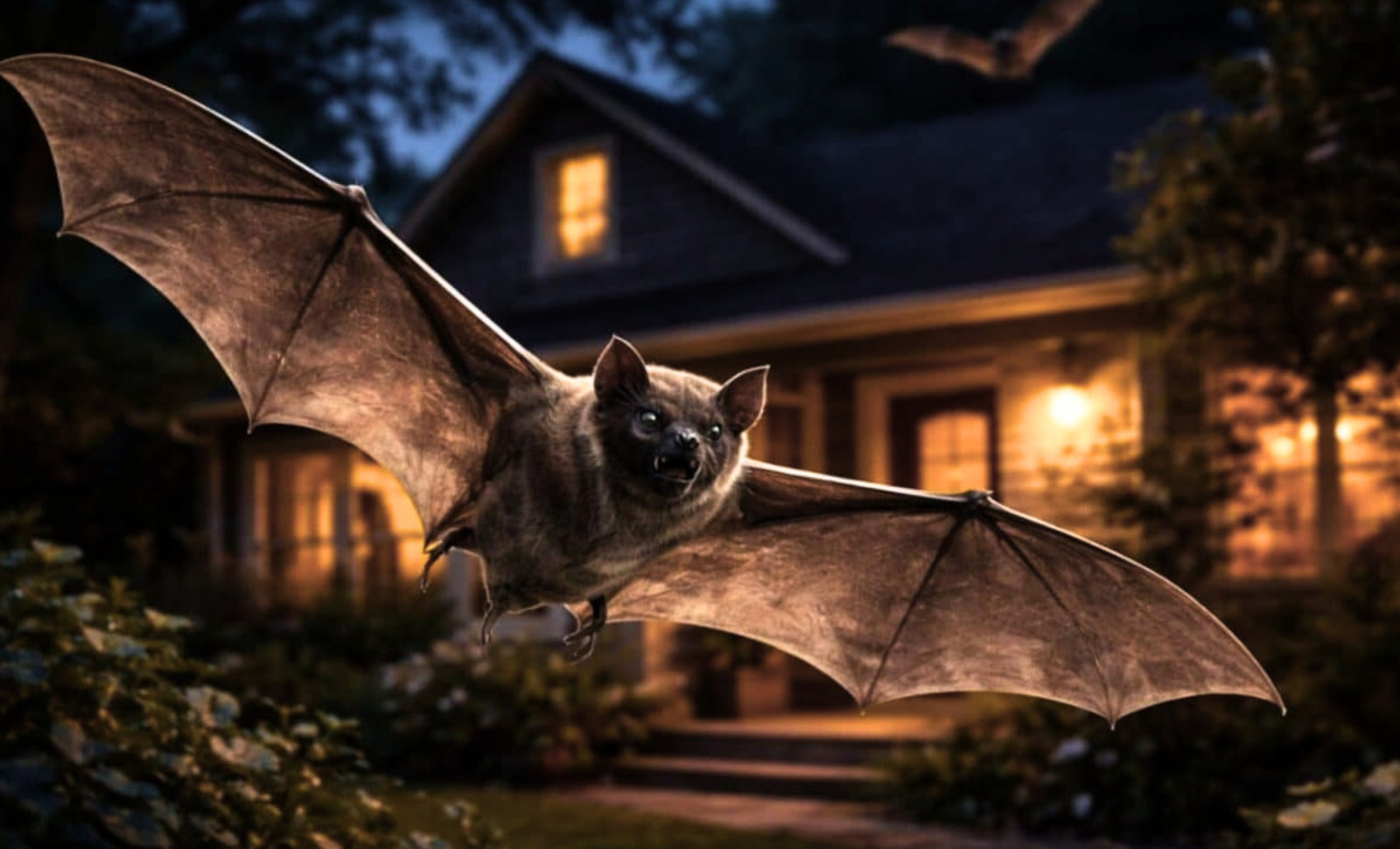
Bats gliding over yards and gardens after dark are typically responding to an abundance of insects, indicating a flourishing local environment and offering valuable natural pest management. These nocturnal hunters often revisit the same locations where insects congregate around vegetation, flowers, and water.
According to the United States Department of Agriculture, individual bats can consume hundreds of insects in a feeding session. The USDA states that bats may eat up to 600 insects per hour, including mosquitoes, moths, beetles, crickets, and leafhoppers.
Many of these insects damage crops or forests or spread diseases affecting humans and animals. Their presence near homes is rarely accidental since most insectivorous bats depend heavily on flying insects and will travel great distances nightly to feed where insects are plentiful.

How Echolocation Gives Bats a Nighttime Hunting Edge
Bats employ echolocation by emitting high-pitched sound waves and interpreting the echoes bouncing back from their surroundings. This remarkable biological sonar enables them to detect tiny insects in total darkness while maneuvering swiftly through trees, gardens, and open spaces. By processing the returning echoes, bats accurately gauge the size, distance, and movement of prey, allowing them to catch small moths without crashing into obstacles.
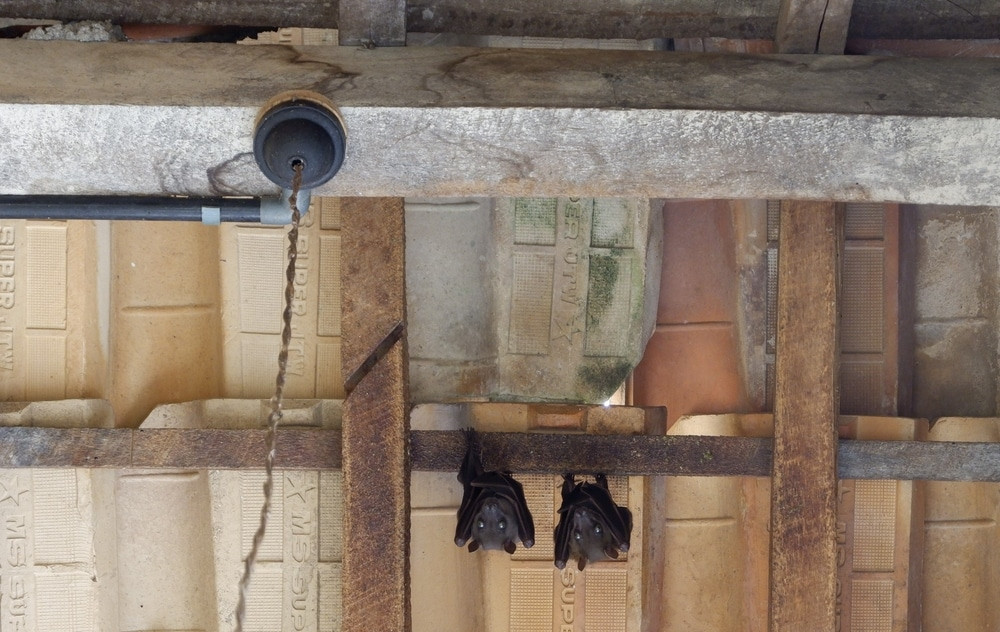
This sensory system also explains why bats tend to avoid human contact. It allows them not only to find the tiniest insects but also to navigate around trees, walls, and even slender wires. As a result, bats typically pass briefly through residential areas while hunting before moving on. Their ability to quickly traverse complicated environments makes them effective, discreet nighttime guests.
Habitats featuring flowers, trees, and small bodies of water often become hotspots for insect activity after dusk, attracting persistent bat foraging.
City Bats Help Control Important Crop Pests
A 2021 research article in PLOS ONE studied five species of insect-eating bats residing in urban buildings in Brazil’s Federal District. Led by Ludmilla M. S. Aguiar from the University of Brasília, the team captured bats and analyzed their feces using DNA metabarcoding to identify their diet. The examined species—Nyctinomops laticaudatus, Cynomops planirostris, Molossus molossus, Eumops perotis, and Histiotus diaphanopterus—all roosted within city structures.
The findings revealed bats consumed 83 arthropod species spanning 10 orders and 61 families. Most identified species were agricultural pests, such as the fall armyworm (Spodoptera frugiperda), a damaging pest of corn and other crops, plus sugarcane and cotton pests. All five bat species ate Spodoptera frugiperda, highlighting consistent predation on this vital pest.
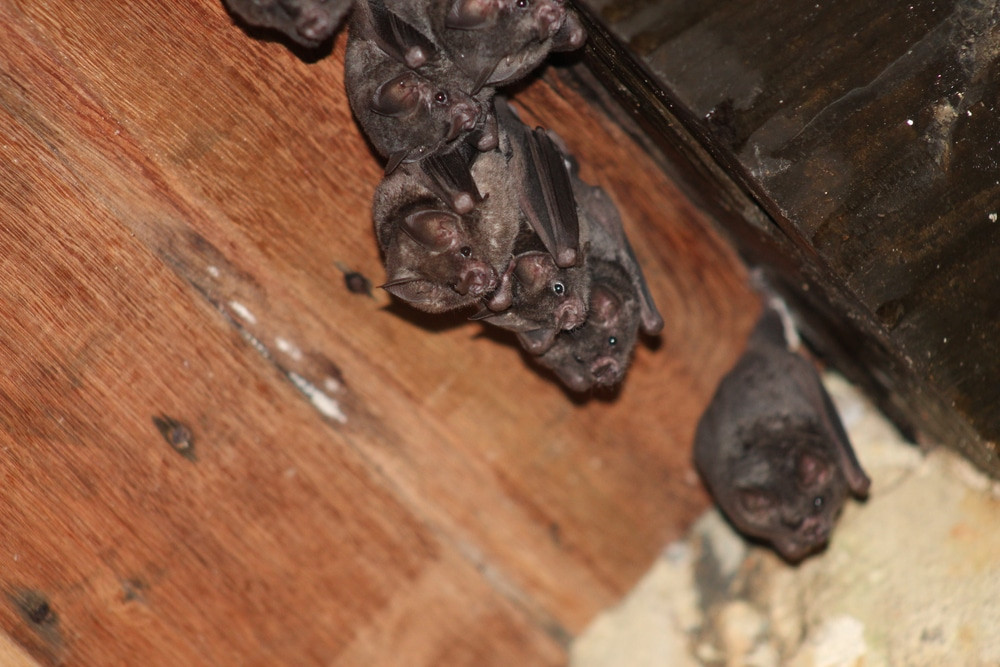
“No matter where they roost, bats provide crucial ecosystem services within cities, significantly impacting agriculture and beyond,” the study authors noted. The analysis estimated that bats reduce crop damage and pesticide costs by roughly US$94 per hectare of corn fields. Across Brazil’s entire corn harvest, this equates to nearly US$390.6 million saved annually.
Rabies Risk in Bats Is Very Low
Despite widespread fears, the USDA reports that fewer than one percent of bats are rabies carriers. Even fewer bats come close to humans, and most bat species feed only on insects or nectar. Bats remain one of the most misunderstood animal groups, with many species endangered. Negative views are often linked to misconceptions about disease and their nighttime activity.
Installing bat houses encourages bats to settle nearby. These structures provide narrow, shaded spaces where bats can rest during daylight hours. The USDA advises mounting bat houses 12 to 15 feet above ground, ideally facing south or southeast to get sunlight, and situating them near water when possible.
However, bats are loyal to their roosts, so it often takes up to two years for a bat house to be occupied. Although only about 15 percent of bat houses are inhabited at any time, placing one in an appropriate spot supports bat conservation. Once a colony establishes itself, bats tend to return year after year.
Bats as Night Pollinators When Bees Rest
While many bats eat insects, some species act as nocturnal pollinators. These nectar-feeding bats visit flowers that bloom after dark, carrying pollen on their fur as they travel between plants. According to the USDA's pollinator program, some plant species have evolved night-blooming flowers with strong aromas and pale colors to attract bats. These flowers produce abundant nectar and are designed to be easily seen in low light.
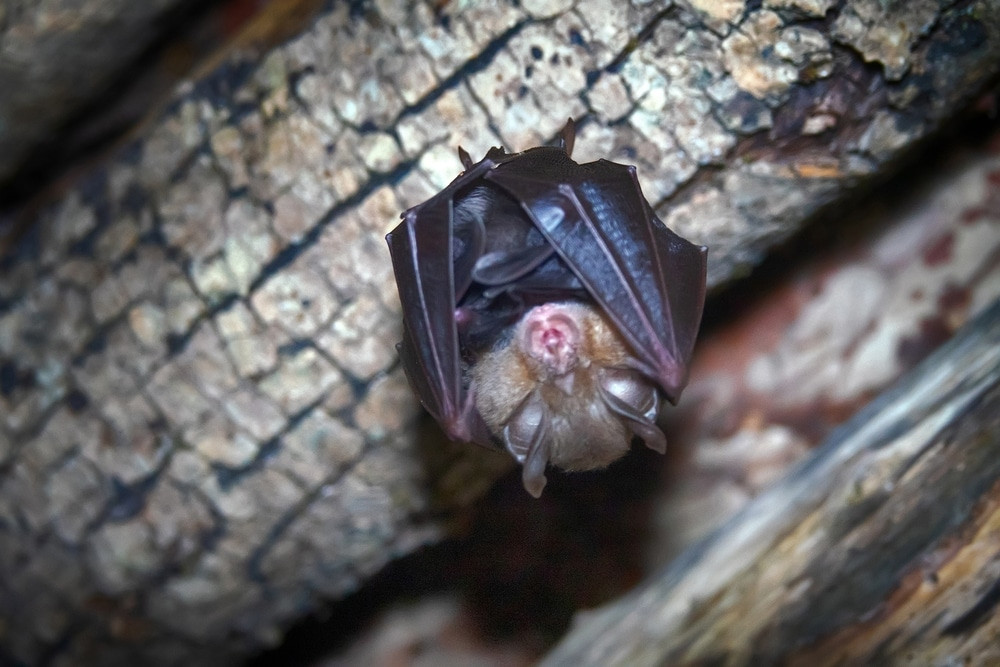
One exemplary case is the agave plant, which opens its flowers after sunset and produces copious nectar to lure bats covering extensive distances. Agave reproduction heavily relies on the pollen spread by nectar-feeding bats in their natural environment.
The vital pollination role bats fulfill often goes unnoticed due to their nocturnal habits. In many ecosystems, they perform similar pollination and seed dispersal functions as bees, butterflies, and birds do during the day. Additionally, bats contribute to forest renewal by spreading seeds that grow new plants and trees.
Flowering Gardens Draw Insect Populations and Attract Bats
Studies reveal that bat activity escalates where insect numbers increase. Gardens rich in diverse flowers, trees, and water sources become hubs for night-flying insects, in turn luring feeding bats. Research shows bats modify their flight paths and linger longer in spots with higher prey density.
Areas with varied vegetation, blooming plants, and water promote larger insect communities, offering reliable hunting grounds for bats traversing the night. This interconnected system underscores how healthy gardens support insects, which attract predators like bats.
The USDA recommends preserving snags and natural habitats or installing bat houses to provide safe roosting sites. Homeowners implementing these measures often report fewer mosquitoes and pest insects around their property. Collectively, bats provide billions of dollars’ worth of pest control annually by simply consuming insects.
- Categories:
- News






0 comments
Sign in to Comment