

In February 2025, a major shakeup at the U.S. Department of Agriculture (USDA) grabbed national attention, as the agency underwent a sharp workforce reduction, cutting around 6,000 positions.
Though layoffs are not uncommon, this particular reduction has sent shockwaves well beyond government circles, threatening critical areas like food security, agriculture, and economic stability. What exactly was lost in this downsizing, and what does it mean for the country?
Loss of Specialized Knowledge: Key Roles Eliminated
As reported by Wired, the USDA's cuts extended beyond general personnel. The agency dismissed many specialized experts, including inspectors, entomologists, and trainers who prepared disease-detecting dogs. These professionals held invaluable experience vital to protecting the nation’s food import system from threats that could decimate crops.

For instance, the National Dog Detection Training Center was responsible for honing the skills of beagles and Labradors trained to spot invasive species like the dangerous Giant African land snail, notorious for damaging Florida’s farming output. A former staffer emphasized how losing even one trained dog and the expertise behind its training could mean failing to detect pests at entry points, leaving farms vulnerable—a reality happening now.
Ports Feeling the Strain: Reduced Inspections and Risks
The scale of goods passing through American ports underscores the importance of USDA’s inspection teams. Major hubs such as Los Angeles and Miami process millions of tons of agricultural products annually. The loss of 6,000 workers, including substantial cuts to the Plant Protection and Quarantine units, has led to immediate disruptions, with some ports seeing inspection capacities decline by up to 35%.
For everyday consumers, this translates to increased vulnerability. With fewer thorough inspections, the chance of contaminated or spoiled food slipping through rises. Dangerous invaders like the Asian longhorn beetle or spotted lanternfly could infiltrate U.S. farms, compounding the fragile food supply chain with severe supply shortages and economic turmoil.
Rising Costs and Scarcer Supplies
The financial consequences of workforce reductions are already evident. Disruptions in supply chains generally push prices upward, and delayed inspections mean food shipments risk rotting during clearance waits. Specialists warn these setbacks will likely cause grocery prices to spike, hitting rural and smaller communities hardest.
Moreover, the delay isn’t limited to food. Shipping containers intended for quick transfers are now stuck waiting longer, intensifying bottlenecks in the global supply network. These delays cascade into other industries, exacerbating the problem.
Legal Challenges and Political Disputes Emerge
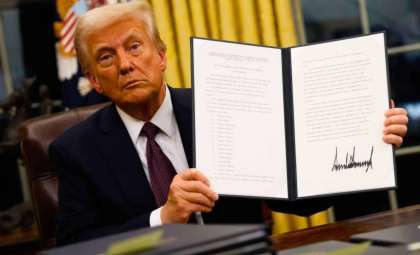
As turmoil endures, several federal court rulings have ordered some laid-off workers to be reinstated. However, the Trump administration has resisted these mandates. White House spokesperson Karoline Leavitt dismissed the rulings as “absurd and unconstitutional.”
The issue now reflects deeper political disagreements alongside practical concerns. USDA employees remain caught in uncertainty about their job status, while the ongoing absence of staff continues to threaten U.S. agriculture.
Looking Ahead: The Future of Agricultural Protection
This episode extends beyond a single government reform, raising critical questions about the security of the nation’s agriculture. With threats from invasive species mounting and food safety jeopardized, the repercussions of these layoffs will stretch far beyond the grocery store.
The challenge lies in balancing governmental efficiency against public safety, a risky act with potentially devastating outcomes. Whether these staff cuts will be reversed or entrenched as a symbol of new government priorities remains uncertain. One fact is clear: the risks are significant and growing.
- Categories:
- News












0 comments
Sign in to Comment