
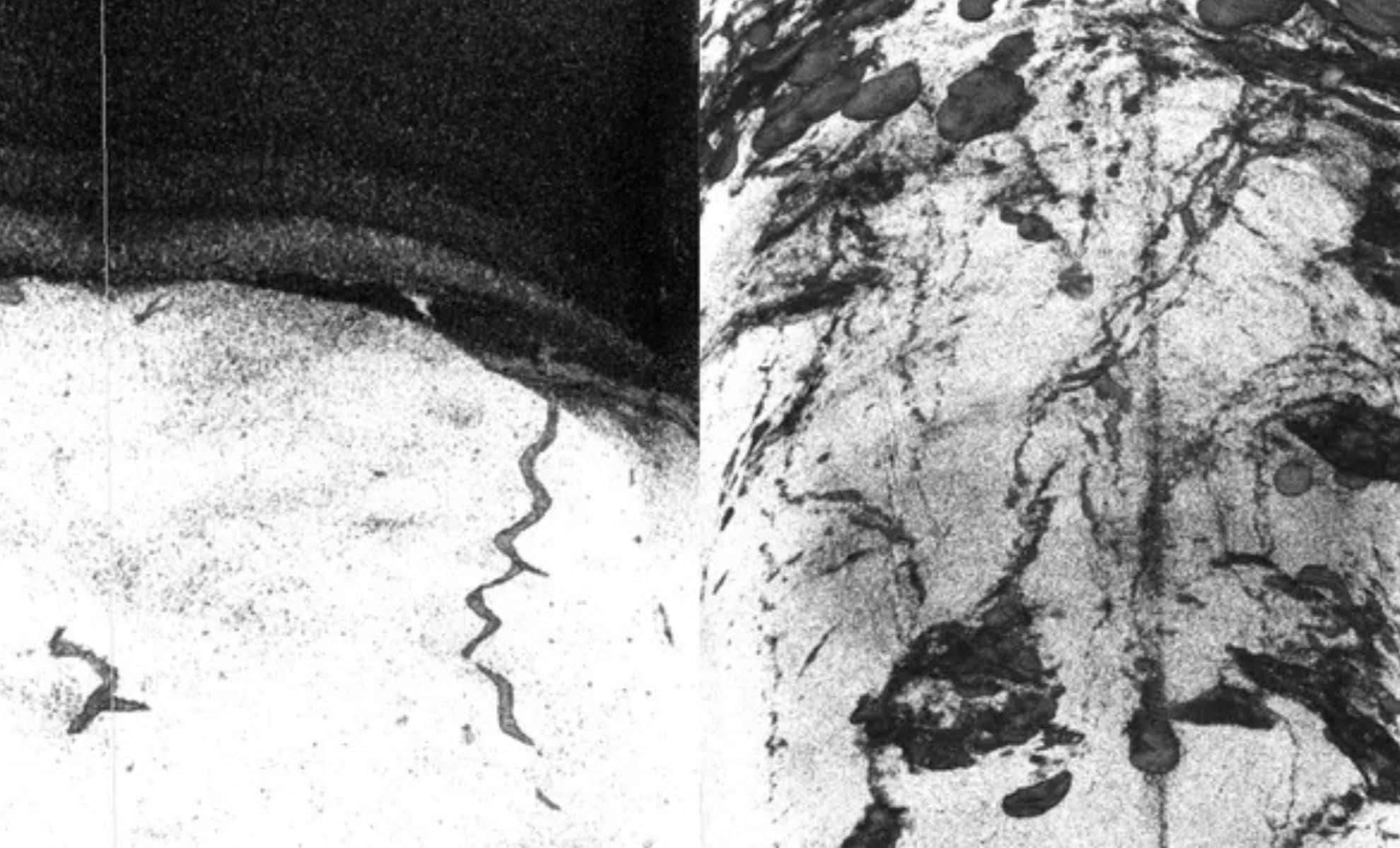
The Japan Trench, a massive geological rift in the Pacific Ring of Fire, plunges nearly five miles beneath the ocean surface. Previously believed to be almost lifeless due to its extreme pressure and conditions, the latest studies using X-ray imaging have uncovered a vibrant ecosystem operating in this remote and forbidding environment. The presence of spiral-shaped burrows and other complex formations within the sediment reveals a surprisingly active community of organisms adapted to this deep-sea realm.
New Research Identifies a Surprising Biodiversity Hotspot
Published on February 18, 2025 in Nature Communications, an innovative research project examined sediment core samples from the Japan Trench near Japan’s eastern coast using sophisticated X-ray scanning methods. The investigation uncovered intricate burrow systems crafted by various deep-ocean organisms, such as worm-like creatures and sea cucumbers. These tunnels extend deeply into the trench’s sediments, demonstrating that life flourishes even under the trench’s extreme conditions.
This work challenges previous assumptions regarding the hadal zone—the marine region between 3.7 and 6.8 miles below the surface—long regarded as nearly lifeless. Contrary to these beliefs, the new evidence indicates that despite intense pressure, frigid temperatures, and limited nourishment, the Japan Trench sustains a diverse and thriving community.

“It is paradoxical that the deepest (hadal) parts of our oceans are more dynamic and support more diverse benthic [bottom-dwelling] communities than the surrounding abyssal plains,” study lead author Jussi Hovikoski and co-author Joonas Virtasalo, affiliated with the Geological Survey of Finland, shared with Live Science. Their insight highlights the unexpected complexity of these extreme ocean habitats.
Deep-Sea Reset: The Cycles Sustaining Life
The Japan Trench experiences frequent turbidity currents, underwater flows packed with sediment that deliver essential nutrients and dissolved oxygen to the depths below. These sediment surges can temporarily lead to that challenge existing life, yet they also initiate a renewal process akin to how forest fires rejuvenate terrestrial ecosystems. Once sediment settles, nutrient-rich environments emerge that quickly attract opportunistic species eager to capitalize on fresh deposits.
Species like sea cucumbers play a crucial role by rapidly colonizing these newly deposited sediments, absorbing nutrients and oxygen before other organisms move in. As resources wane, anaerobic microbes and invertebrates adapted to low-oxygen environments become dominant, creating a repeating cycle of ecosystem destruction and regeneration essential for sustaining life in the ocean’s profound depths.
Redefining Life Limits in the Ocean’s Deepest Zones
Until now, the seabed regions known as abyssal plains, between 1.9 and 3.7 miles deep, were primarily considered the main habitats for deep-sea life. The hadal zone, which includes the ocean’s deepest trenches, was thought too severe for abundant life forms. However, new observations reveal the Japan Trench supports a food web unexpectedly rich and diverse, likely sustained by continuous sediment influx from the surface.
Through detailed X-ray imaging of sediment cores, researchers were able to visualize large burrow networks, some with distinctively corkscrew patterns, indicating active biological engineering by benthic fauna. Moreover, mineral analyses identifying substances like pyrite around these burrows suggest that microbial communities are integral to maintaining these deep-water ecosystems.
- Categories:
- News






0 comments
Sign in to Comment