
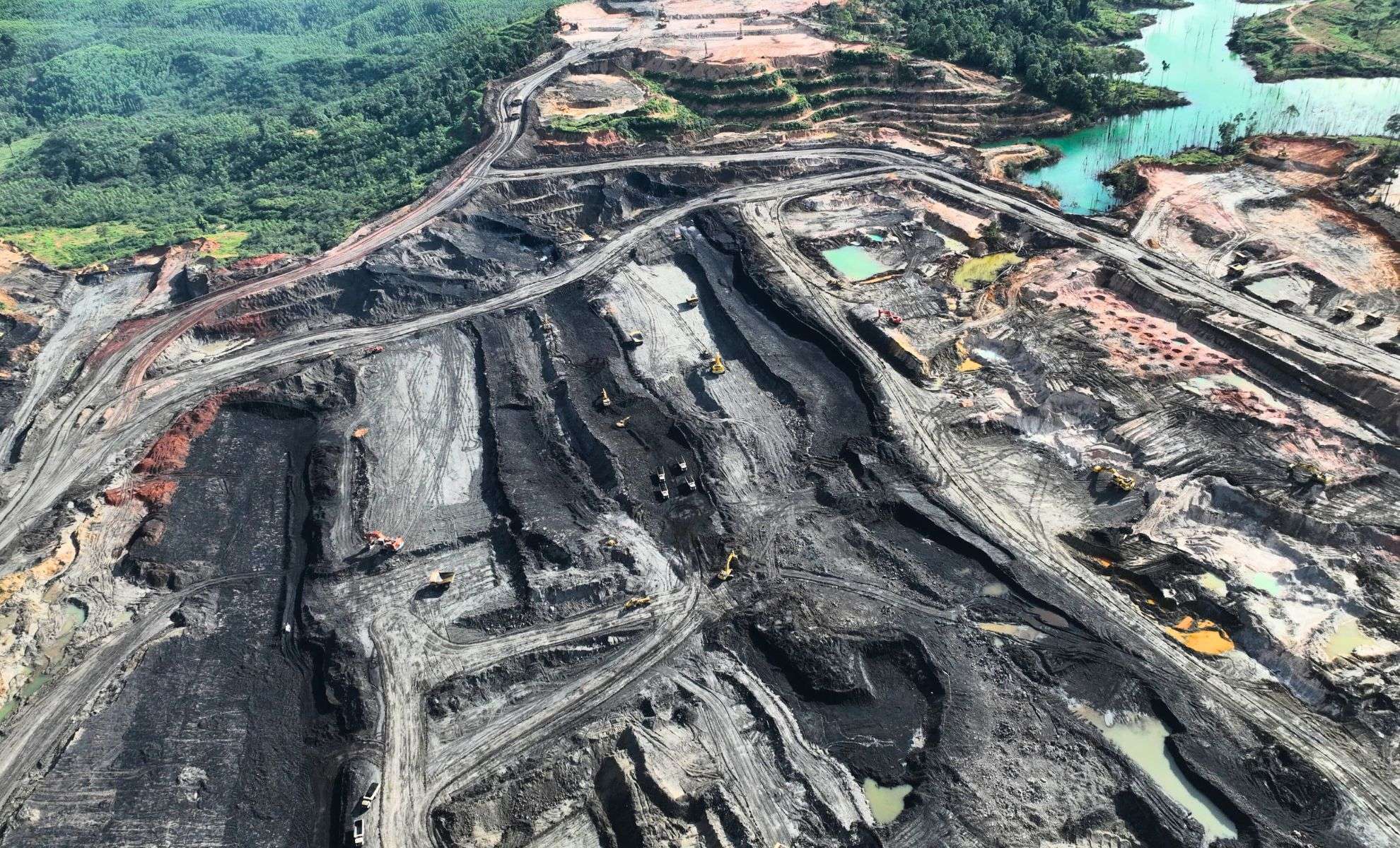
As electric vehicles and renewable energy sources gain momentum worldwide, lithium has emerged as a crucial element powering this transition. A new innovation from Rice University positions the United States prominently in the competition for cleaner, locally sourced lithium by introducing an advanced method to derive high-quality lithium from natural brine deposits.
Shifting the Global Lithium Landscape
The demand for lithium in the United States is surging rapidly. In 2023, imports topped 3,400 tons, with about 60% processed in China. This heavy reliance has raised concerns among energy strategists and automotive manufacturers. Securing domestic lithium supplies is critical for both energy sovereignty and economic resilience.
Conventional extraction techniques from mineral deposits or brines tend to be energy-intensive and environmentally damaging, struggling to meet the booming demand for batteries that power everything from electric vehicles to large-scale renewable energy installations.

Rice University's Novel Electrochemical Reactor: Efficient and Scalable
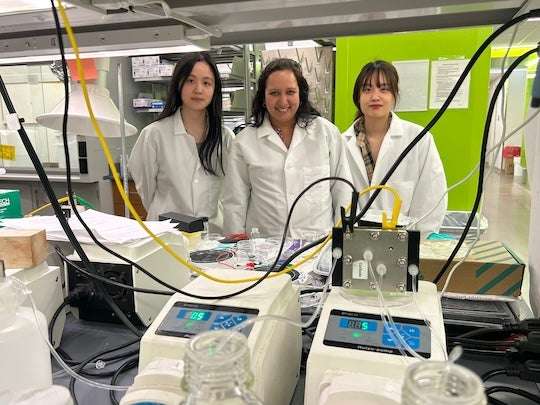
A cutting-edge electrochemical reactor invented at Rice University by chemical engineers Sibani Lisa Biswal and Haotian Wang promises to transform lithium extraction. Published in the Proceedings of the National Academy of Sciences, this technology yields lithium from geothermal brines at an impressive purity of 97.5% — matching the quality battery manufacturers urgently need.
This system diverges from traditional evaporation ponds and chemical extraction by employing a three-chamber setup that uses a specialized lithium-ion conductive glass ceramic (LICGC) membrane. This membrane selectively permits lithium ions while blocking sodium, potassium, and other impurities, eliminating the release of harmful chlorine gas and dramatically reducing unwanted chemical by-products.

“Our design focuses on lowering by-product creation and enhancing lithium selectivity,” explains Yuge Feng, lead author of the study. Such improvements are essential for expanding clean battery supply chains.
Challenges Ahead and Potential Solutions
While promising, the technology faces hurdles, such as the accumulation of sodium ions on the membrane, which can impede lithium transfer and increase energy consumption. The research team is actively exploring modifications, including current adjustments and surface treatments, to maintain optimal performance.
Addressing these issues successfully could empower U.S. enterprises to utilize regional brine reserves—such as those found in California and Nevada’s geothermal fields—without relying on complex foreign supply chains or generating environmentally damaging waste.
Implications for the Global Energy Landscape
This advancement extends beyond improved extraction—it has the potential to reshape lithium supply chains worldwide. Widespread deployment could significantly curtail U.S. dependence on Chinese lithium refining, enhancing the resilience and competitiveness of American battery manufacturing.
Monitoring the progress from research to commercial application will be vital. Given the expanding demand for batteries, this method’s ability to deliver sustainable, efficient lithium extraction could influence vehicle costs, energy policies, and international market dynamics in the years ahead.
- Categories:
- News










0 comments
Sign in to Comment