

Researchers have developed an innovative technique to monitor water's movement through the atmosphere by examining something often overlooked: the elemental composition of water molecules. These unique signatures imprinted within water molecules stand to revolutionize our grasp of weather dynamics and extreme climatic events.
By analyzing nuanced variations in water isotopes, scientists can now trace the path of individual water droplets worldwide, marking a significant advance for climate prediction models.
Decoding the Isotopic Blueprint of Water
Water molecules, composed of hydrogen and oxygen, exist in variants known as isotopes that are heavier than their common counterparts. These isotopes serve as distinctive markers, shifting in predictable ways as water evaporates, circulates through the atmosphere, and returns to Earth as precipitation. This subtle characteristic provides researchers with an insightful method to determine the origin and trajectory of water.

“Changes in water isotopes reflect shifts in moisture transport, convergence, and large-scale atmospheric circulation. Although we know, at a simple level, that isotopes are affected by temperature, precipitation and altitude, the variability of current model simulations makes it difficult to interpret the results,” statedthe Professor Kei Yoshimura, the lead author of the study.
Experts from the University of Tokyo suggest that the isotopic signatures in water provide a novel means to track water's global journey. This method holds promise to significantly enhance forecasts of severe weather such as storms, flooding, and drought conditions.
Enhancing Climate Forecast Accuracy
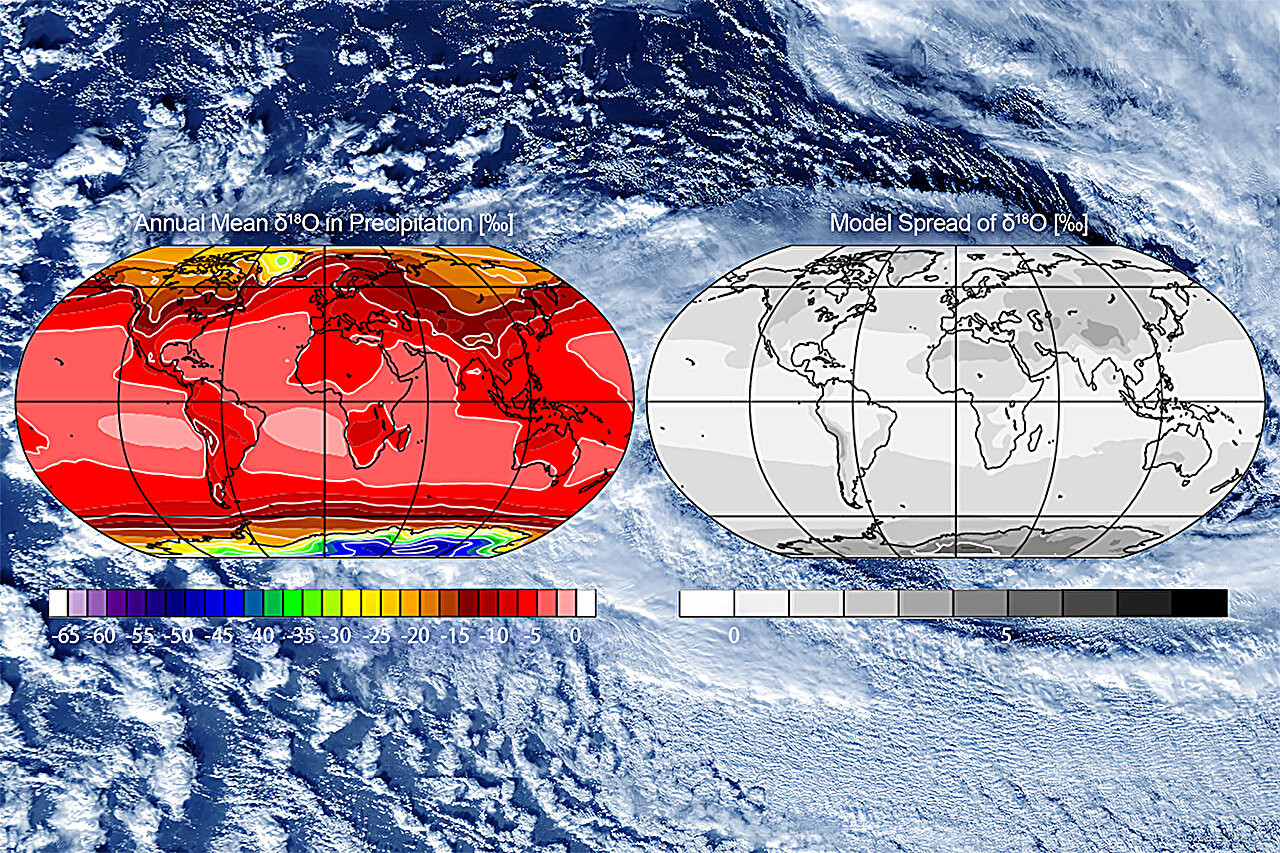
In the research featured in the Journal of Geophysical Research: Atmospheres, scientists employed a suite of eight separate climate models rather than a single one, synthesizing their outputs to produce more dependable insights into water's atmospheric behavior.
“Ensembles offer a nuanced modeling approach that reduces divergence between individual models,” said Dr. Hayoung Bong, postdoctoral fellow at the NASA Goddard Institute for Space Studies (GISS).
The team evaluated model performance over a 45-year span starting from 1979. Comparing both individual results and ensemble averages, researchers achieved improved precision in predicting isotope distributions in the atmosphere. As Yoshimura remarked:
“We are delighted that our ensemble mean values capture the isotope patterns observed in global precipitation, vapor, snow, and satellite data much more successfully than any of the individual models.”
Water's Key Role in Climate Dynamics
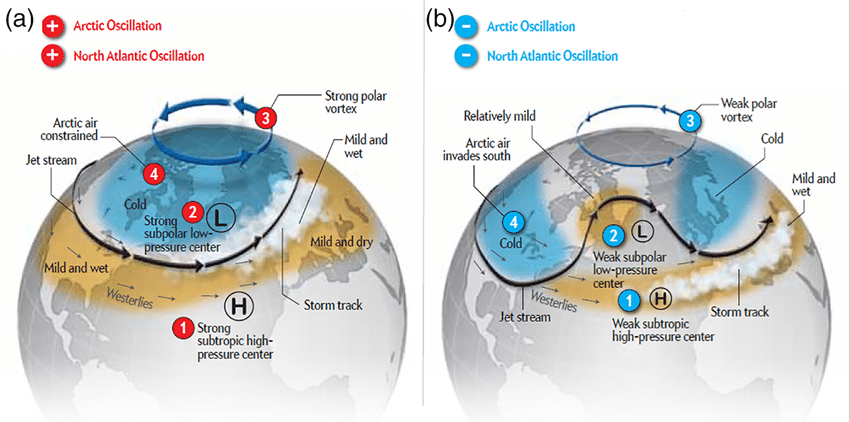
The investigation also revealed strong connections between isotopes and significant climate phenomena, including the El Niño-Southern Oscillation, North Atlantic Oscillation, and Southern Annular Mode. These large-scale systems influence weather by interacting closely with atmospheric water transport.
Analyzing data from the last three decades, researchers observed a clear rise in atmospheric water vapor, consistent with global warming trends. Their models underscore how these climate systems and water availability interrelate, emphasizing the growing impact of climate change. This advancement streamlines forecasting of how Earth’s climate might react to ongoing environmental shifts.
- Categories:
- Science












0 comments
Sign in to Comment