
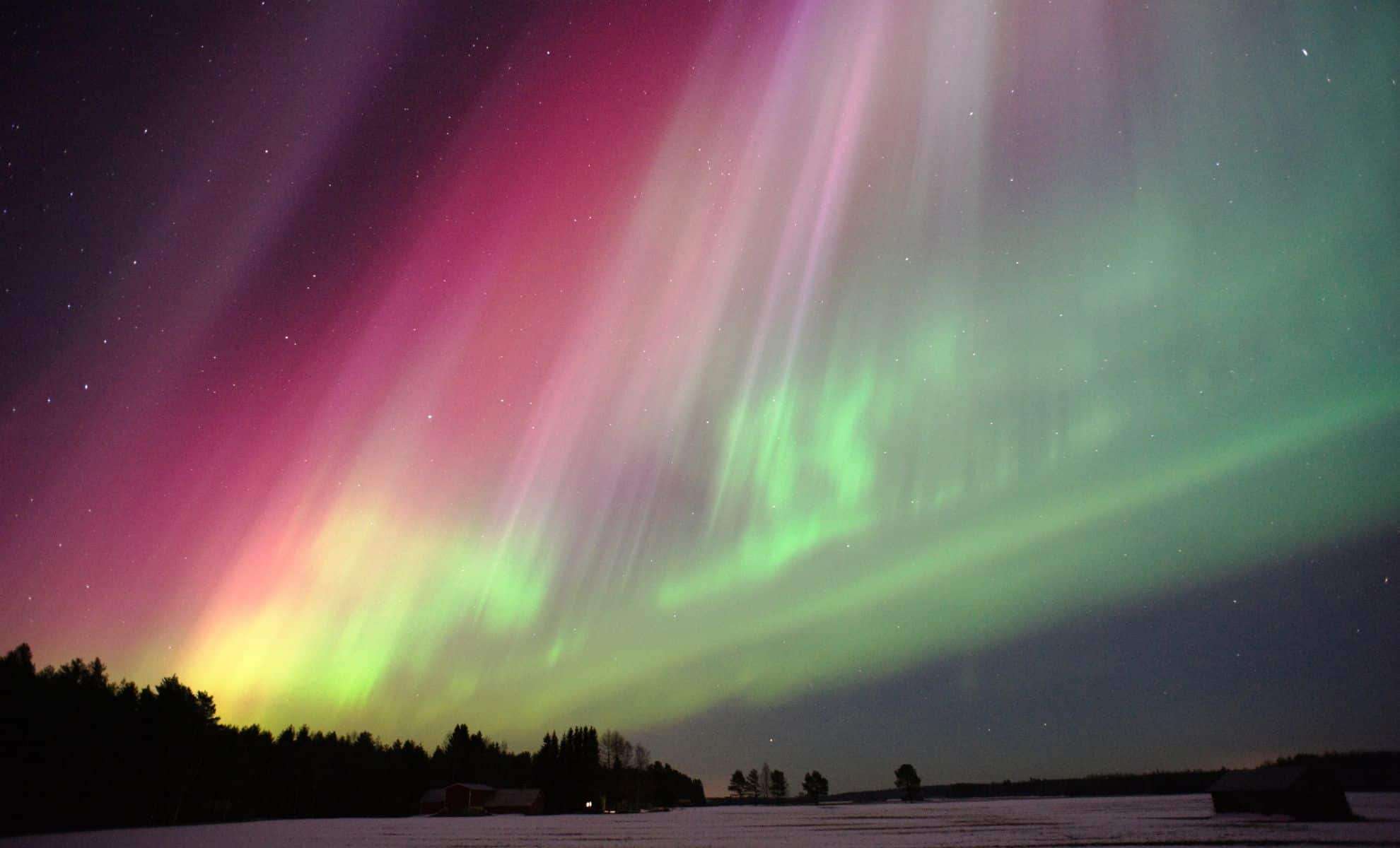
Scientists have achieved a breakthrough in forecasting solar storms, phenomena that not only disrupt technology but also create breathtaking auroras.
This new technique promises to advance space weather prediction and mitigate the impacts of intense solar activity.
Decoding Solar Storms and Coronal Mass Ejections
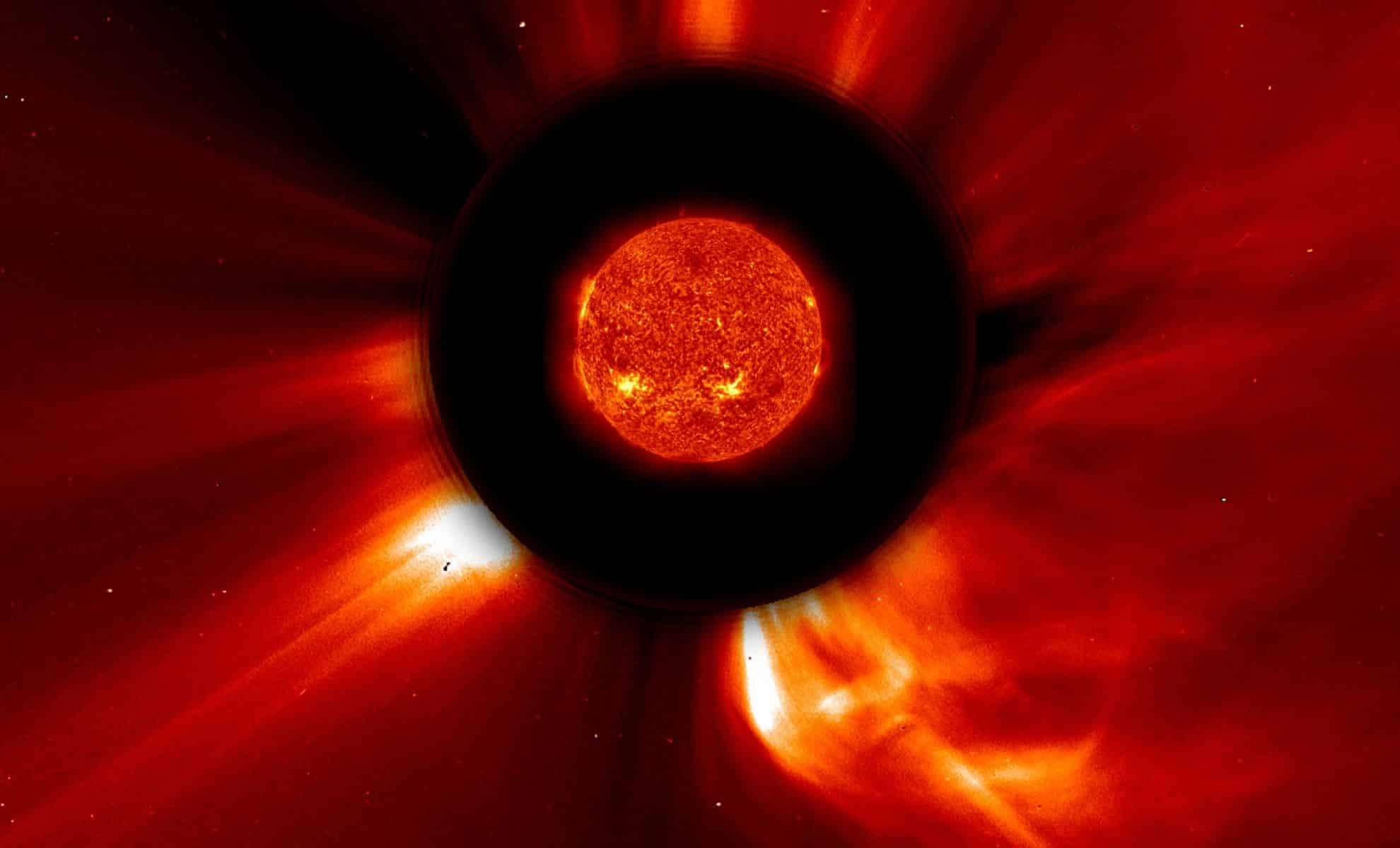
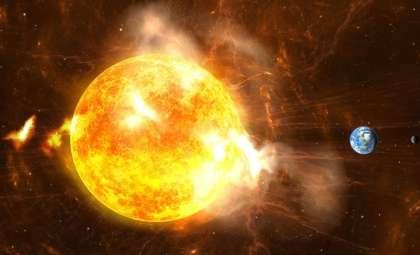
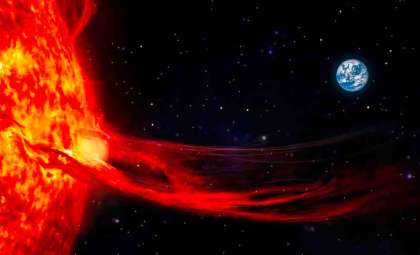
Solar storms, especially coronal mass ejections (CMEs), involve massive eruptions of solar wind and magnetic fields expelled from the sun’s corona into space. These powerful events can disturb Earth’s magnetosphere, triggering geomagnetic storms that interfere with electrical grids, communication systems, and satellites. CMEs stand out for their intensity because they release vast quantities of plasma and magnetic fields from the sun.

A memorable instance of this occurred on May 10, when a global geomagnetic storm triggered dazzling auroras visible as far south as Arizona and Florida. This storm was caused by several CMEs traveling at varying speeds and combining before hitting Earth, demonstrating the challenge of predicting these complex phenomena.
Innovative CME Speed Prediction Technique
Aberystwyth University researchers have introduced a novel approach to anticipate the velocity of CMEs prior to their eruption from the sun. Revealed at the Royal Astronomical Society’s National Astronomy Meeting, this method improves forecasts for the timing of geomagnetic storms. Lead scientist Dr. Harshita Gandhi explained, “By observing how the magnetic field strength diminishes with altitude, we determine a critical height.”
The critical height marks where the magnetic field loses stability, triggering a CME. Estimating this height enables scientists to forecast the expected CME speed and its arrival time at Earth. Gandhi remarked, “This approach lets us predict the CME’s speed and arrival before the eruption is complete.”
Protecting Technological Systems from Solar Events
Accurate timing and intensity forecasts of CMEs are vital for shielding critical technology. CMEs can provoke severe geomagnetic storms that cause power failures, harm satellites, and disrupt communication. Enhanced prediction models allow for improved preparation and defensive measures.
Dr. Alfredo Carpineti highlighted the significance of this innovation: “Being able to foresee these events is key to preventing technological damage.” As the sun nears its 11-year solar peak, or solar maximum, the probability and intensity of solar storms rise, increasing the importance of precise forecasting.
Better prediction of CMEs will advance space weather forecasting, essential for our technology-driven world. Continuous solar observation by global space agencies is crucial to apply these new models effectively. Dr. Gandhi’s team aims to further refine forecasts by including magnetic field strength data.
Anticipating Spectacular Auroral Shows
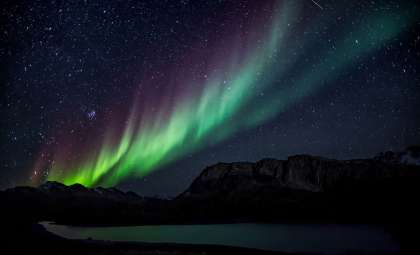
Beyond technological impacts, geomagnetic storms from CMEs spark captivating auroras — the northern and southern lights. These occur when solar particles collide with Earth’s atmosphere, igniting vivid light displays.
Improved space weather forecasts will enable enthusiasts to better predict the timing and location of auroras. Apps like My Aurora Forecast & Alerts, AuroraWatchUK, and online services such as the Aurora – 30 Minute Forecast from the Space Weather Prediction Center provide real-time aurora updates. Best viewing typically requires dark, clear skies near polar regions.
Dr. Gandhi described the phenomenon: “Charged particles guided by magnetic fields toward the poles collide with the atmosphere, producing striking auroras.” For optimum viewing, late nights and spots free of light pollution are recommended. Tools like Dark Sky Place finders or light pollution maps can help locate ideal sites.
Advancements in predicting solar storms not only protect infrastructure but also enrich our experience of the northern lights. Ongoing research promises greater accuracy in space weather forecasts, marrying safety with wonder.
Dr. Gandhi shared these insights at the Royal Astronomical Society’s National Astronomy Meeting in Hull, UK, emphasizing the critical role of continuous enhancement in space weather science. This work is poised to deepen our grasp of solar dynamics and their terrestrial effects.
- Categories:
- Astronomy ,
- News ,
- Science ,
- Space







0 comments
Sign in to Comment