
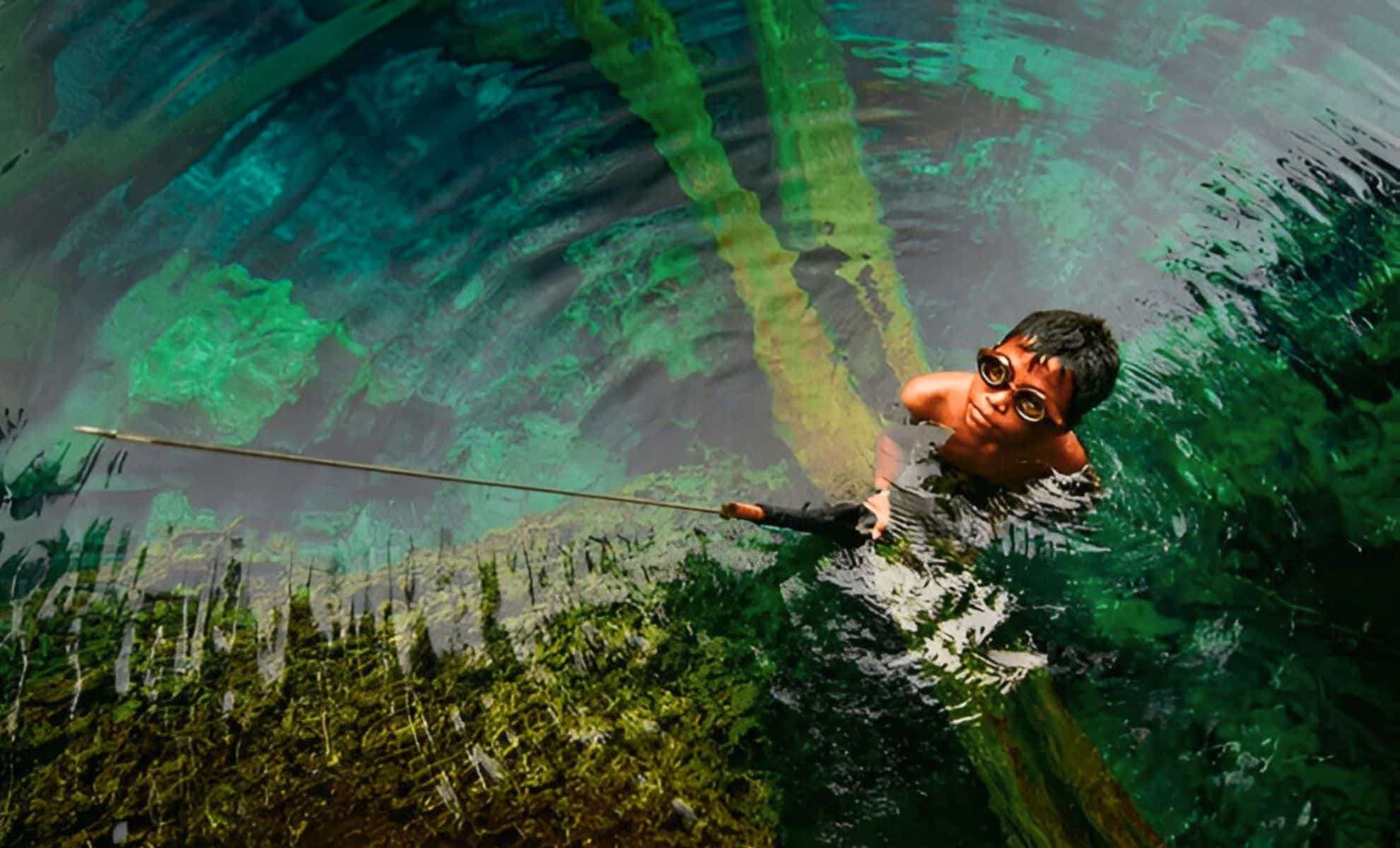
The Bajau, an Indonesian community residing in stilt houses on the ocean, have developed remarkable breath-hold diving skills that allow them to reach incredible ocean depths. Their prowess isn’t just a product of experience but is linked to a distinctive genetic mutation known as the “sea nomad gene”. This mutation results in an enlarged spleen, which grants them the ability to stay submerged much longer than typical humans.
Unmatched Freediving Talent in the Open Sea
Members of the Bajau can dive down to 70 meters holding their breath, equipped only with traditional stone weights and handcrafted wooden goggles. Central to their extraordinary breathing capacity is the spleen. During dives, the spleen contracts, releasing extra red blood cells into circulation, boosting oxygen supply. This mechanism allows them to remain underwater for minutes at a time without surfacing for air.
Melissa Ilardo, a scientist at the University of Cambridge, reports that the Bajau spend up to eight hours daily diving, often holding their breath for several consecutive minutes at great depths. This ability isn’t solely from consistent practice but stems largely from a genetic adaptation affecting thyroid hormone production, which in turn leads to their spleen enlargement.

Notable Bajau Diving Features:
- Maximum Depth: Capable of reaching depths of 70 meters unaided.
- Duration of Dives: Can hold breath underwater for up to 13 minutes.
- Time Underwater Daily: Up to eight hours each day spent diving.

Biological Parallels with Marine Mammals
The adaptation observed in the Bajau resembles that found in marine creatures such as Weddell seals, which can remain submerged for extended periods due to oversized oxygen-storing organs. These marine mammals also possess enlarged spleens that facilitate oxygen retention during dives. The connection between the Bajau and seals involves elevated thyroid hormone levels, which foster spleen enlargement and improve breath-holding capacity.
Research led by Ilardo reveals that the Bajau have significantly elevated thyroid hormone concentrations, explaining their unique spleen size and superior apnea performance. This insight underscores a remarkable example of human adaptation to extreme ecosystems.
The Threats Endangering Their Traditional Lifestyle
The traditional lifestyle of the Bajau faces increasing challenges. Their reliance on age-old fishing practices conflicts with the rise of commercial fishing industries and economic pressures from modernization. Furthermore, difficulties arising from their stateless status hinder their access to resources and legal protections.
Major obstacles confronting the Bajau include:
- Commercial Fishing: Overfishing leading to dwindling fish stocks in their habitats.
- Statelessness: Limited access to healthcare, education, and basic governmental services.
- Cultural Decline: The risk of losing traditional knowledge passed through generations.
Without safeguarding their cultural and biological heritage, the Bajau risk losing their extraordinary adaptations alongside their unique way of life. Social, economic, and environmental pressures threaten to erase an ancient human skill linked to survival in the ocean's depths.
More than a captivating culture, the Bajau represent a striking case of human evolution tailored to extreme aquatic environments. Preserving their genetic legacy is critical in the face of mounting external threats.










0 comments
Sign in to Comment