
The cosmos stretches endlessly, filled with enigmas and secrets that humanity has strived to comprehend for generations. Despite tremendous strides in astrophysics, some puzzles endure, casting a shadow over our understanding.
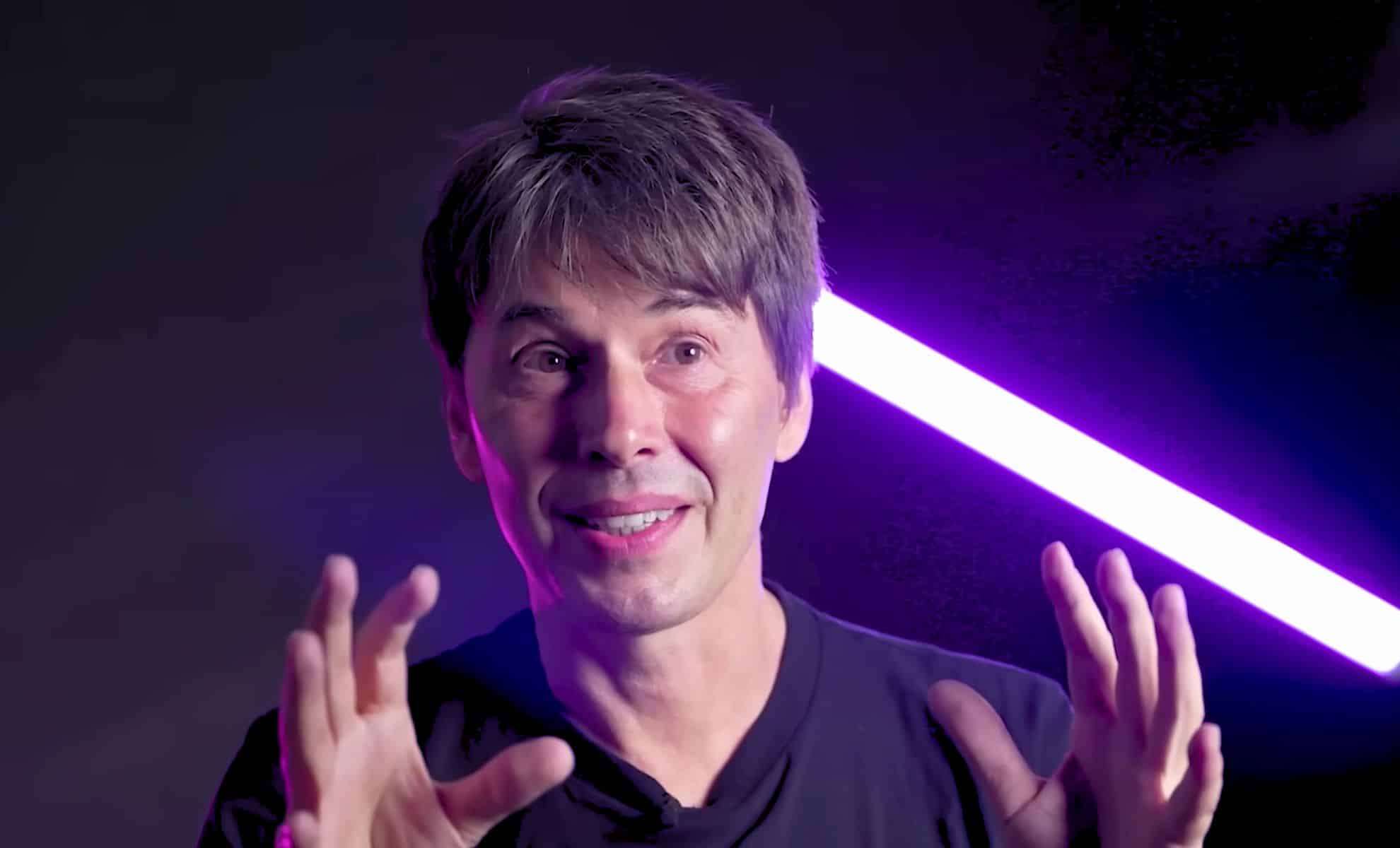
Forget fears like black holes or extraterrestrial invasions—Professor Brian Cox reveals the true cosmic conundrum that haunts his thoughts after dark.
The Profound Concern About Extraterrestrial Life
When questioned about the chance of uncovering alien life, the esteemed physicist shared a poignant cosmic worry that stays with him.

“I would be delighted if we found life elsewhere because I feel it would take some of the pressure off,” Cox admitted in a BBC Earth Science video.
Then came the unsettling truth:
“My fear, the thing that keeps me awake at night, is that life is extremely rare in the universe and complex life is so rare that we might be the only planet in the Milky Way where complex life exists currently.”
Consider that: the vast Milky Way, home to between 100 and 400 billion stars, might harbor no other complex life forms besides those on Earth.

The Fermi Paradox and the Enigma of Silence
Cox's worries echo a long-standing cosmic puzzle known as the Fermi Paradox, which contrasts the likelihood of alien civilizations with the puzzling absence of their signs.
Delving deeper, Cox has proposed that intelligent species may tend to destroy themselves before establishing contact across the stars. His characteristic wit surfaces when he speculates about humanity's potential fate:
“I’m increasingly of the view that the reason for The Great Silence is that civilizations are inevitably crushed by the weight of n**heads shortly after inventing the internet.”
Holding onto Hope for Alien Encounter
Yet Cox holds onto optimism about finding extraterrestrial beings. He even humorously remarked that spotting a flying saucer during one of his interviews would bring a sense of relief.
“Thank God that it’s not only down to us now, because you know, we’re not making a very good job of it,” he quipped.
His point: if complex life is scarce, humanity's responsibility to the cosmos is monumental, and perhaps we haven't yet risen to that challenge.
Is Earth Truly Alone?
As the quest to detect life beyond our planet continues, Cox’s unsettling suspicion remains: despite the universe’s vastness, it may be overwhelmingly desolate.
With tools like the James Webb Space Telescope, advances in studying exoplanets, and planned exploratory missions, we may soon edge closer to the truth. Until then, both scientists and dreamers alike may find themselves pondering this cosmic silence deep into the night.
- Categories:
- Science









0 comments
Sign in to Comment