
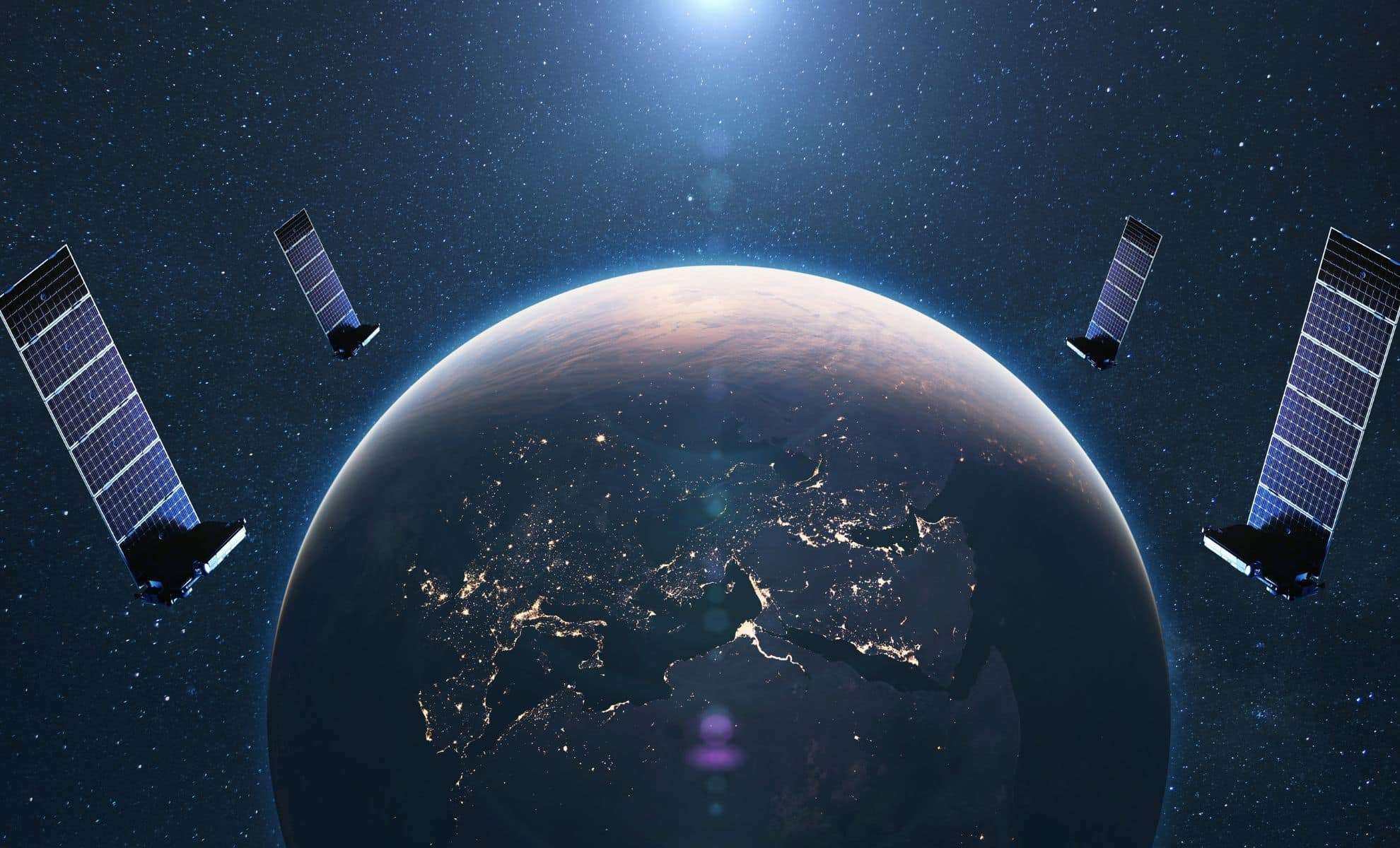
Solar energy gathered from orbit could soon dominate Europe's renewable power supply, new research from King’s College London reveals. The study, published in Joule, suggests that space-based solar power (SBSP) might cut Europe’s dependence on terrestrial renewable sources by up to 80% by mid-century, potentially revolutionizing clean energy generation and distribution across the continent.
Orbital Solar Energy Set to Accelerate Europe’s Net-zero Ambitions
Detailed modeling across 33 European countries highlights the transformative impact of SBSP on the future electricity network. Incorporating NASA’s orbital solar power concept into the simulations, the researchers found that it could decrease total power system expenses by as much as 15%, translating into annual savings around €35.9 billion. These cost reductions encompass generation, battery storage, and grid enhancements.
By utilizing satellites to capture uninterrupted sunlight, SBSP could shrink the continent’s battery storage needs by over two-thirds, a key benefit given the challenges of storing energy during periods of low solar output. Unlike ground-based solar panels, these spaceborne arrays bypass weather, nightfall, and other terrestrial disturbances.

NASA’s RD1 Satellite: A Cornerstone of Space Solar Power
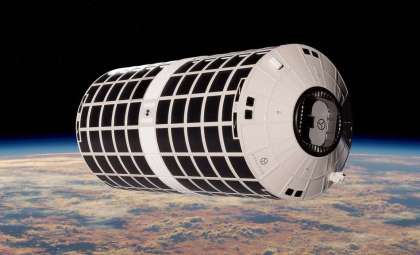
Central to this approach is the NASA RD1 satellite, which employs heliostat-like mirrors to focus sunlight onto onboard solar cells. The collected energy is then transmitted wirelessly to ground facilities, where it’s converted into electricity for integration into local grids. This elevated position above Earth’s atmosphere enables constant, intense solar energy gathering—something impossible for land-based systems.
This investigation represents the first comprehensive cost assessment of SBSP designed specifically for Europe’s energy market and models its potential role within a unified continental grid. The findings underscore SBSP’s capacity to become a fundamental element in Europe's transition to clean energy.
Europe Positioned for a Collaborative Solar Space Network
Thanks to a well-established framework of cross-border energy exchange and cooperative space initiatives through the European Space Agency, Europe is uniquely equipped to implement joint investments in orbital solar infrastructure. The research suggests that a centrally managed satellite-based system could stabilize power supply at a continental scale and reduce reliance on volatile natural gas markets.
Dr. Wei He, senior engineering lecturer at King’s College London and lead author, stressed, “While this technology remains under evaluation, our results highlight its enormous economic and environmental promise if realized.” He added that meeting 2050 net-zero goals demands not only terrestrial renewables but also innovative platforms—such as those harnessing space-based energy.
Several countries are already advancing in this arena. Japan has begun integrating SBSP into its climate and energy agendas, providing a potential blueprint for Europe’s future efforts.
Challenges in Space Must Be Overcome
The study’s authors caution that key challenges remain. The current models do not include risks unique to space operations like orbital congestion, collision hazards, or fluctuations in transmission signals, all of which could affect SBSP systems’ reliability and efficiency.
Financial hurdles also persist. At present, establishing such infrastructure would be costly. Nevertheless, breakthroughs in space manufacturing and launch capabilities could render SBSP economically feasible around 2050, aligning well with Europe’s clean energy timeline.
Dr. He emphasized, “Space-based solar power represents a renewable energy source capable of delivering continuous electricity.” For nations seeking dependable, scalable alternatives to fossil fuels, the solution might soon lie in solar power beamed down from space.
- Categories:
- News









0 comments
Sign in to Comment