
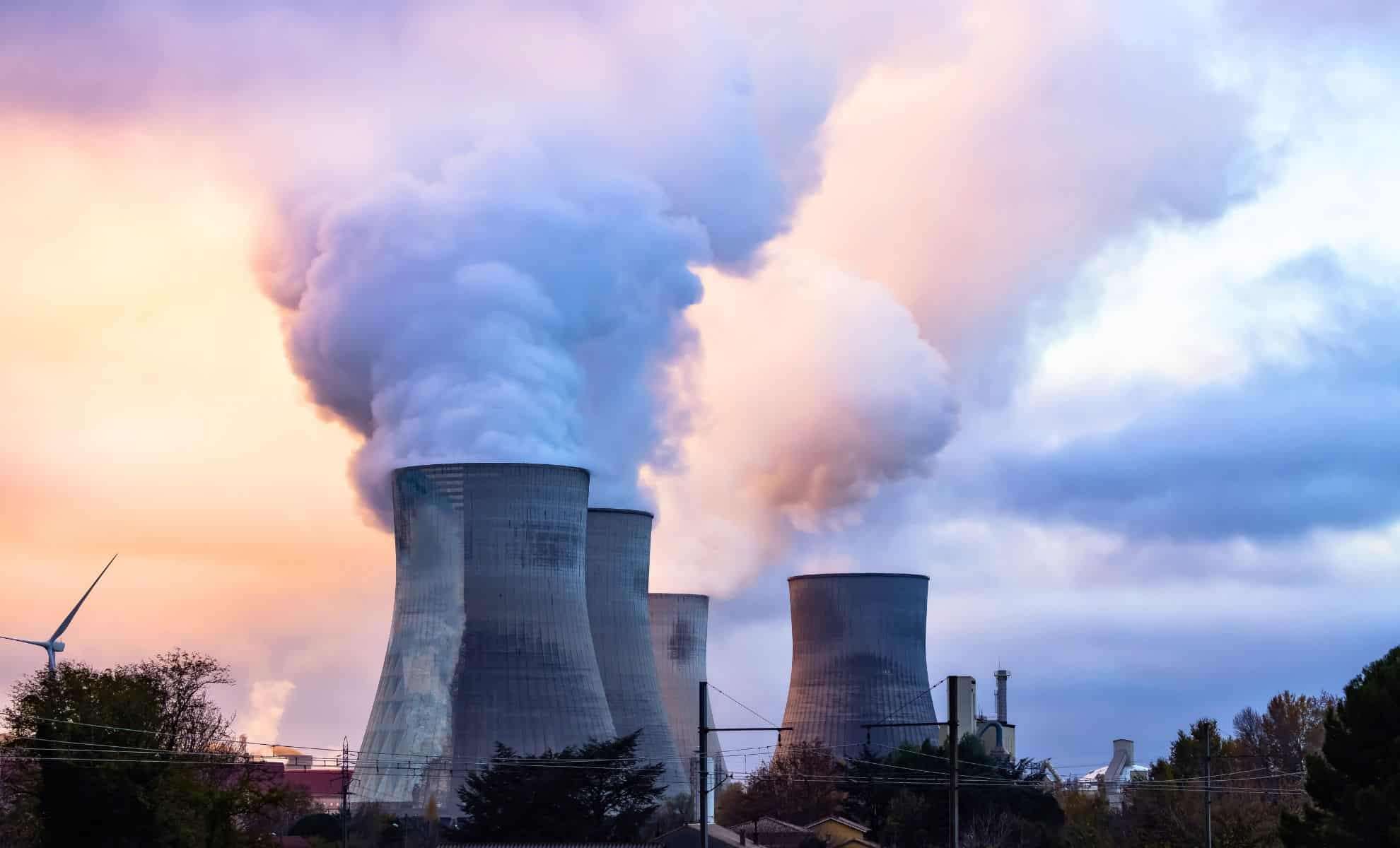
Amidst evolving challenges in energy reliability, nuclear power is witnessing a notable resurgence across Europe. The conflict in Ukraine combined with urgent climate objectives to cut carbon emissions has prompted numerous European nations to revise their previous dismissals of nuclear energy. What was once largely phased out or outlawed is now being positioned as essential for securing stable energy and fulfilling environmental pledges.
Belgium Sets a New Direction
As reported by EuroNews, Belgium stands out for its dramatic policy reversal. On May 15, 2025, the country’s parliament annulled a 2003 law mandating the phase-out of nuclear energy. This decision paves the way for reintegrating nuclear power into Belgium’s energy mix and possibly constructing new reactors. The shift is rooted in the conviction that nuclear energy is vital for achieving Europe’s climate ambitions while stabilizing energy costs and lowering dependency on imported fossil fuels like natural gas.
Belgium’s Energy Minister Mathieu Bihet, a key advocate for this change, highlighted nuclear power’s role in bolstering the country’s energy security. He remarked, “Being a low-carbon source, nuclear energy helps us meet our European climate commitments, besides offering a plentiful supply.” Bihet’s perspective reflects a growing European consensus on the necessity of nuclear energy for a cleaner and more sovereign energy future.

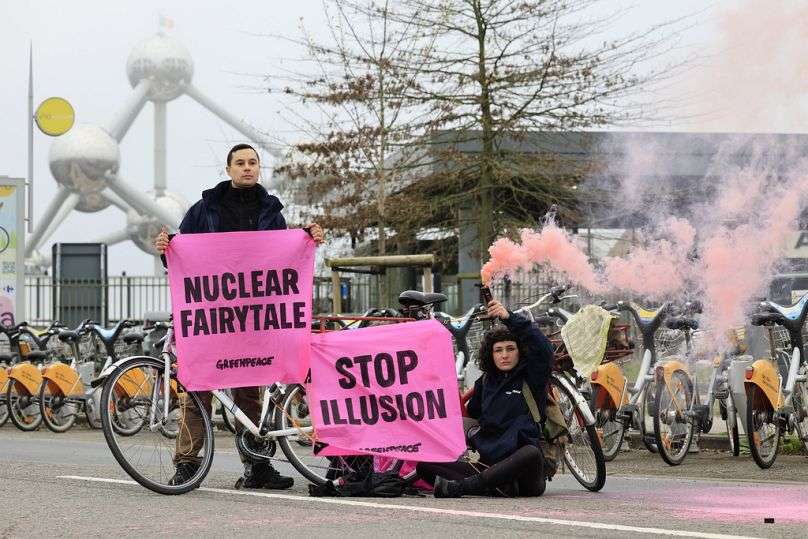
Italy’s Nuclear Energy Resurgence
Following decades of rejecting nuclear power in the wake of the Chernobyl catastrophe, Italy is making a significant pivot. The administration under Prime Minister Giorgia Meloni announced in early 2025 ambitious plans to restore nuclear power by 2030. This move reflects Italy’s broader ambitions to secure energy independence and advance decarbonization efforts.
The country’s Energy Security Minister has noted that reintroducing nuclear energy may alleviate soaring electricity costs, a burden that intensified amid escalating regional tensions from the Ukraine conflict. Nonetheless, experts caution it will likely take a decade or more before Italy’s nuclear infrastructure becomes fully operational.
Poland’s Commitment to Nuclear
Heavily dependent on coal for electricity production, Poland is actively transitioning toward nuclear power. The government committed in 2022 to establishing its inaugural nuclear facility, with its first reactor expected to be operational by 2033. This strategic shift aims to curb carbon emissions and gradually diminish coal use, which currently accounts for nearly 63% of the nation’s electricity generation.
This policy change also intends to reduce Poland’s reliance on Russian natural gas and align with European climate initiatives. Unlike countries such as Germany that have moved away from nuclear, Poland considers it essential for reaching energy sovereignty. Authorities envision constructing three nuclear plants, each housing three reactors, targeting approximately 30% of national electricity output from nuclear sources once completed.
Sweden and the Broader Continental Transition
Sweden has likewise embraced nuclear power anew. In May 2025, legislators approved funding for advanced reactors, signaling a marked advancement in the nation’s energy policy. The renewed focus on nuclear energy supports Sweden’s dual objectives of energy security and climate action. The technology, long debated within Sweden, has gained renewed traction amid the combined need to reduce carbon emissions and stabilize electricity prices.
Additionally, other European nations such as Denmark, which has banned nuclear power for over 40 years, are reconsidering their stance. The Danish government is exploring emerging nuclear innovations, including small modular reactors, with hopes of addressing longstanding safety and waste concerns.
- Categories:
- News







0 comments
Sign in to Comment