
New insights are emerging that suggest the foundation for predicting a person's lifespan is established even before birth.
Researchers at the University of Adelaide have identified that the length of an individual’s telomeres at the moment of birth might serve as a powerful predictor of lifespan and vulnerability to various chronic illnesses.
The Impact of Telomeres on Human Longevity
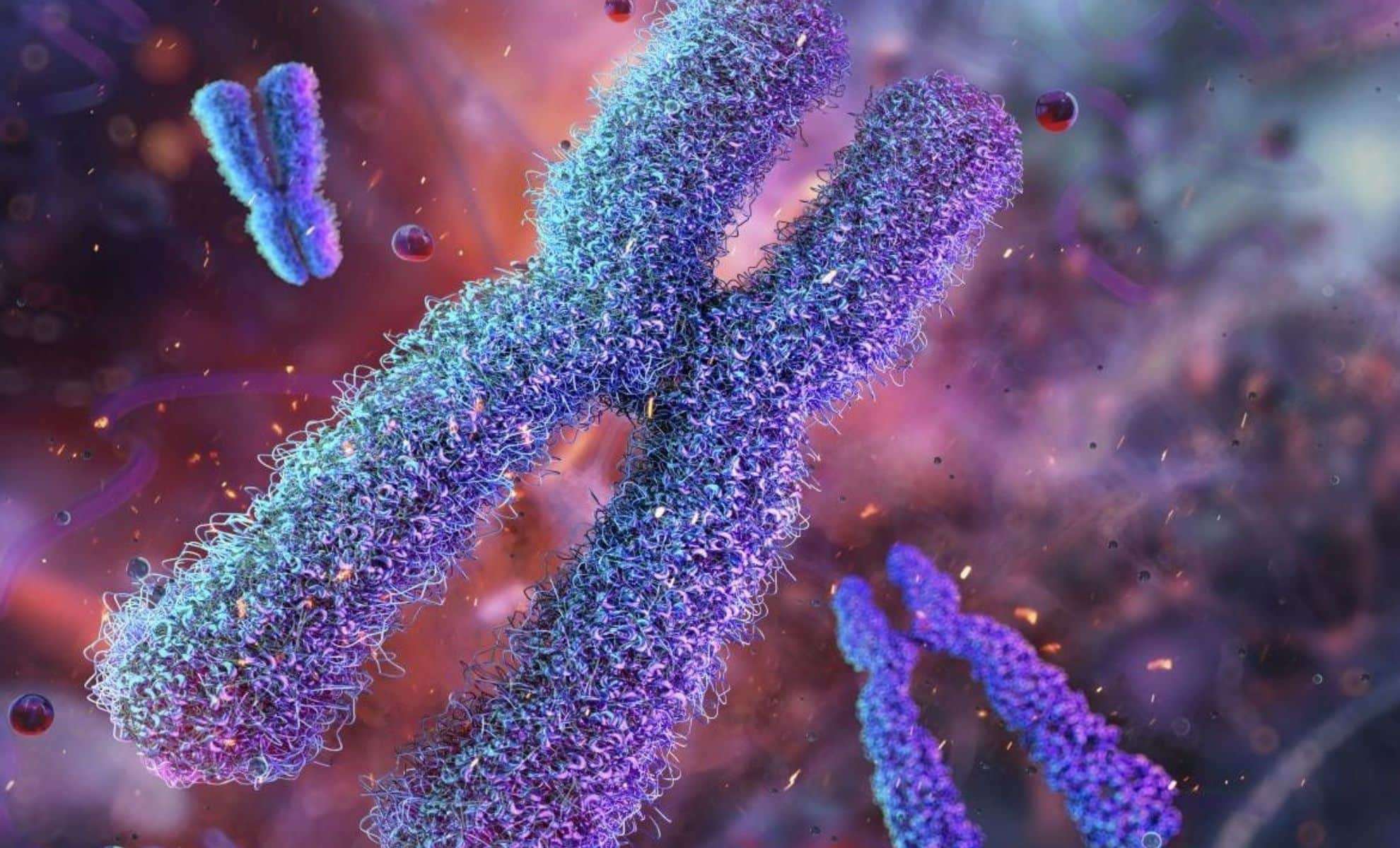
Telomeres are protective caps situated at the ends of chromosomes and are integral to the process of cell aging.

As cells replicate, these DNA sequences gradually degrade, and once too brief, they fail to shield chromosomes, causing cellular death.
The initial telomere length a person inherits at birth is increasingly recognized as a fundamental element influencing overall longevity.
Professor Rebecca Robker from Adelaide’s research team notes that telomere length varies among newborns.
“Shorter telomeres are observed in children of women with obesity or metabolic syndrome,” Robker explained. “As adults, these individuals are at increased risk of premature mortality from cardiovascular events, such as a heart attack or stroke, even when they are not obese themselves.”
This evidence illustrates that biological aging starts its countdown before birth.
Maternal Health: A Key Factor in Telomere Length
The connection between a mother’s well-being and her child’s telomere length is significant.
Health complications such as maternal obesity and metabolic disorders influence the embryo’s telomere development.
Essentially, maternal health during preconception and pregnancy sets the stage for the child's long-term risk of developing chronic diseases.
The study highlights how maternal environmental exposures and physiological conditions during conception play a pivotal role in shaping telomere integrity.
“The process is highly responsive to signals from the mother’s body,” said Dr. Yasmyn Winstanley, co-lead author of the study. “Our findings show that maternal health and environmental conditions at the time of conception can have long-term consequences and can even influence the offspring’s susceptibility versus resilience to aging-associated diseases in later life.”
How Embryos Manage Telomere Renewal
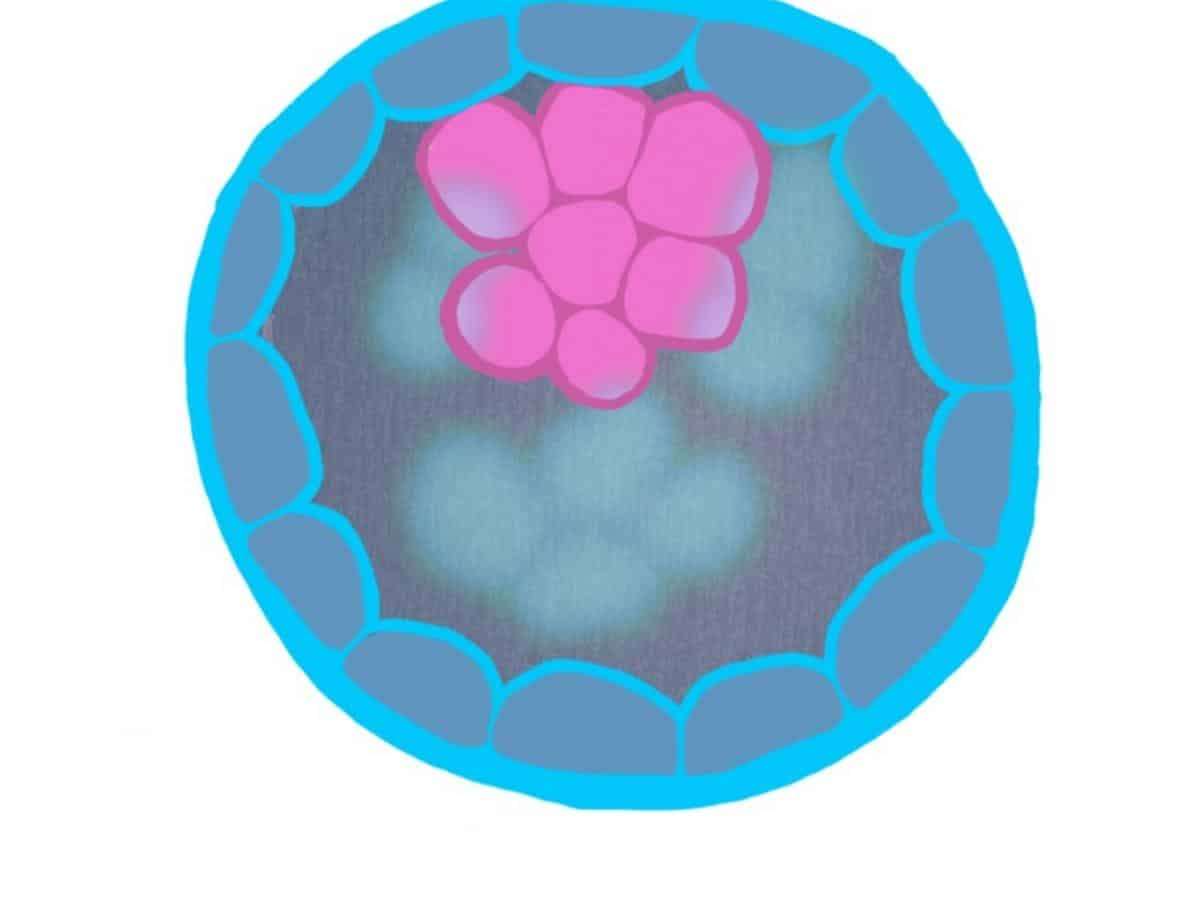
A remarkable discovery is the embryo’s ability to rejuvenate telomeres inherited from the parents.
Upon fertilization, offspring receive telomeres from both sperm and egg, which might have been shortened due to parental aging.
However, embryos possess natural mechanisms to lengthen these telomeres, effectively restarting their biological clock.
Oxidative stress can interfere with this restoration, causing additional telomere shortening. Crucially, healthy mitochondrial function, which provides energy for telomere extension, is essential in this process.
Experiments in mice showed that when mitochondrial activity is compromised, telomere length resetting is insufficient, resulting in shorter telomeres at birth.
Emerging Treatments to Modify Telomere Length
Though shortened telomeres at birth correlate with heightened disease risk, the study reveals potential therapeutic routes to counteract this.
Medications like the antidiabetic agent metformin may be harnessed to promote telomere lengthening in embryos, enhancing their future health prospects.
Professor Robker highlighted that “Therapeutic strategies targeting this biological process exist, representing a vital approach to lowering chronic illness risk.”
This discovery offers promising possibilities to reduce the consequences of telomere shortening, potentially transforming reproductive healthcare and public health policies.
The team continues research alongside Vitaleon Pharma to pioneer therapies aimed at improving telomere lengths during preconception and early developmental stages.
These advancements not only deepen our understanding of aging origins but could also pave the way for innovative interventions in medicine.
- Categories:
- Science













0 comments
Sign in to Comment