
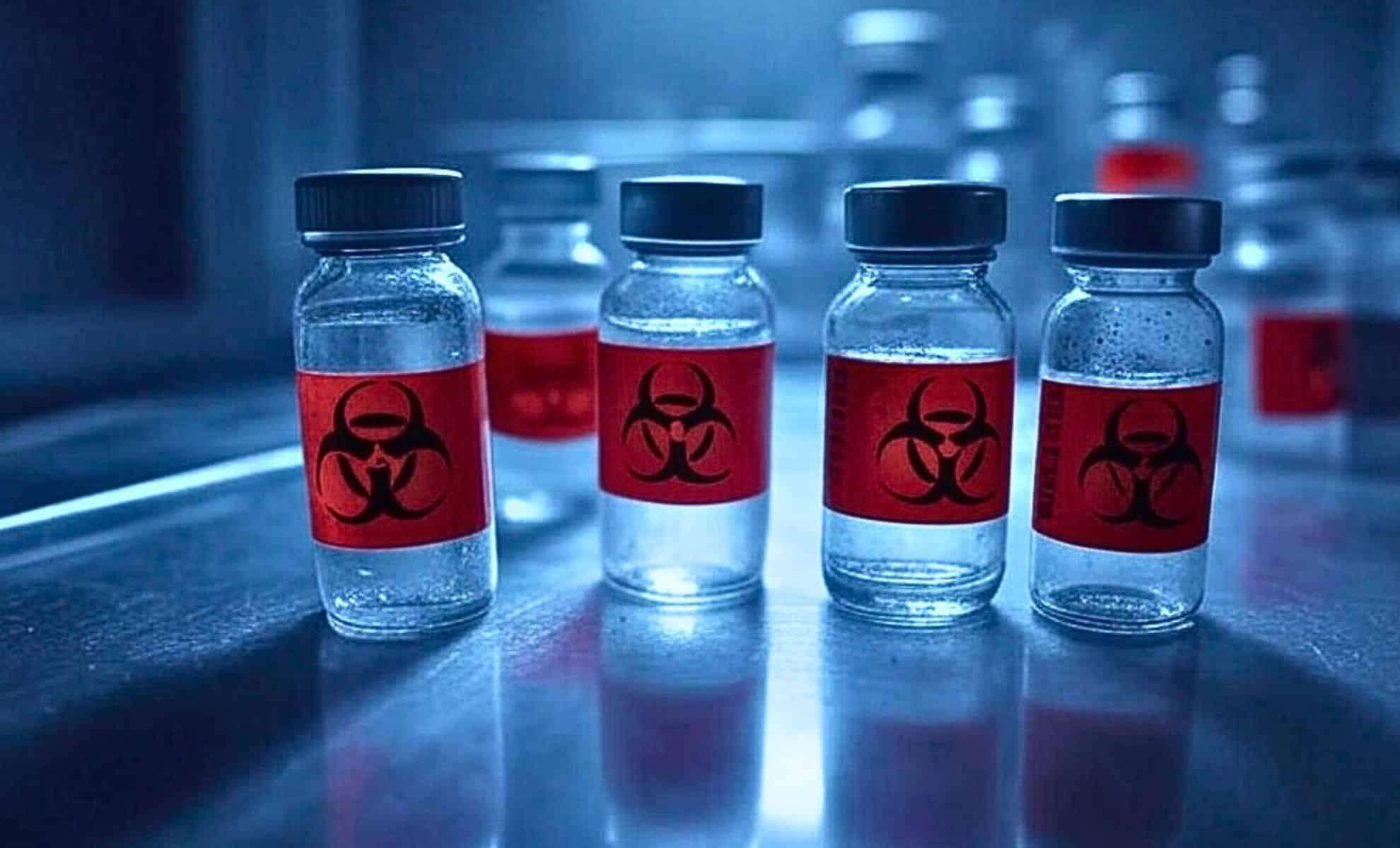
Australia is currently grappling with a significant public health dilemma following the disappearance of 323 vials containing highly infectious viruses from a laboratory in Queensland. Among the lost samples are some of the nation’s most lethal pathogens, including Hendra virus, Lyssavirus, and Hantavirus.
These vials have been unaccounted for since August 2023, prompting serious doubts about the security measures and management of these dangerous biological agents. Authorities are actively probing the incident while concerns mount over possible lapses in protocol and the potential fallout from this breach.
How Did the Virus Samples Vanish?
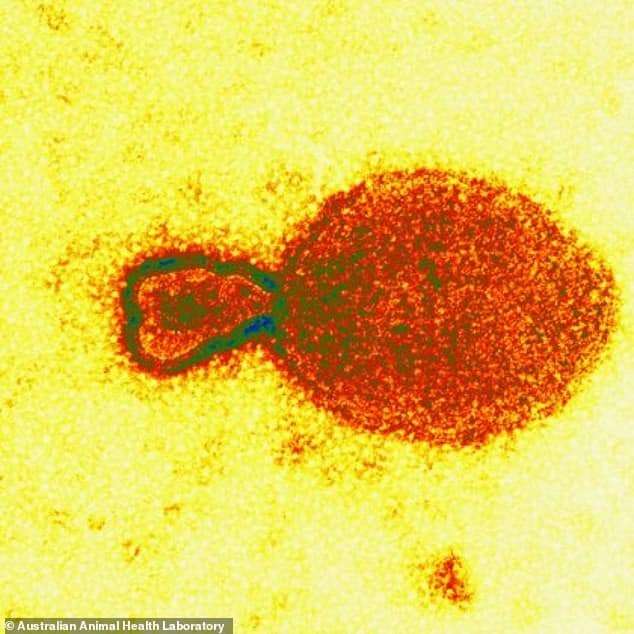
The unexpected loss of these hazardous virus specimens from a supposedly secure facility has ignited alarm. Queensland’s Public Health Virology Laboratory, responsible for diagnostic work, research, and monitoring of zoonotic viruses, including those spread by bats and rodents, reported the disappearance of strains like the Hendra virus—which has a 57% death rate in humans—alongside Lyssavirus, related to rabies, and the lung-damaging Hantavirus.

Investigations suggest that an unexpected failure in freezer equipment may have caused the misplacement of these vials. Some sources speculate the samples might have been lost while transferring them to a backup storage unit, though no direct evidence indicates theft or deliberate disposal. This incident has raised critical questions about the lab’s biosecurity procedures.
Probing Accountability: What’s Next?
Queensland’s Health Minister, Timothy Nicholls, has initiated a comprehensive nine-phase inquiry to uncover the details behind the loss and prevent future occurrences. Minister Nicholls emphasized:
“With such a serious breach of biosecurity protocols and infectious virus samples potentially missing, Queensland Health must investigate what occurred and how to prevent it from happening again.”
The government’s examination will review adherence to protocols, examine any regulatory failings, scrutinize staff behavior, and evaluate the storage systems involved. The Public Health Virology Laboratory has already conducted internal audits and reinforced staff training on secure handling procedures.
Experts Provide Reassurances to Alleviate Public Anxiety
In light of the missing virus samples, Dr. John Gerrard, Queensland’s Chief Health Officer, has assured the public that the immediate risk is minimal:
“It’s important to note that virus samples would degrade very rapidly outside a low-temperature freezer and become non-infectious. It’s very unlikely that samples were discarded in general waste, as this would be completely outside routine laboratory practice.”
This statement aims to ease concerns regarding improper disposal or the possibility of these viruses entering the community unintentionally. Nevertheless, questions remain about how such a critical security lapse occurred.
Understanding the Threat Posed by the Missing Samples
To grasp the seriousness of the situation, it helps to consider the characteristics of the vanished viruses and their highly dangerous nature. Below is a brief overview:
These viruses are infamously lethal and capable of causing serious human illnesses. Although authorities maintain the viruses degrade quickly when removed from controlled cold environments, the potential mishandling remains a cause for concern.
Looking Ahead
Key questions continue about the laboratory’s handling of these dangerous agents and the robustness of existing biosafety controls. The ongoing nine-part investigation is expected to expose any systemic weaknesses that contributed to this event. Moreover, this episode raises broader issues regarding Australia’s standards and capacity for managing deadly infectious materials.
For the present, health experts emphasize that public danger is low. Yet, this incident serves as a stark warning about the need for stringent oversight and secure practices when handling some of the world’s most perilous viruses.










0 comments
Sign in to Comment