
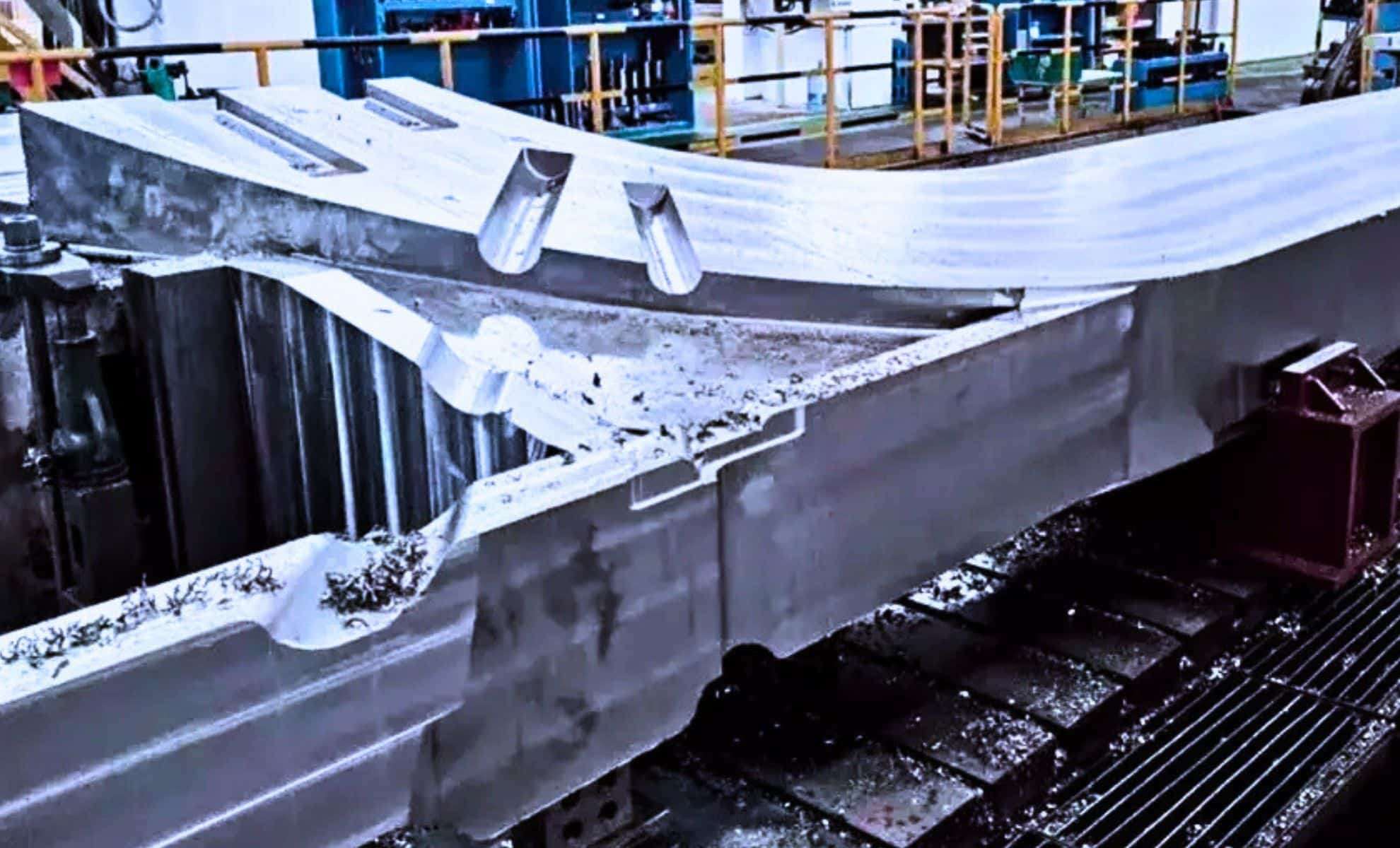
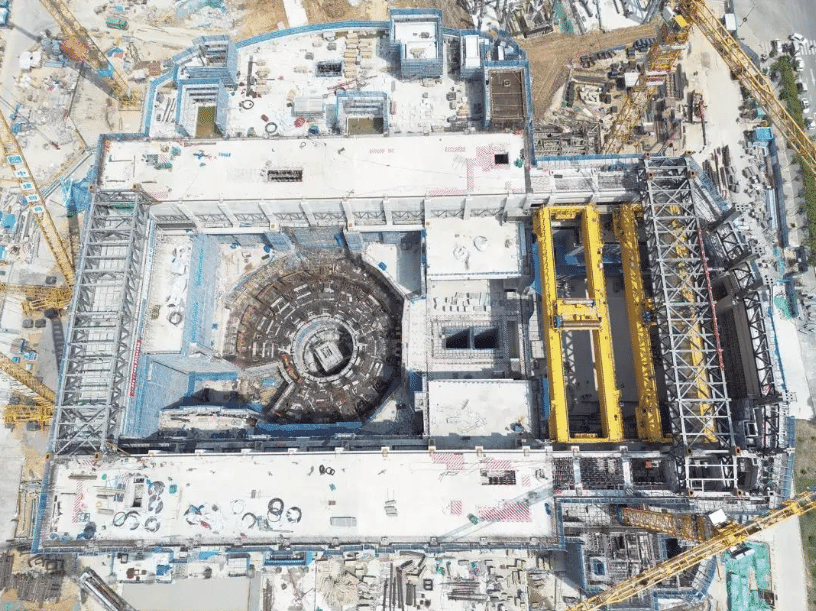
Researchers in China have reportedly succeeded in fabricating a remarkable steel alloy, overcoming what many experts worldwide deemed unfeasible: a metal capable of enduring the punishing conditions inside a nuclear fusion reactor. The new alloy, named CHSN01 (China high-strength low-temperature steel No. 1), is engineered to withstand the extreme cold of liquid helium alongside intense magnetic pressures crucial for fusion processes — challenges that have historically limited material performance. According to a report by the South China Morning Post, this steel is already being incorporated into China’s ongoing BEST fusion reactor project, which aims for completion in 2027.
Engineering Challenges at Fusion’s Core
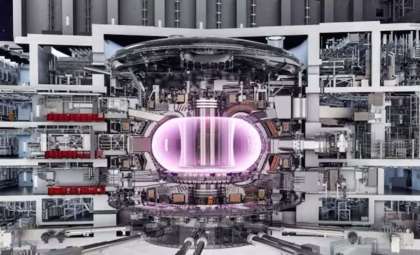
Fusion reactors mimic the Sun's powerful energy generation, with internal temperatures reaching millions of degrees. To confine the plasma, superconducting magnets must be maintained at approximately -269°C, just above absolute zero. These magnets not only operate at ultra-low temperatures but also sustain magnetic fields as high as 20 Tesla, nearly double the 11.8 Tesla fields in the ITER project in France, the current world leader in fusion research.
Such a combination of intense cold and magnetic force severely taxes steel materials. ITER’s own development faced setbacks when its cryogenic steels became brittle during tests back in 2011. Commonly used materials like 316LN stainless steel had nearly reached their performance ceiling, prompting skepticism when China announced it was developing a superior alternative.

A Decade of Advancements Leads to Breakthrough
The effort to create CHSN01 began over ten years ago, focusing on fine-tuning elements like vanadium, carbon, and nitrogen. Early test results were positive but insufficient for fusion reactor demands.
A pivotal moment arrived in 2020 when Zhao Zhongxian, a top authority in cryogenic physics and recipient of China’s highest scientific honors, joined the project. His involvement refocused the research strategy. By 2021, China set aggressive targets: achieving a yield strength of 1,500 MPa alongside over 25% elongation at cryogenic temperatures, ensuring a balance of strength and flexibility.
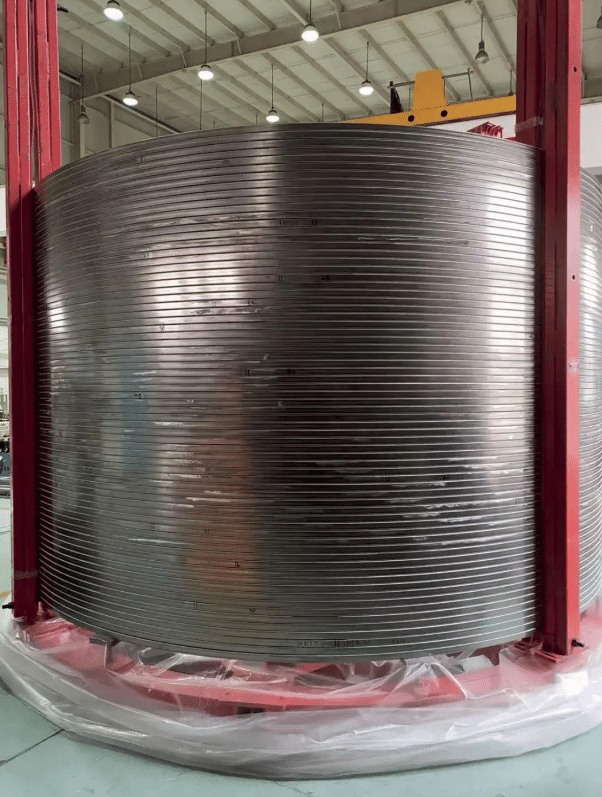
Rigorous testing in subsequent years confirmed CHSN01’s capability to endure 20 Tesla magnetic fields and mechanical stresses up to 1,300 MPa without structural failure. By mid-2023, this alloy was actively implemented within the BEST reactor’s construction, with roughly 500 tons of CHSN01 dedicated to conducting jacket components.
Advancing Toward Fusion Energy Production
Unlike ITER, intended solely as a scientific research facility with no electricity output, China’s BEST reactor targets commercial fusion energy generation. This places greater demands on materials to sustain long operational lifespans and harsher conditions.
Physicist Li Laifeng from the Chinese Academy of Sciences highlighted the necessity in 2011 for future fusion reactors to employ stronger magnetic fields than ITER’s 11.8 Tesla limit. The development of CHSN01 bolsters China’s position to meet these evolving materials challenges.
Moreover, CHSN01 is fully domestically produced, minimizing dependence on imports of premium steel and providing China with proprietary technology potentially beneficial in other fields ranging from particle accelerators to interplanetary spacecraft.
- Categories:
- News





0 comments
Sign in to Comment