
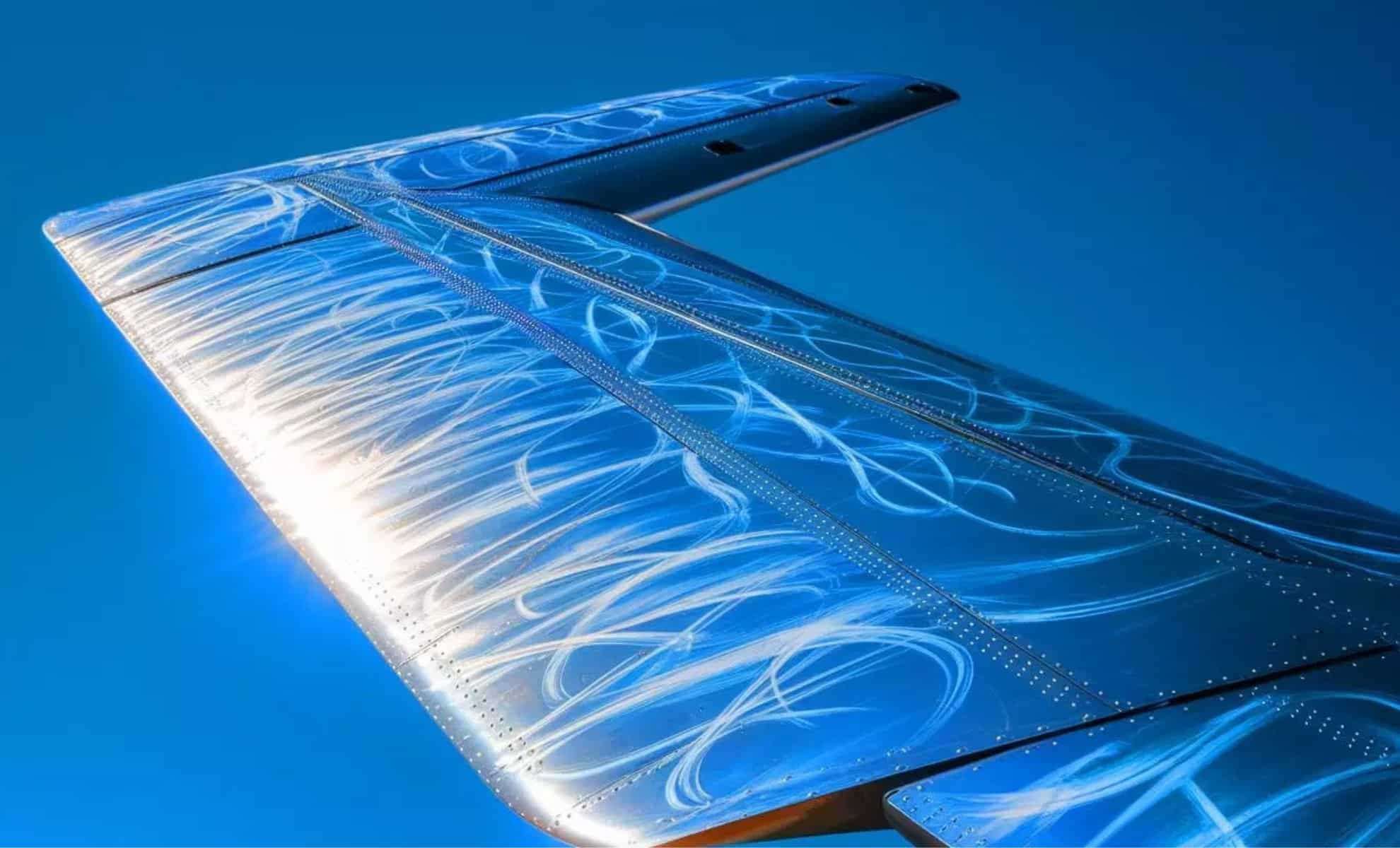
Chinese scientists have engineered an innovative fatigue-resistant steel alloy that significantly surpasses traditional metals in both toughness and longevity. Developed from standard stainless steel, this breakthrough material promises to revolutionize sectors ranging from aerospace engine manufacturing to subsea infrastructure.
Revolutionizing Metal Strength from Within
Researchers at the Institute of Metal Research, Chinese Academy of Sciences have pioneered a technique to fortify the internal makeup of 304 austenitic stainless steel without demand for costly elements or rare resources. By applying a mechanical twisting treatment, they enhanced the steel’s internal architecture to high effect.
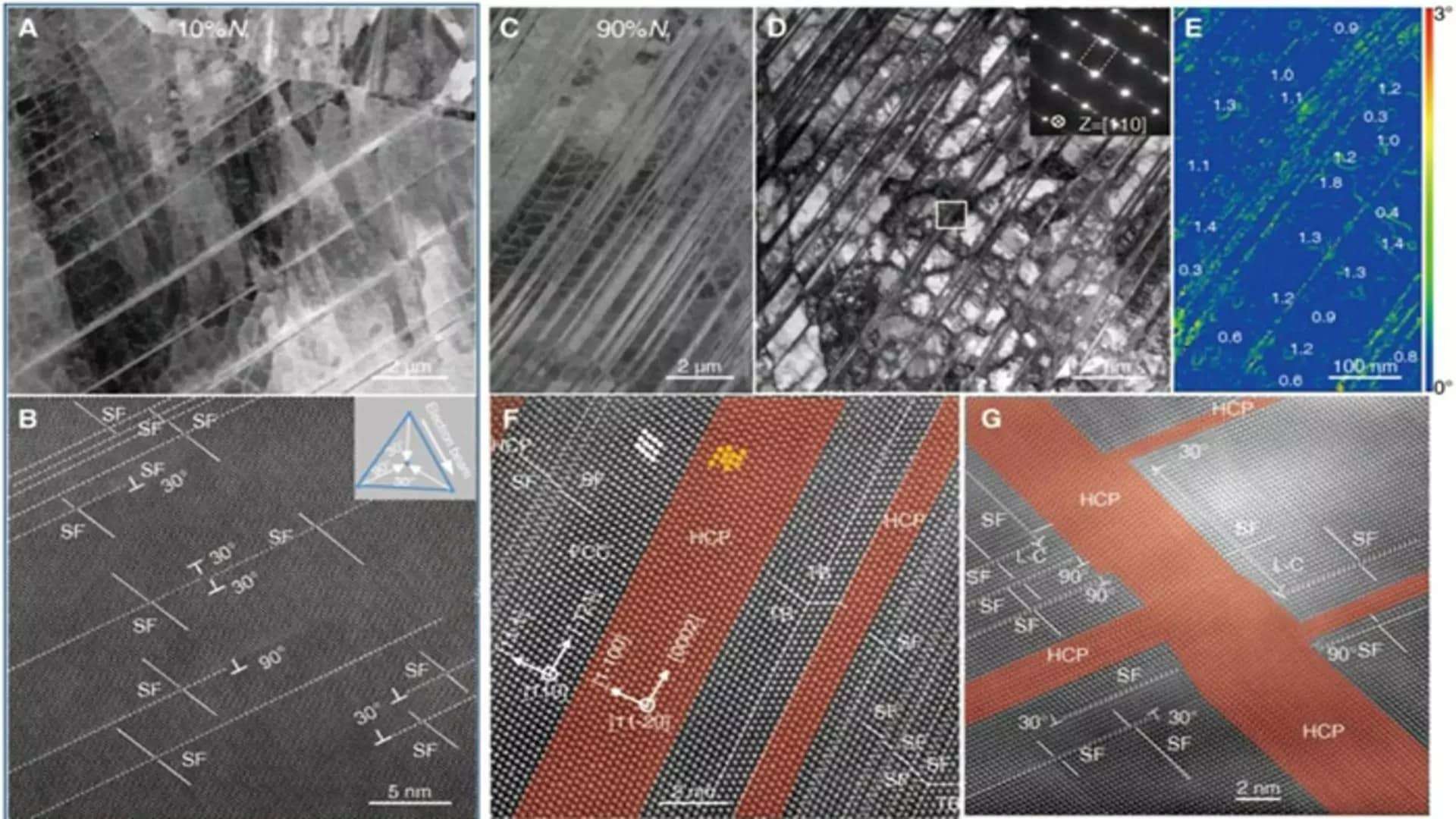
Their published study in Science details how repeated torsional deformation—akin to wringing a towel—forms a unique gradient dislocation structure (GDS). This microstructural network acts as a maze of microscopic barriers, akin to internal shock absorbers, greatly improving resistance to shape changes and wear.

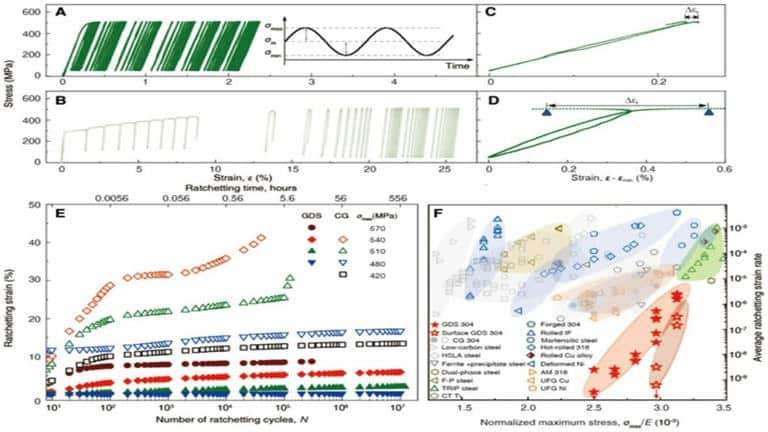
Although the structural modifications measure only about one three-hundredth the width of a human hair, they enable the steel to more than double its strength while improving fatigue resistance by factors up to 10,000. Importantly, the steel’s outer surface remains unaltered, allowing seamless integration with existing manufacturing lines.
Conquering the Materials Science “Impossible Triangle”
This advancement addresses a persistent challenge in metallurgy: enhancing strength usually compromises plasticity or fatigue endurance—a conundrum known as the “impossible triangle.” The Chinese team’s approach uniquely achieves all three qualities—robust strength, flexibility, and long-term stability.
The key lies in how the engineered dislocation patterns absorb and redistribute stress like internal springs. When subjected to intense or repetitive loading, the steel maintains its form rather than fracturing or distorting.
Moreover, the alloy self-reinforces under pressure, refining its microstructure to resist damage accumulation. This prevents localized failures that commonly undermine traditional materials.
Wide-Ranging Industrial and Aerospace Applications
The alloy’s extraordinary durability suits it well for demanding environments. It shows promise in critical aerospace parts like connecting rods and crankshafts, which face relentless stress and temperature fluctuations.
Additionally, its resilience could benefit underwater pipelines, where mechanical and environmental stresses are intense, as well as boiler tubes in nuclear power plants, which encounter gradual structural fatigue called cyclic creep.
This type of damage accumulates invisibly under repeated low-level stress until sudden failure occurs. The new steel significantly mitigates this risk, enhancing structural safety and reliability beyond what standard alloys offer.
Economical, Scalable Manufacturing for Real-World Use
The innovation shines in its practicality. The foundation is widely available 304 stainless steel, and the strengthening method relies on repetitive mechanical torsion rather than intricate heat treatments or exotic additives. This makes scaling the process feasible using current industrial equipment.
Led by Professor Lu Lei, whose team is renowned for their work on nanostructured metals and multiple research highlights in Science, the study outlines a broadly applicable approach. The technique might extend to other engineering metals, presenting a versatile strategy to enhance material toughness.
China’s state media CCTV emphasized the technology’s potential to deliver “critical support for the extended lifespan and superior reliability of key components in extreme conditions.” As industrial demands for enduring, high-performance materials grow, this fatigue-resistant steel is poised to set a new industry benchmark.
- Categories:
- News













0 comments
Sign in to Comment