
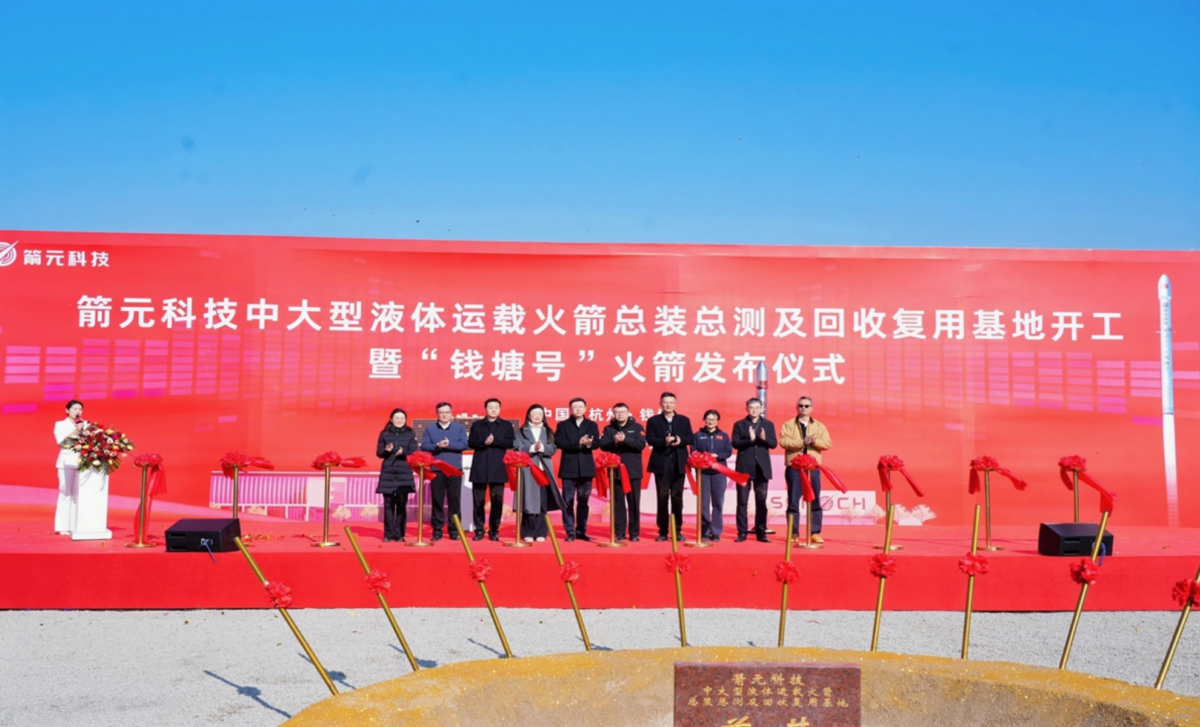
China is advancing rapidly within the commercial space sector by commencing the build of its inaugural sea-recovery rocket manufacturing plant. Construction kicked off on January 7, 2026, in Hangzhou, marking a vital milestone aimed at cutting expenses linked to space missions. This innovative endeavor, led by Beijing-based Space Epoch, focuses on developing rockets that can be launched, landed, and retrieved from the ocean, promising to transform China's spaceflight operations. As reported by CGTN, this initiative is poised to influence not only China's expanding commercial space market but also the aerospace industry worldwide.
China Takes a Giant Step Toward Reusable Rocket Development
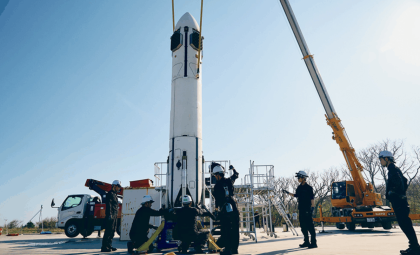
The city of Hangzhou has become home to China’s first facility dedicated to the production of sea-recoverable reusable rockets. Valued at 5.2 billion yuan ($740 million) and driven by Space Epoch, this plant will manufacture medium-to-large liquid-fueled rockets engineered for recovery from ocean landings, a move set to greatly decrease launch costs. Wei Yi, founder and chairman of Space Epoch, emphasizes that this breakthrough could transform global space exploration, enabling more cost-effective and efficient satellite deployments.
“A reusable rocket is like a taxi, satellites are the passengers, and a constellation of satellites is a busload of tourists,” Wei Yi shared in an interview with the local newspaper Hangzhou Daily.
Add Cosmo Herald as a Preferred Source

This metaphor captures the vision for these rockets, underscoring the potential for a more efficient and economical space travel system. Recovering rockets at sea could mirror the achievements of the SpaceX land-based recovery methods, positioning China as a formidable competitor in the reusable rocket arena.
As detailed by CGTN, this facility aims to produce as many as 25 reusable rockets each year, focusing on mid- to large-size payloads and setting new standards for operational efficiency. This advancement arrives as global entities like SpaceX dominate the reusable rocket sector. By establishing this plant, China hopes to capitalize on the surge of privately-led aerospace ventures driving innovation in space access and satellite launches.
Reducing Space Launch Costs in China
A standout feature of the new plant is its anticipated role in slashing spaceflight expenses. Presently, China's conventional satellite launch costs range from 80,000 to 100,000 yuan per kilogram. However, with Space Epoch's innovative “stainless steel + liquid oxygen and methane” design, predicted costs could fall significantly to around 20,000 yuan per kilogram. This substantial cost cut is expected to enable more frequent and affordable space missions, broadening access for both governmental and private organizations.
This shift toward budget-friendly launch solutions is likely to affect global space endeavors. As more countries and companies gain entry to economical rocket launches, the competitive dynamics will evolve, fueling faster progress in space technologies. China's assertive move into commercial space reflects its ambition to become a key global leader in satellite technology and space exploration.
Expanding Role of Private Space Enterprises in China
While state-backed space programs remain influential in China's space achievements, private firms are increasingly pivotal in advancing space technologies. Space Epoch’s new manufacturing center responds to growing demand for commercial, reusable launch vehicles led by private industry innovation.
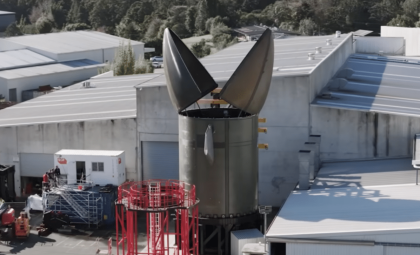
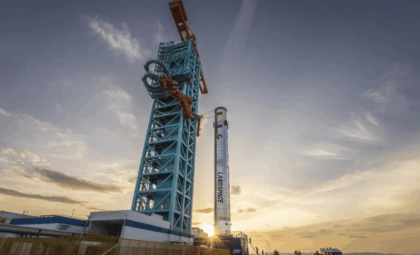
Besides Space Epoch, Chinese companies such as LandSpace, Space Pioneer, and Galactic Energy are making headway in reusable rocket tech, conducting vertical takeoff and landing tests, near-orbit recoveries, and important propulsion trials. Though challenges persist, these developments reflect a broader shift toward engineering-focused, private-sector-driven growth in China's aerospace ambitions.
A report by the 21st Century Business Herald highlights that China’s commercial space sector is moving from isolated experiments to structured, engineering excellence. This trend aligns with global patterns of increasing collaboration between public and private space organizations. As private firms refine their expertise, China aims to strengthen its position in the competitive international space economy.
China’s Commercial Space Industry Advances Prominently
The establishment of this sea-recovery rocket plant is part of China's wider strategy to enhance its commercial spaceflight capabilities. Recently, private companies have played an expanding role in pushing space exploration forward, mirroring trends observed in countries like the U.S. Although government-backed programs such as Long March 12A remain vital, private enterprises are gaining momentum as critical contributors to aerospace technology development.
Beyond Space Epoch, numerous Chinese companies have pursued reusable rocket projects since late 2025. Their achievements promise to place China alongside world leaders such as SpaceX, well known for pioneering reusable rocket technology. By cultivating a domestic reusable rocket market, China is positioning itself for a leading role in space missions with a strong focus on affordability and operational efficiency.
- Categories:
- Space








0 comments
Sign in to Comment