
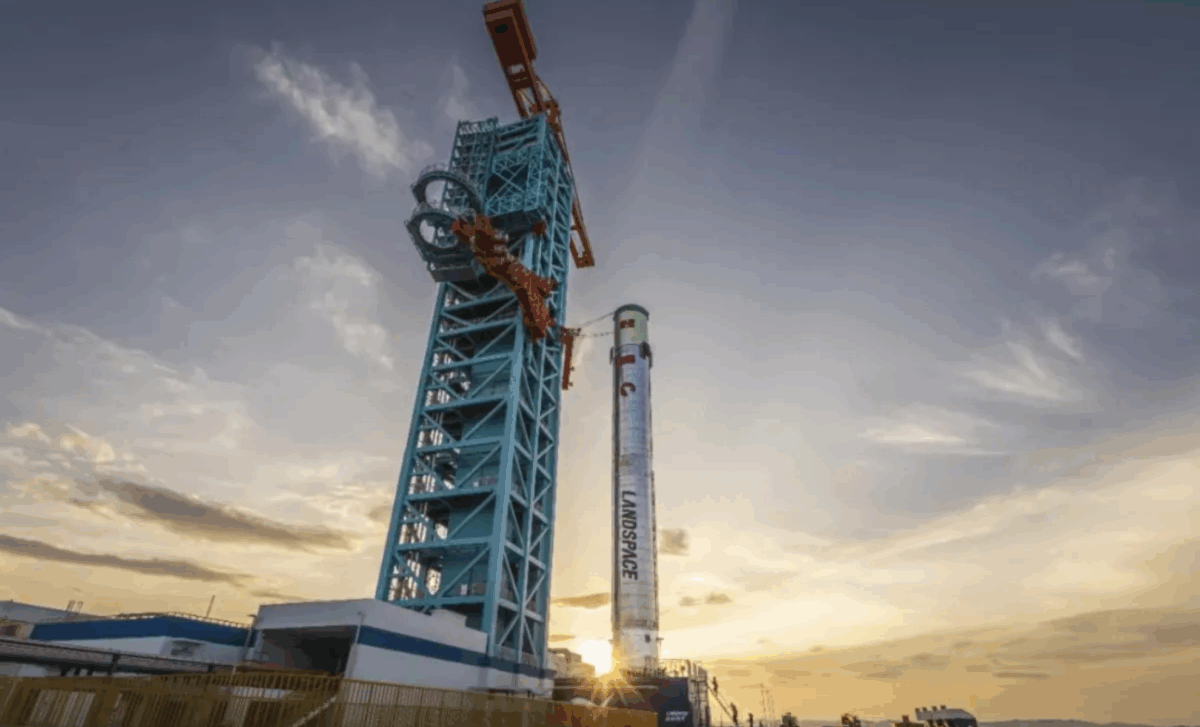
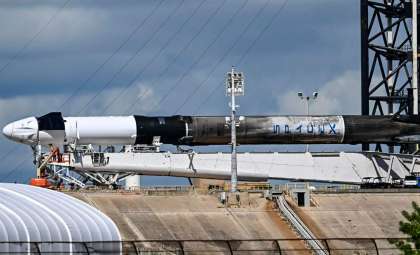
China is making significant progress in its pursuit of reusable rocket technology, introducing three promising candidates that could reshape the future of spaceflight. As detailed by the South China Morning Post, the Long March 12A, Zhuque-3, and Tianlong-3 rockets are all being prepared for upcoming launches. These vehicles aim to challenge SpaceX’s Falcon 9 by offering advanced reusability and supporting China's expansive ambitions in satellite communications and global internet coverage.
China’s Drive Toward Reusable Spaceflight
With reusable rocket technology becoming a critical component in lowering space access costs, China has intensified efforts through three key rocket programs. The Long March 12A, Zhuque-3, and Tianlong-3 are engineered to demonstrate China's growing prowess in aerospace innovation. Forecasted to launch from the Jiuquan Satellite Launch Centre, these rockets represent a pivotal test for the country’s space ambitions. Successful landings of any of these rockets would signify a major milestone in advancing reusable rocket technology in China. As highlighted by the South China Morning Post,
“Pulling off China’s first rocket landing would be huge,” one anonymous source emphasized, underscoring the significance of such a feat. “State-owned contractors may try to leverage their influence to go first.”
Add Cosmo Herald as a Preferred Source

Such competition among state enterprises underlines the strategic weight of these upcoming missions. Yet, despite the promising outlook, technical obstacles have led to delays in the rockets’ development schedules. “But it has been postponed again,” the source revealed, indicating further refinement is needed before China achieves stable reusable rocket launches.
Why #Zhuque3 could beat Falcon 9 on cost#China's Zhuque-3 #rocket is about to make its debut, and the biggest headline isn't just reuse — it's the possibility of flying cheaper than on Space-X's #Falcon9 model. Zhuque-3 takes a different engineering approach: a stainless-steel… pic.twitter.com/PymGGYHJ9P
— CGTN Frontline (@Frontlinestory) November 29, 2025
If these rockets achieve successful flights, they will mark a turning point in China’s status within the international space arena. The ability to reuse launch vehicles could dramatically reduce costs, facilitating frequent missions essential to China’s ambitious satellite constellation plans designed to deliver worldwide internet access.
Zhuque-3: Could China's Rocket Rival SpaceX’s Falcon 9?
Among the trio, the Zhuque-3 has attracted significant attention for its innovative design and promising performance. Elon Musk recently praised the rocket, noting its potential as a strong competitor to the Falcon 9. Musk pointed out that the Zhuque-3 incorporates design elements reminiscent of SpaceX’s Starship project, such as stainless steel construction and methalox propulsion, which may enable it to outperform Falcon 9 in the near future.
However, Musk also recognized the gap between Zhuque-3 and SpaceX’s Starship vehicle.
“Starship itself is in another league,” Musk commented, acknowledging that while the Zhuque-3 could outperform Falcon 9 in a few years, SpaceX’s ambitions with Starship would continue to push the boundaries of what’s possible in space travel. He further predicted that, “if they are lucky, it might outperform Falcon in five years, by which time SpaceX will be launching Starship.”
This evaluation highlights both the promise and challenges facing China’s reusable rocket projects. Though still trailing the most advanced U.S. systems, the Zhuque-3 lays crucial groundwork for China’s future efforts in advanced space exploration and launch vehicle innovation.
What This Means for the Future of Space Exploration
The emergence of reusable rockets from China is set to reshape the global space sector. SpaceX has long led the way in making space access more affordable through reusability, and China’s advancements could intensify competition, driving new breakthroughs in rocket engineering and satellite deployment.
Cost-effective reusable rockets are key to expanding access to space, enabling missions that were previously too expensive. China’s satellite networks for global internet will depend on these rockets to provide frequent and economical launches, helping bridge connectivity gaps worldwide and laying the foundation for more ambitious ventures like human spaceflight and lunar exploration.
- Categories:
- Space




0 comments
Sign in to Comment