

A recent trial of SpaceX's Starship Raptor engine at their McGregor, Texas site resulted in a significant explosion. The dramatic footage reveals the inherent difficulties and hazards involved in developing the most powerful rocket engine ever attempted.
This event highlights the essential trial-and-error process in aerospace engineering, where setbacks are intrinsic to achieving breakthroughs.
Details of the Explosion
On May 23, 2024, during a scheduled static fire test, a malfunction occurred within a Raptor engine that led to a large explosion. The primary failure triggered an additional blast caused by flammable vapors igniting in the surrounding atmosphere.

The raptor testing stand at McGregor experienced an anomaly a few moments ago. The vapors from the anomaly caused a secondary explosion on the test stand.
Link: https://t.co/Eh5oaicmrw pic.twitter.com/3K7tz8d6OF
— Chris Bergin – NSF (@NASASpaceflight) May 23, 2024
The incident was streamed live by NASASpaceFlight, offering an uncommon look into the high-pressure reality of rocket development. Thankfully, no personnel were harmed, and the well-enforced safety measures kept the destruction limited.
Progress of the Raptor Engine
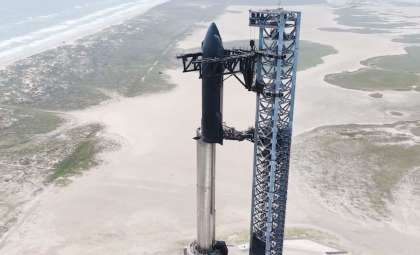
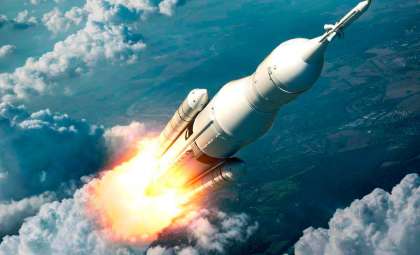
The Raptor engine plays a central role in SpaceX’s upcoming Starship launcher, engineered for missions beyond Earth, targeting the Moon, Mars, and further. Utilizing liquid methane and liquid oxygen in a methalox configuration, this engine is built for reusability. The Starship’s massive Super Heavy booster will employ 33 Raptor engines, making it the most powerful rocket ever conceived.
Designing such an advanced and powerful engine requires exhaustive testing cycles. Although failures can be spectacular, they yield invaluable insights for engineers to enhance the engine’s design and functionality.
SpaceX consistently leverages rapid prototyping combined with iterative testing; the Raptor development process exemplifies this strategy. Every trial, regardless of result, advances the company towards its visionary aims.
Impact on SpaceX’s Development Timeline
While the explosion presents a temporary obstacle, it is an anticipated part of the demanding testing required for perfecting rocket systems. SpaceX has historically encountered and surmounted technical hurdles by extracting lessons from each setback.
The company’s philosophy of pushing their machinery to extremes has been a catalyst for progress. This event will prompt enhancements in the Raptor engine’s design, boosting its dependability and overall effectiveness.
Emphasis on Safety and Risk Mitigation
Safety remains paramount at SpaceX, with procedures designed to manage incidents like this effectively. The McGregor explosion was contained without injuries, showcasing SpaceX’s preparedness. Rapid investigation and response to this failure will be vital to avoid recurrence.
Ongoing safety advancements allow SpaceX to continue its ambitious testing programs with minimized hazards.
Insights and Engineering Philosophy
SpaceX’s cycle of fast-paced experimentation mixed with acceptance of failure accelerates technology refinement. Each malfunction provides critical feedback for subsequent improvements. The Raptor engine explosion will undergo thorough analysis to pinpoint the root cause and inform future prevention strategies.
This rapid iteration model has been a cornerstone of SpaceX’s innovative success, enabling swift development at an unmatched speed.
Looking Ahead
Despite this setback, SpaceX remains focused on advancing the Starship initiative. Mastery of the Raptor engine is essential to Starship’s ambition to change space exploration with deep space capability and rapid reusability. The lessons from this phase will shape future versions of the engine, progressing toward crewed missions to Mars and beyond. SpaceX’s capacity to learn from failures will underpin continued technological progress.
Significance of the Raptor Engine
The Raptor’s design and output are vital for Starship’s overall performance. Each engine generates approximately 230 tons of thrust, and with 33 engines mounted on the Super Heavy booster, the total thrust exceeds 7,500 tons.
This tremendous force is required to launch Starship into orbit and support missions to the Moon, Mars, and potentially further destinations. Engine efficiency, reusability, and reliability are key to achieving SpaceX’s vision of affordable and accessible spaceflight.






0 comments
Sign in to Comment