
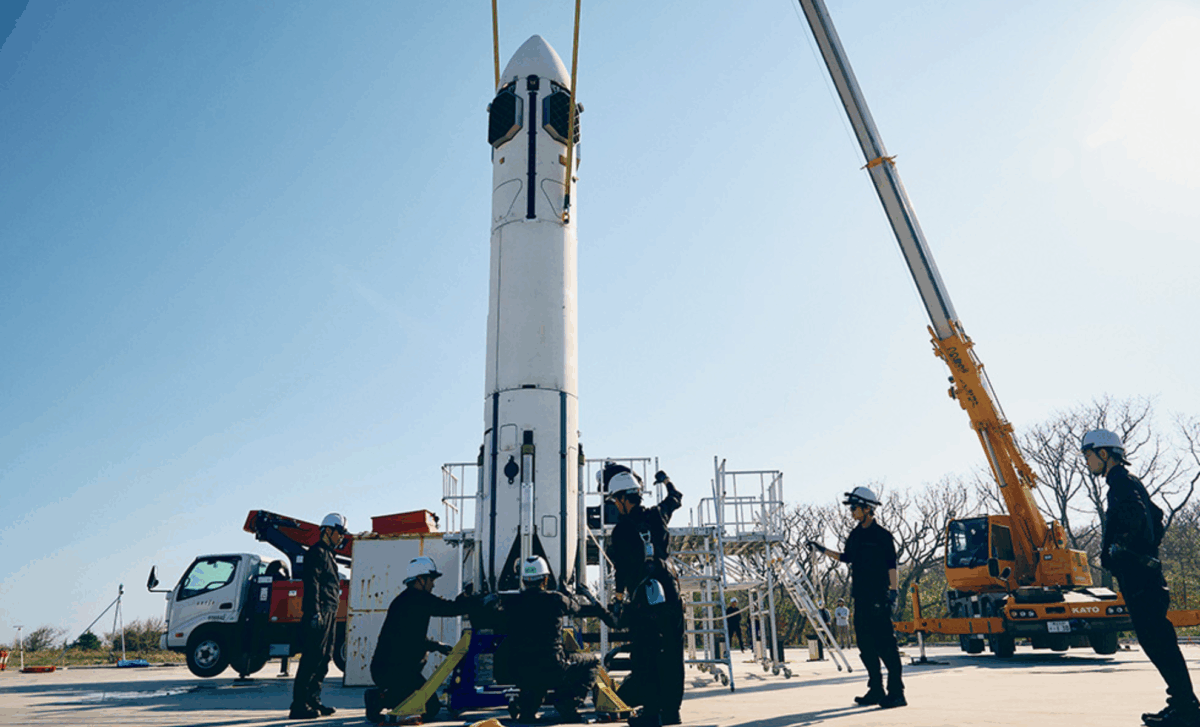
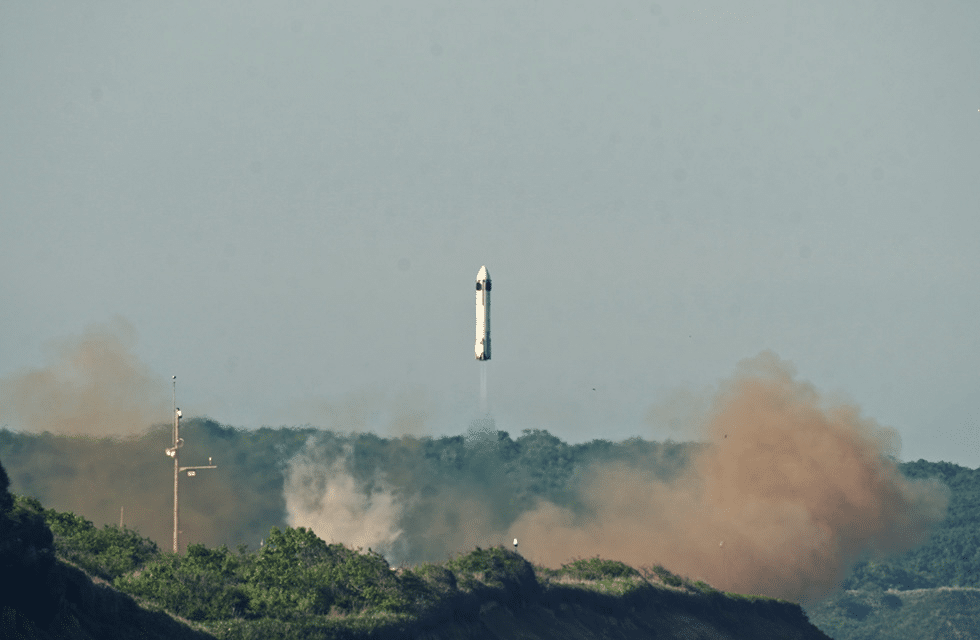
In June 2025, Honda captured global attention by successfully launching and landing a prototype reusable rocket, measuring about 20 feet in length, at its Hokkaido research center in Japan. Honda, widely recognized for its cars and motorcycles, is venturing into space technology, marking a surprising expansion beyond its traditional ground-based innovations.
An Ambitious Vision Beyond Earth
Honda’s entrance into the space sector might seem like a radical shift from its automotive roots, yet it aligns with the company’s deep history of pioneering new technologies. Beyond vehicles, Honda has introduced breakthroughs such as the earliest in-car navigation systems and advanced Level-3 autonomous driving technologies. As Kazuo Sakurahara, former leader of Honda’s Formula One team, suggests, extending its expertise beyond terrestrial transport into space is a natural evolution.
“Honda products have already expanded across land, sea, and sky,” he states, highlighting the seamless progression to space exploration.
Add Cosmo Herald as a Preferred Source

This venture into rocketry is not solely about space travel; it highlights Honda’s ambition to solidify its reputation as a trailblazer shaping the future of human mobility.
Harnessing Rocket Technology for Mobility and Commerce
Honda’s push into reusable rocket technology is driven by more than exploration goals. The company envisions clear practical applications.
“The rocket could be used to take satellites up to support mobility, energy, and communication,” says Sakurahara.
These satellites, meant for extensive communication networks, are poised to support sophisticated vehicle technologies like advanced driver assistance systems (ADAS). As vehicles become progressively smarter and more autonomous, dependable global satellite connectivity becomes critical. Honda’s rocket program could help deploy these satellites, reinforcing its pursuit of autonomous transport technologies and potentially branching into energy system expansions.
Though deploying satellites for Honda’s vehicles may sound futuristic, as reported by The Verge, Sakurahara underscores broader strategic possibilities.
“Honda could potentially use such satellites for its own vehicles, globally. Or it could sell this capability to other manufacturers,” he says.
By cultivating this technology internally, Honda aims to reduce dependence on dominant aerospace companies like SpaceX. This gives Honda a strategic edge, particularly considering the unpredictability surrounding Elon Musk’s ventures and the risks involved in relying on a volatile market leader.
“I could see not wanting to be reliant on a veritable monopoly like SpaceX, especially from someone who is as unstable as Elon Musk,” Sakurahara adds.
Space: An Arena for Innovation and Strategic Autonomy
While Honda’s space ambitions may appear far-reaching, they hold significant strategic value. Experts suggest these initiatives might equip Honda with greater autonomy, reducing reliance on external powers amid shifting global dynamics. Sakurahara remarks,
“Space is a harsh environment, so if this works, it will be an incredibly useful robot for people, freeing users from the constraints of time, location, and physical ability.”
In this light, Honda’s space program transcends transportation, emerging as a potential defensive tool that enhances the company's resilience on the global stage.
Transforming Automotive Expertise for the Cosmos
Interestingly, Honda’s space technologies are closely linked to its automotive innovations. The company’s experience with aerodynamics, fuel cell technology, robotics, and vehicle control systems offers a solid foundation for crafting advanced spacecraft systems.
“While this might seem like a diversion for Honda, they’re actually building on a lot of technologies they’ve been developing for ground transportation anyway—such as aerodynamics, fuel cells, vehicle control systems, and robots,” explains auto analyst Sam Abuelsamid.
This strategy of repurposing internal expertise demonstrates Honda’s commitment to innovation across multiple domains, extending its influence far beyond traditional transportation.
Ultimately, Honda’s venture into space is much more than a short-lived initiative or publicity move; it represents a deliberate, future-focused approach that may amplify the company’s impact across diverse industries. Leveraging established technologies in the demanding environment of space positions Honda as a front-runner in next-generation mobility and pioneering technological advancements for years ahead.
- Categories:
- Space



0 comments
Sign in to Comment