
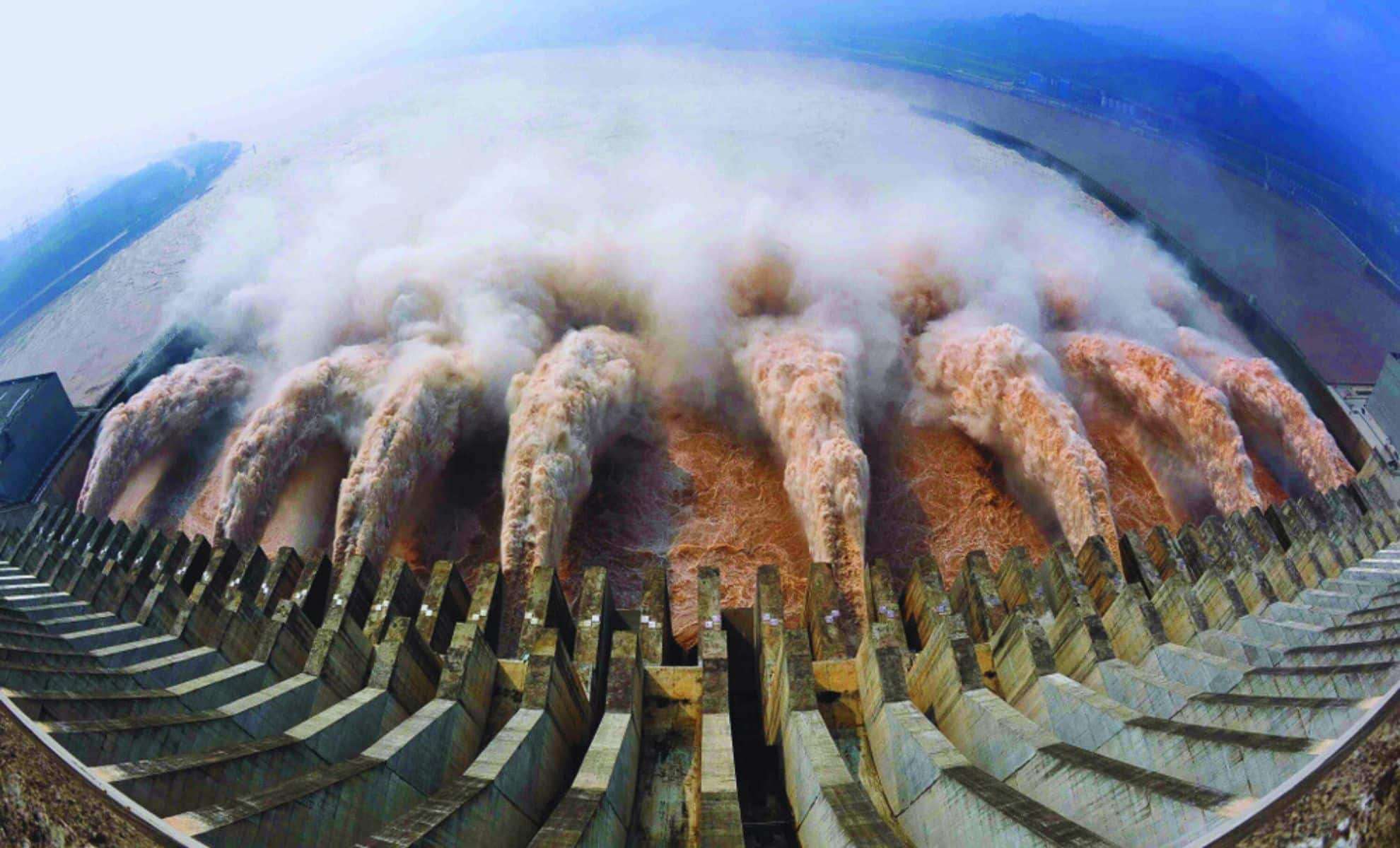
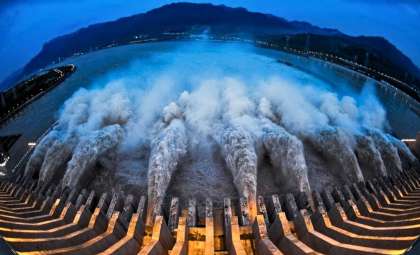
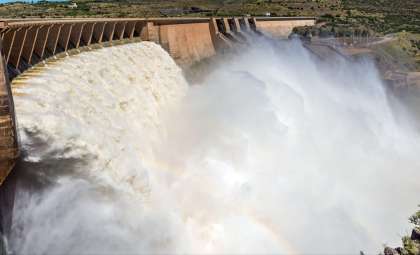
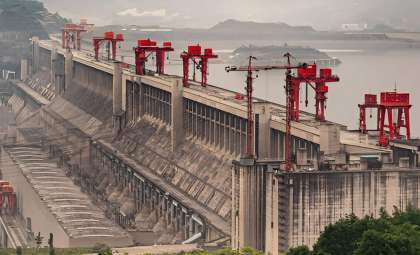
China has initiated construction of what could soon be the planet’s largest hydropower facility, located high on the Tibetan plateau. This massive undertaking, known as the Motuo project, was officially confirmed this August and aims to generate an astonishing 60 gigawatts—almost three times the capacity of the Three Gorges Dam.
Information shared by Chinese state outlets and the BBC, with assessments from organizations like the International Campaign for Tibet (ICT), reveals the immense scale and cost involved. Estimated at around $165 billion, this dam’s power output could rival France’s entire nuclear energy capacity. Still, the project goes beyond mere numbers, raising serious questions about environmental impact, human displacement, and geopolitical tensions.
China’s Expanding Hydropower Vision
China holds a dominant position in renewables worldwide. Its annual solar installations surpass those of every other country combined, while it simultaneously remains the top builder of coal-fired power plants. Hydropower, however, continues to be a key strategic asset—offering reliable, manageable, and carbon-free energy at the source.

The Motuo dam will harness the Yarlung Tsangpo River, which flows from Tibet downstream into India as the Brahmaputra and onward through Bangladesh. By controlling the upper portion of this critical river, China is effectively positioning itself as the primary custodian of one of Asia’s most essential freshwater sources.
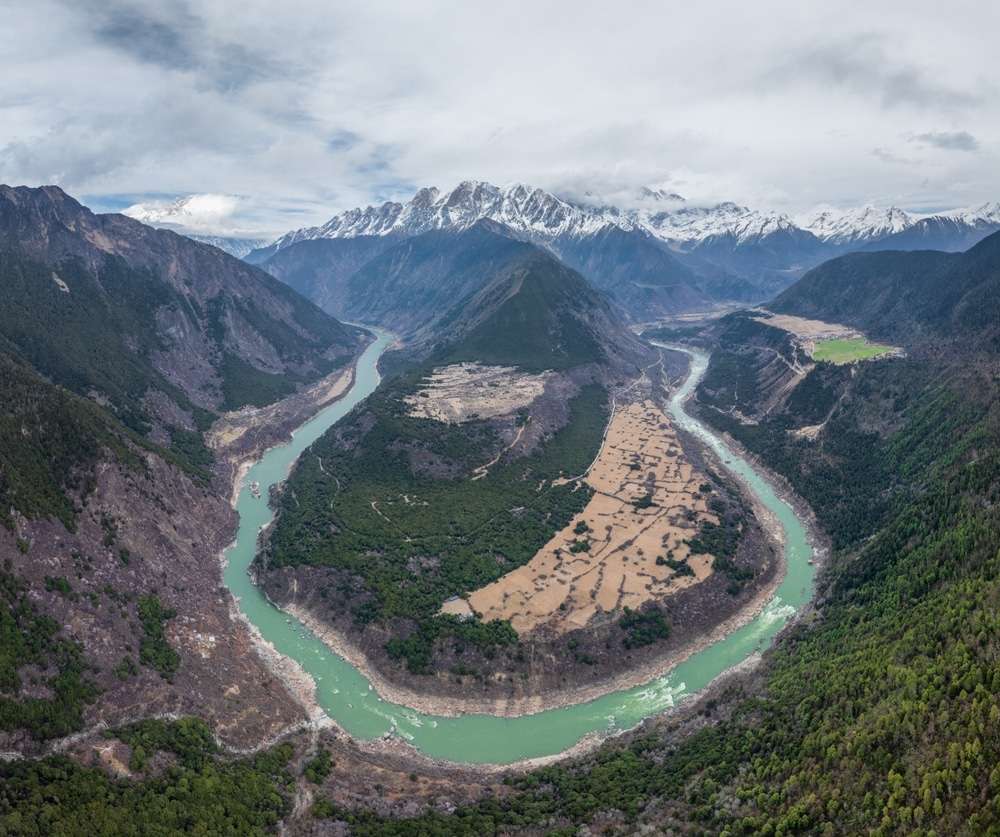
Research conducted by the United Nations Food and Agriculture Organization (FAO) estimates that over 1.8 billion people depend on the Brahmaputra river system for drinking water, agriculture, and their economic well-being. This makes the Motuo dam a project with far-reaching implications beyond China’s borders.
Human and Environmental Costs
The legacy of large dams in Tibet includes significant displacement. The ICT reports approximately 120,000 people have already been relocated due to such projects, with future construction potentially forcing up to one million more to move, many of whom belong to the Tibetan ethnic group, whose concerns are seldom heard in planning processes.
Environmental repercussions are equally alarming. An investigation featured in Nature Water highlights that climate change is disrupting the flow patterns of Himalayan rivers through accelerated glacial melt and heightened risks of sudden drought periods.
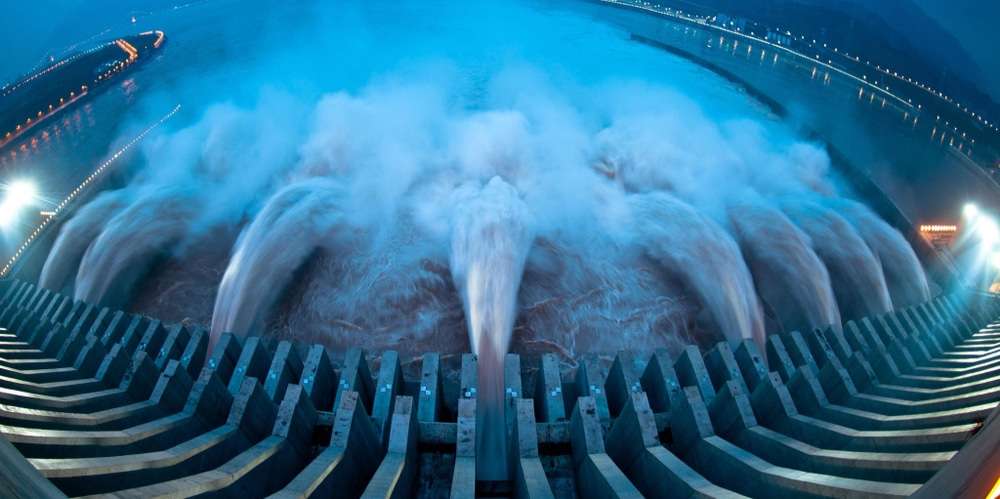
Building such a colossal dam in one of the world’s most seismically dynamic and flood-prone regions introduces an additional measure of uncertainty and potential hazard.
Geopolitical Implications and Water Security
Despite China’s assurances that the Motuo dam will cause “no negative impacts downstream,” officials in New Delhi and Dhaka remain wary. India, in particular, emphasizes the critical role of the Brahmaputra, with a senior water official warning against any upstream surprises. Control over water resources is increasingly emerging as a strategic tool.
Experts at the Institute of Chinese Studies in New Delhi argue that dominion over this river could significantly shift regional power dynamics. Although there is no confirmed plan by China to limit river flow, the capability itself provides leverage in broader political and environmental disputes.
- Categories:
- News







0 comments
Sign in to Comment