
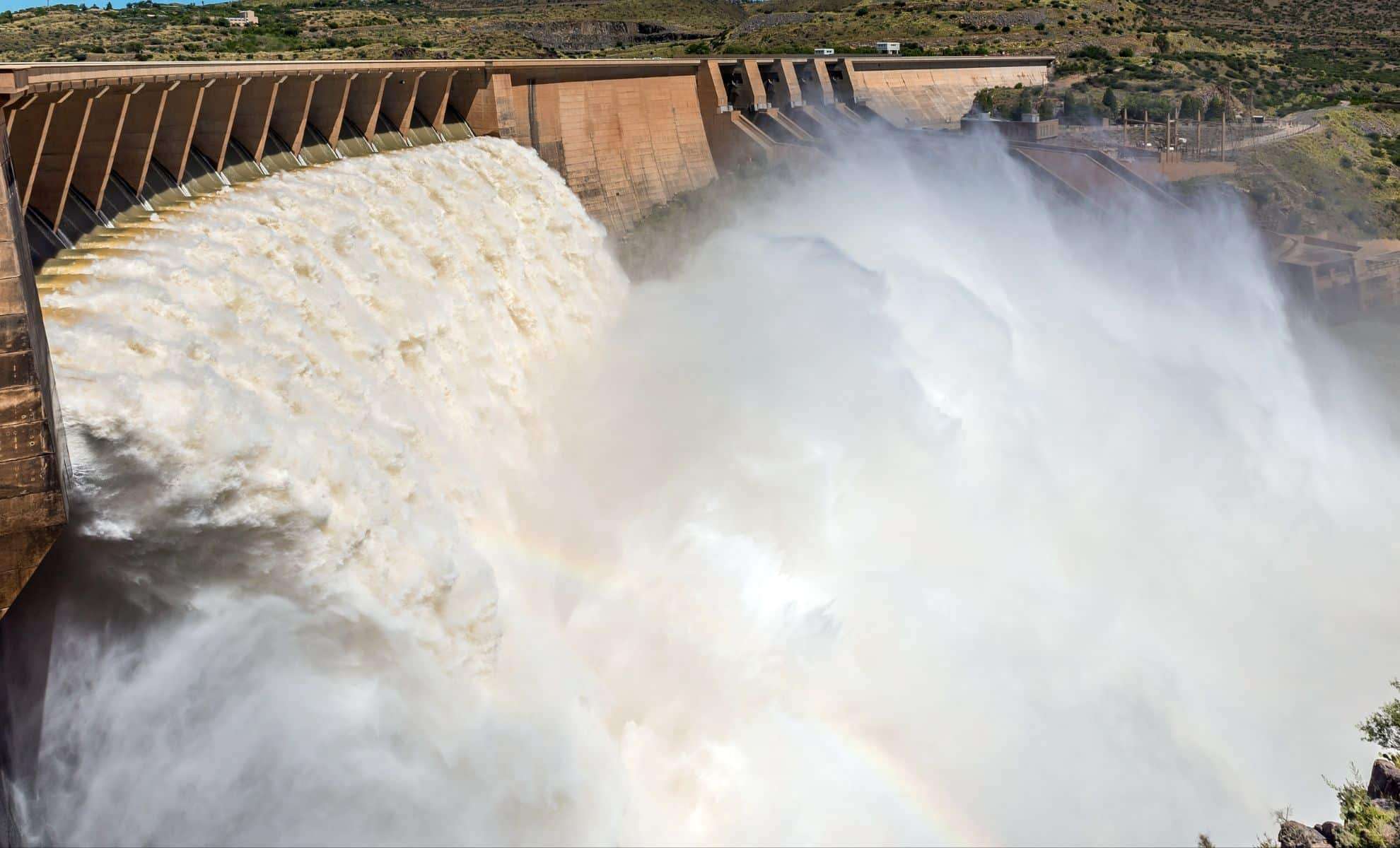
In Sichuan province's Aba Tibetan and Qiang Autonomous Prefecture, the Shuangjiangkou hydropower project has recently marked a crucial achievement. On May 1, 2025, the dam began its initial water storage phase, edging closer to becoming operational. This project, planned to be the tallest dam worldwide upon completion, represents a monumental engineering endeavor in renewable energy and infrastructure. As reported by the South China Morning Post, the dam aims to revolutionize power production and flood mitigation strategies in the area, with an estimated investment of roughly 36 billion yuan (about US$4.9 billion).
Standing at an impressive 315 meters (1,033 feet) tall once finished, the Shuangjiangkou dam will eclipse the current record-holder, Jinping-I dam, by 10 meters. This achievement underscores China's commitment to leading global infrastructure projects. Developed over nearly ten years, this facility is expected to have far-reaching effects not just within the region, but also on the global landscape of hydropower and flood control.
An Enduring Infrastructure Marvel
The hydropower installation is strategically positioned above the Dadu River, leveraging the topography flowing from the eastern Tibetan Plateau into the Sichuan Basin. This placement optimizes both flood management and renewable energy production. PowerChina, the state-owned enterprise spearheading the project, plays a pivotal role in expanding China’s energy infrastructure.

This large-scale project encompasses the dam structure along with supporting components like diversion channels, electricity generation facilities, and flood discharge mechanisms. Constructing such a massive dam in a seismically active and rugged terrain highlights the complexity and ambition behind this initiative. Once operational, it will substantially strengthen Sichuan’s hydroelectric network.
Currently, the initial phase of water retention has elevated the reservoir to 2,344 meters—80 meters above the natural river level—facilitating the completion of the dam’s infrastructure and setting the stage for power generation. The project exemplifies China’s expanding capabilities in engineering while advancing its sustainability and energy objectives.
Importance of the Shuangjiangkou Dam
This dam goes beyond ordinary hydropower projects by playing a key role in China’s efforts to decrease coal dependence and enhance renewable energy capacity. Hydropower, known for its clean energy production, is integral to China’s energy portfolio, which includes landmark projects such as the Three Gorges Dam. Shuangjiangkou will contribute powerful benefits like flood control, water storage, and regional climate stabilization, alongside bolstering the national grid.
It also reflects China’s ambition to be at the forefront of renewable energy development globally. As energy security and climate concerns intensify worldwide, large-scale ventures like this position China as a leader in sustainable energy infrastructure, while also fostering economic growth and job creation in the Sichuan region.
Nonetheless, this grand project raises environmental concerns, with critics highlighting the possible disruption to local ecosystems and displacement of communities. While promising flood management and clean power, ongoing monitoring of the dam’s environmental impact will be essential.
Overcoming Obstacles in Construction
Creating the tallest dam on the planet has presented numerous engineering and logistical hurdles. The remote and mountainous site demands innovative solutions to address challenging terrain, seismic threats, and restricted site access. This necessitated deploying cutting-edge engineering technologies, showcasing modern construction excellence.
Ensuring structural safety amid prevalent seismic activity has been paramount. The dam's design incorporates advanced materials and construction practices to withstand earthquakes and other natural hazards that could impact its stability.
Moreover, the scale and complexity have resulted in delays and higher expenditures. Taking nearly ten years to reach this stage reflects the inherent difficulty of executing such an immense infrastructure project in a remote and geologically complex area.
- Categories:
- News









0 comments
Sign in to Comment