
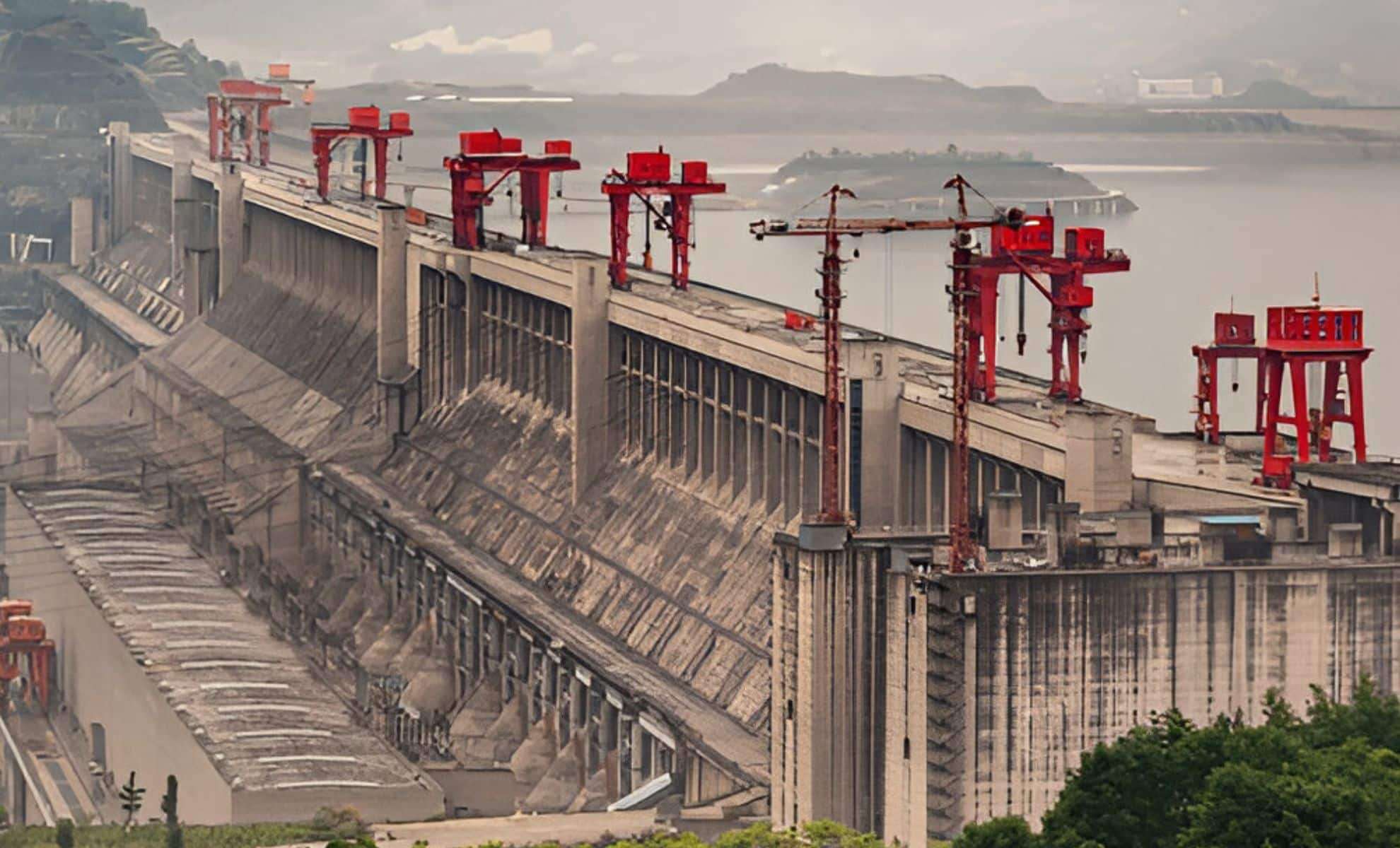
Situated in China’s Hubei province, a colossal engineering project intended to control natural forces may also be influencing the Earth's rotation. The Three Gorges Dam, renowned as the planet’s largest hydroelectric facility, represents a landmark in energy development and autonomy. However, new analysis from NASA reveals that the dam’s effect extends beyond its immediate vicinity, subtly shifting the dynamics of Earth’s spin, according to Economic Times.
The key to this impact lies in the dam’s vast reservoir, which stores up to 40 billion cubic meters of water. This massive redistribution of water shifts weight toward the equator, adjusting the Earth’s moment of inertia—a key factor determining rotational speed. Scientific calculations show this alteration extends the length of a day by about 0.06 microseconds. Although this change is minuscule, it illustrates how monumental human constructions can influence planetary physics.
The Hidden Power Beneath the Waves
The Three Gorges Dam, completed in 2012 after nearly 20 years of development, spans 2,335 meters across the Yangtze River and rises 185 meters above the water surface. It produces approximately 22,500 megawatts of electricity—outstripping the power generation of numerous countries—and plays a vital role in flood management. Yet it is the scale of the reservoir, rather than the dam alone, that attracted interest from NASA’s Goddard Space Flight Center researchers.

Among the leading voices, Dr. Benjamin Fong Chao, a geophysicist with NASA, has studied how significant water mass movements influence Earth’s rotation. Inspired by observations from major seismic events like the 2004 Indian Ocean earthquake—which shortened Earth’s day by 2.68 microseconds—Chao identified that human-made changes, including those caused by the Three Gorges reservoir, also affect rotation rates, though on a smaller scale.
“Redistributing mass within the Earth system impacts planetary rotation,” Chao noted. “Though 0.06 microseconds per day is almost imperceptible, it is nonetheless a detectable effect from this redistribution.”
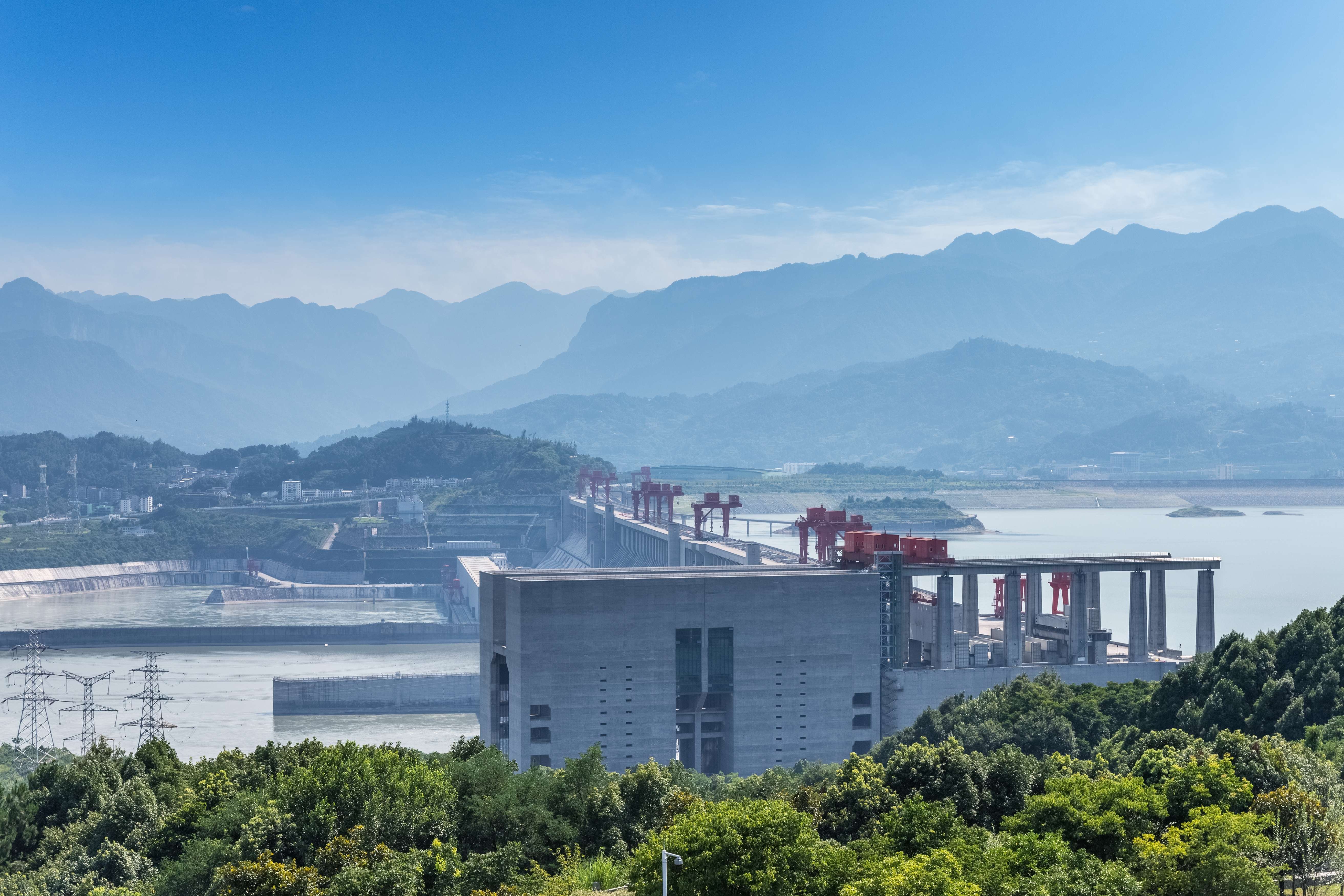
Observing Earth's Tiny Rotational Shifts
Understanding the mechanism is straightforward. Concentrating mass near the equator slows a rotating object, while shifting it toward the poles accelerates rotation. The Three Gorges reservoir lies around 30.8 degrees north latitude—sufficiently distant from the poles to impact Earth’s spin, akin to how a spinning figure skater slows down by extending their arms.
This is not an isolated phenomenon; NASA and other institutions have documented how variations in mass distribution due to glacial melt and groundwater use induce minute geophysical changes. For instance, between 1993 and 2010, withdrawing over 2,000 gigatonnes of groundwater caused the planet’s rotational axis to drift about 80 centimeters eastward.

From Regional Megastructures to Global Impacts
Similar effects may arise from other large-scale projects worldwide. Hydroelectric plants such as Brazil’s Itaipu Dam and the American Hoover Dam contain massive volumes of water, though none equal the Three Gorges reservoir’s nearly 40 cubic kilometers—roughly equal to 16 million Olympic-sized swimming pools.
While the idea that humanity’s creations influence Earth’s mechanics is not novel, the magnitude of this influence is unprecedented. The Three Gorges Dam exemplifies how efforts to harness natural resources can also subtly alter global systems.
These insights encourage future infrastructure planning to account for not only local environmental effects but also long-term planetary consequences. Dr. Chao summarized, “The dam’s impact on Earth’s rotation is subtle yet unavoidable.”
- Categories:
- News









0 comments
Sign in to Comment