
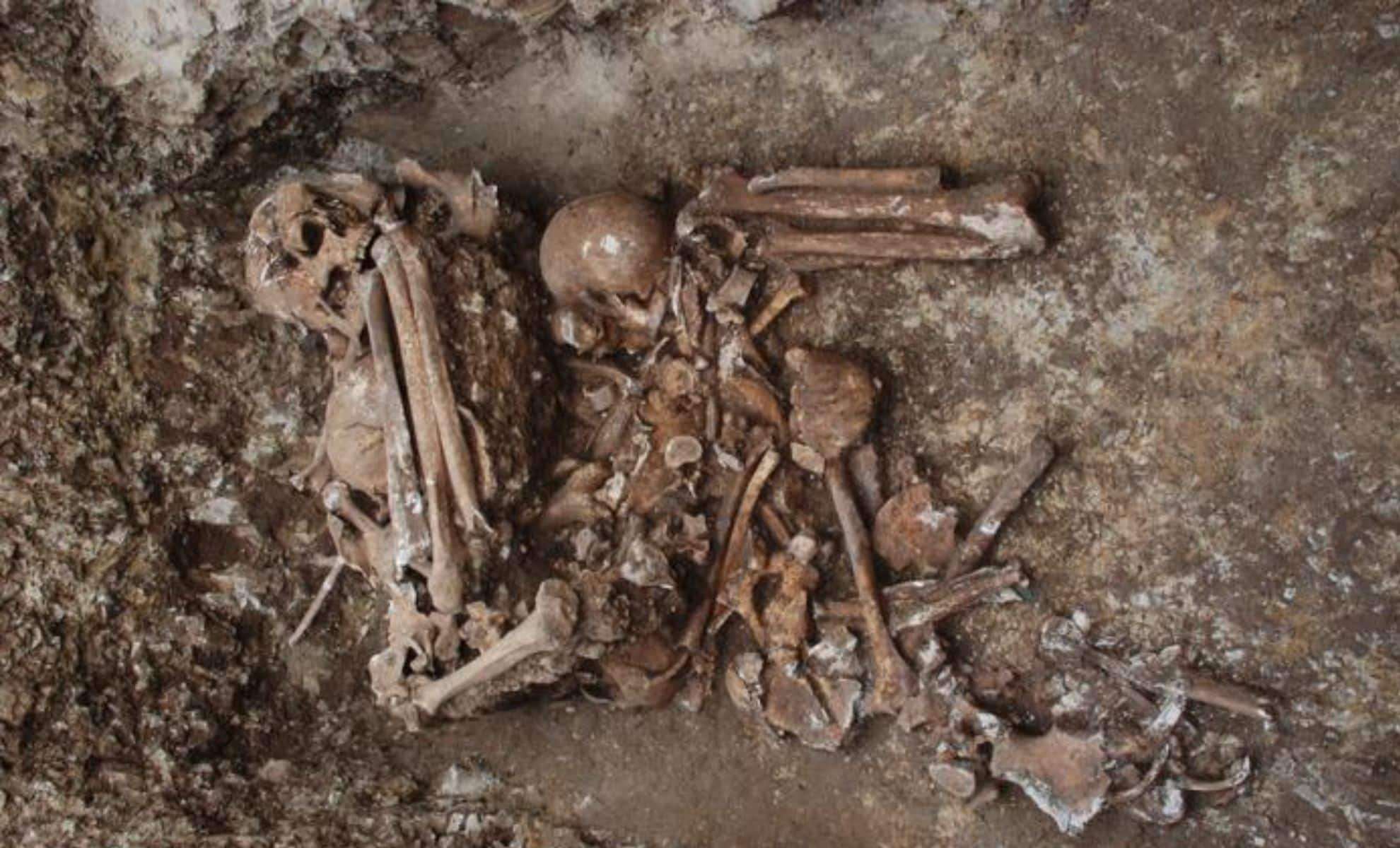
Recent genetic research has identified an ancient, previously unidentified human lineage in southwestern China, shedding new light on the origins of Tibetan ancestry. This groundbreaking insight stems from the analysis of a 7,100-year-old skeleton, revealing a so-called “ghost” population—an elusive group inferred solely through sophisticated DNA studies rather than physical fossil evidence.
Discovering Ancient Roots in Yunnan
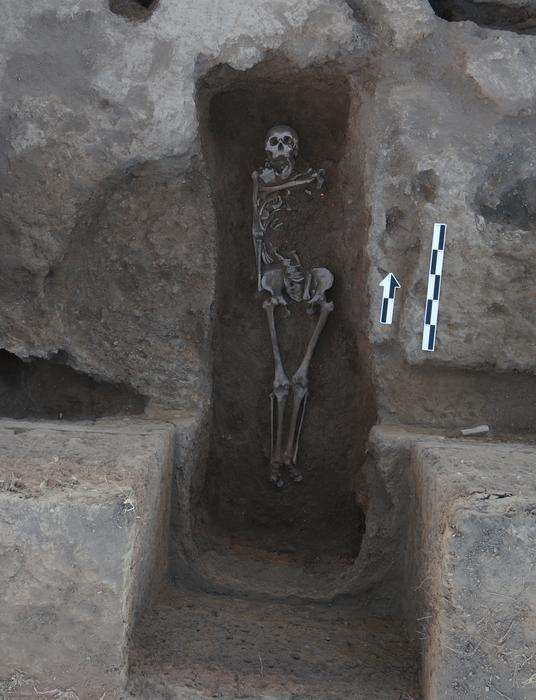
The pivotal remains were uncovered at the Xingyi archaeological site in Yunnan province, an area renowned for its cultural and linguistic variety. The skeleton belonged to a woman, now referred to as Xingyi_EN, found at the deepest burial layer among multiple Neolithic to Bronze Age graves. Her burial contained no grave goods, consistent with isotope studies that indicated a hunter-gatherer diet.
Carbon dating placed her existence at approximately 7,100 years ago during the Early Neolithic era. What captivated scientists was her genome, which markedly differed from present-day East and South Asian populations. Instead, her genetic makeup resembled a deeply divergent lineage long hypothesized but never previously documented through fossil DNA.

The Hidden Ancestor in Our Genes
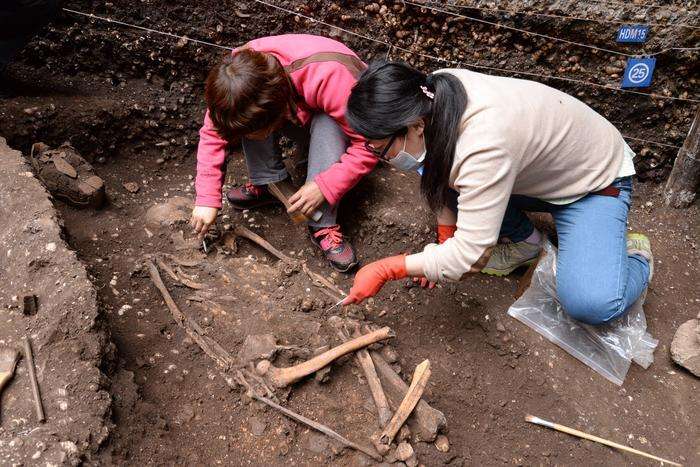
Published on May 29 in Science, a study led by paleontologist Qiaomei Fu from Beijing’s Institute of Vertebrate Paleontology and Paleoanthropology investigated 127 ancient genomes from Yunnan, spanning a timeline of 1,400 to 7,150 years ago. These samples provided a remarkable glimpse into prehistoric genetic diversity across East and Southeast Asia.
Fu’s team found that Xingyi_EN stands out as a genetic anomaly, representing a “missing link” bridging early human groups to a lineage connected to Tibetan ancestry controversies. Her untouched genome showed no evidence of mixing with other populations for millennia, suggesting extensive isolation. This allowed the Basal Asian Xingyi lineage to retain a uniquely distinct genetic profile.
Later, this isolated lineage seemingly interbred with various East Asian populations, contributing to the genetic mosaic of modern Tibetan groups. “This mixed genetic heritage has persisted over a long period and influences some Tibetan populations today,” Fu stated in correspondence with Live Science.
A Singular Genome and Future Prospects
Despite the significant findings, researchers caution that Xingyi_EN currently represents the sole individual from this mysterious lineage. This limits the broader understanding of the population’s genetic diversity. “There were probably more individuals from this lineage, but their DNA remains undiscovered,” Fu remarked.
This revelation paves the way for new insights into the complex genetic history of East Asia and particularly clarifies the origins of Tibetan ancestral lines. Scientists believe that Yunnan’s ancient populations could be key to resolving many questions surrounding ancient human migrations and interactions across Asia.
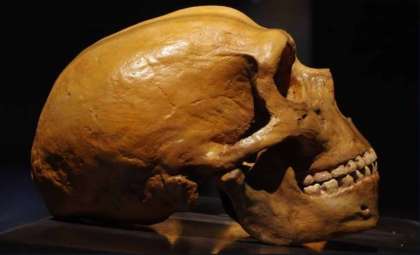
Findings from Xingyi_EN add a crucial chapter to human evolution, showing an unknown lineage diverged from other humans at least 40,000 years ago. Unlike well-known archaic contributors such as Neanderthals or Denisovans, this lineage represents a distinct branch in our evolutionary history.
Researchers emphasize that continuing extensive genetic sampling in this region is vital to validate these results and to fully comprehend how this ghost population influenced the genetic makeup of present-day humans.
- Categories:
- News








0 comments
Sign in to Comment