
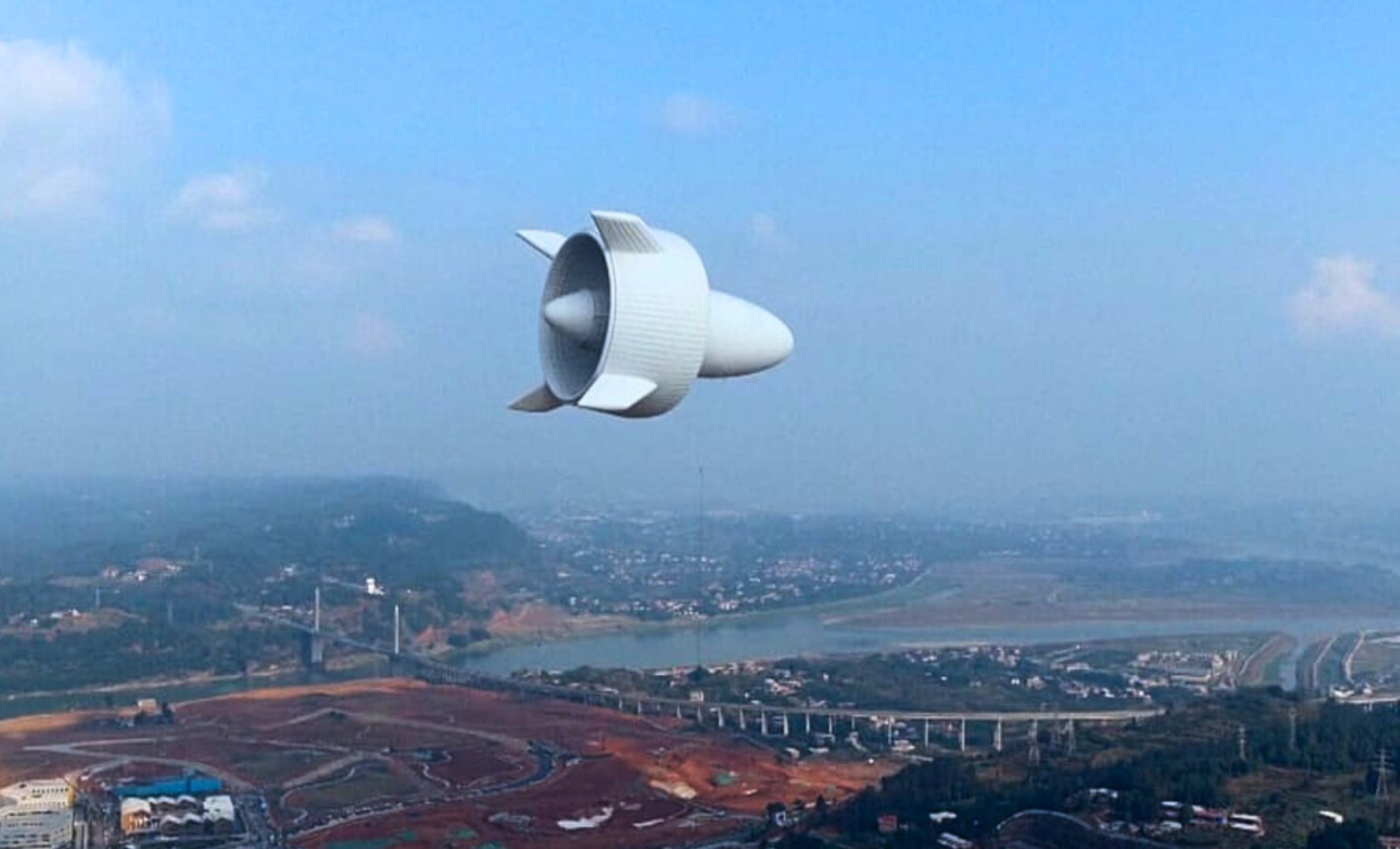
In Yibin, engineers witnessed a large helium-filled craft ascend over Southwest China's terrain. Unlike typical aircraft designed for transport, this silver vessel remained tethered to the ground by a robust cable. Named the S2000, it represents a novel approach to aviation, aimed at capturing wind energy high above the Earth’s surface.
The airship maintained its flight for several hours, ascending to 2,000 meters. At these heights, wind currents possess greater strength and stability compared to near-ground levels. Equipped with specialized technology, the craft harnessed the kinetic energy from persistent winds while remaining stationary. The trial was conducted to validate a megawatt-scale system capable of operating safely when anchored to a ground base.
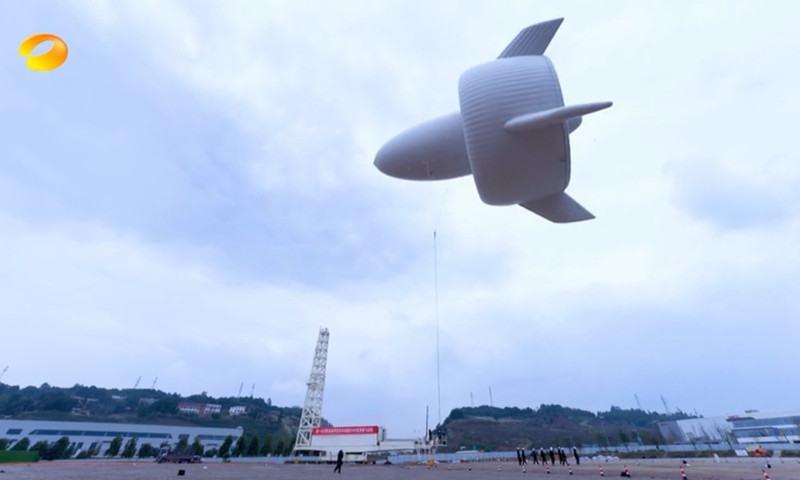
During this flight, the airship reached an altitude of 6,560 feet. The team at Beijing Linyi Yunchuan Energy Technology closely observed the craft’s stability amid varied wind conditions, examining the tether’s tension resilience and the conversion efficiency of airborne motion into electric power. As noted by Interesting Engineering, the vehicle remained steady throughout the ascent and stationary phases.

Utilizing winds at elevated heights
The airship results from collaboration between a private company and multiple research bodies. Functioning as a wind turbine in the sky, it gains lift from its helium-filled envelope, enabling access to high-altitude wind streams where energy density far surpasses that available to ground-based turbines.
Weng Hanke, the firm’s chief technology officer, clarified that the craft incorporates a lightweight generator system. Several power units on board spin as the wind flows through, channeling electricity through a durable tether down to the terrestrial station. The latest trial successfully produced electrical power indicative of the system’s potential for broad utility-scale deployment.
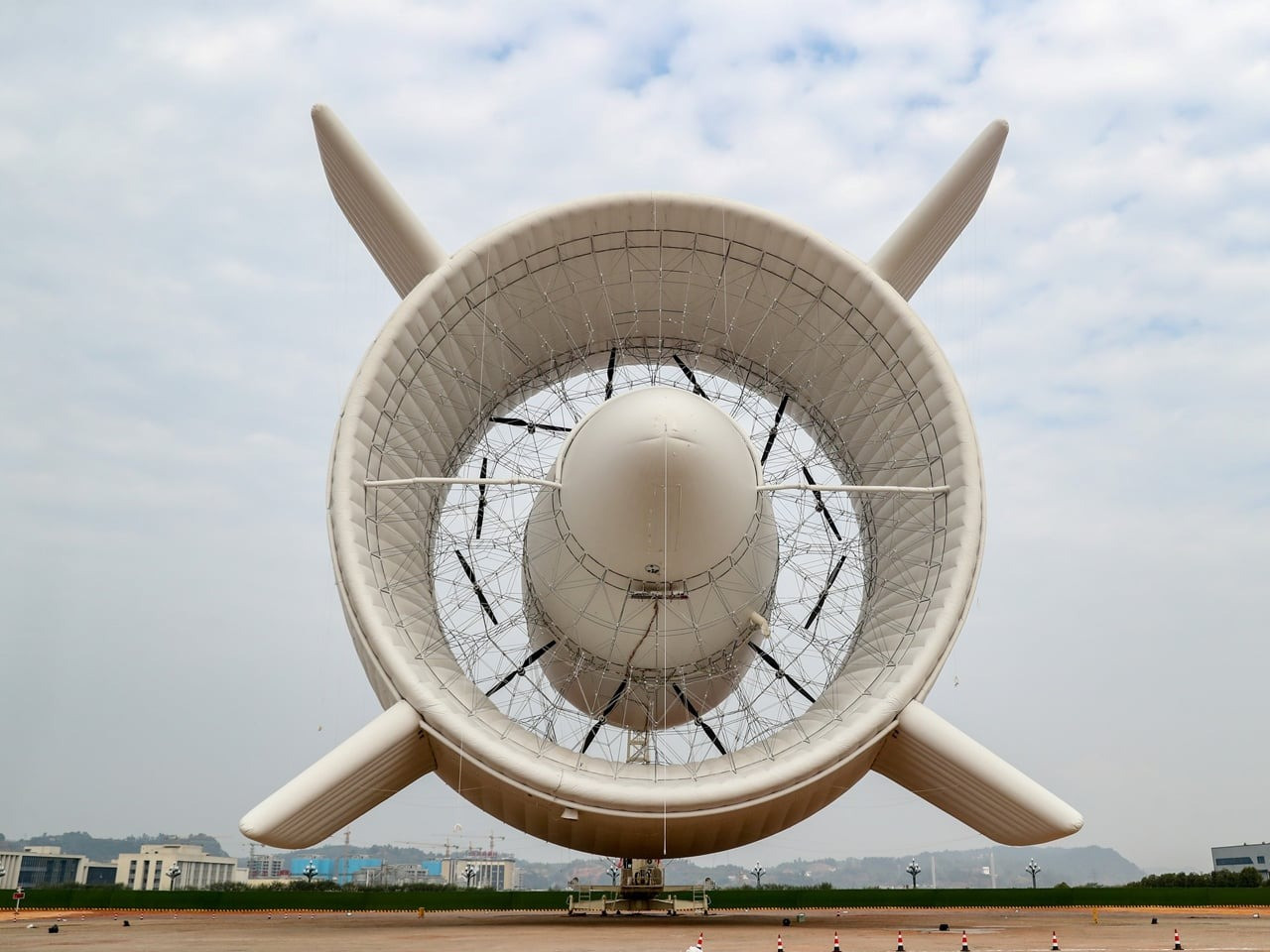
Live Science reports that during its operational window, the system generated roughly 385 kilowatt-hours of power. According to the U.S. Energy Information Administration, an average American residence consumes about 899 kWh monthly, implying that the flight’s output could run a typical household for close to two weeks. The team highlighted that 2,000-meter altitude winds provide more dependable energy than surface-level breezes.
Challenges in airborne wind turbines
Maintaining a massive airborne vessel involves numerous engineering complexities. The craft must balance its weight against helium buoyancy to reach the optimal heights where winds are strongest. The company engineered a high-voltage power transmission system to minimize energy loss while transferring electricity through the tether.
Atmospheric conditions are another critical factor affecting performance. During the Sichuan test, the airship endured abrupt wind gusts and pressure changes. The tether doubles as a lifeline to prevent drift and as the electrical cable. Given the envelope’s large surface, this line needs exceptional strength to resist the aerodynamic forces at play.
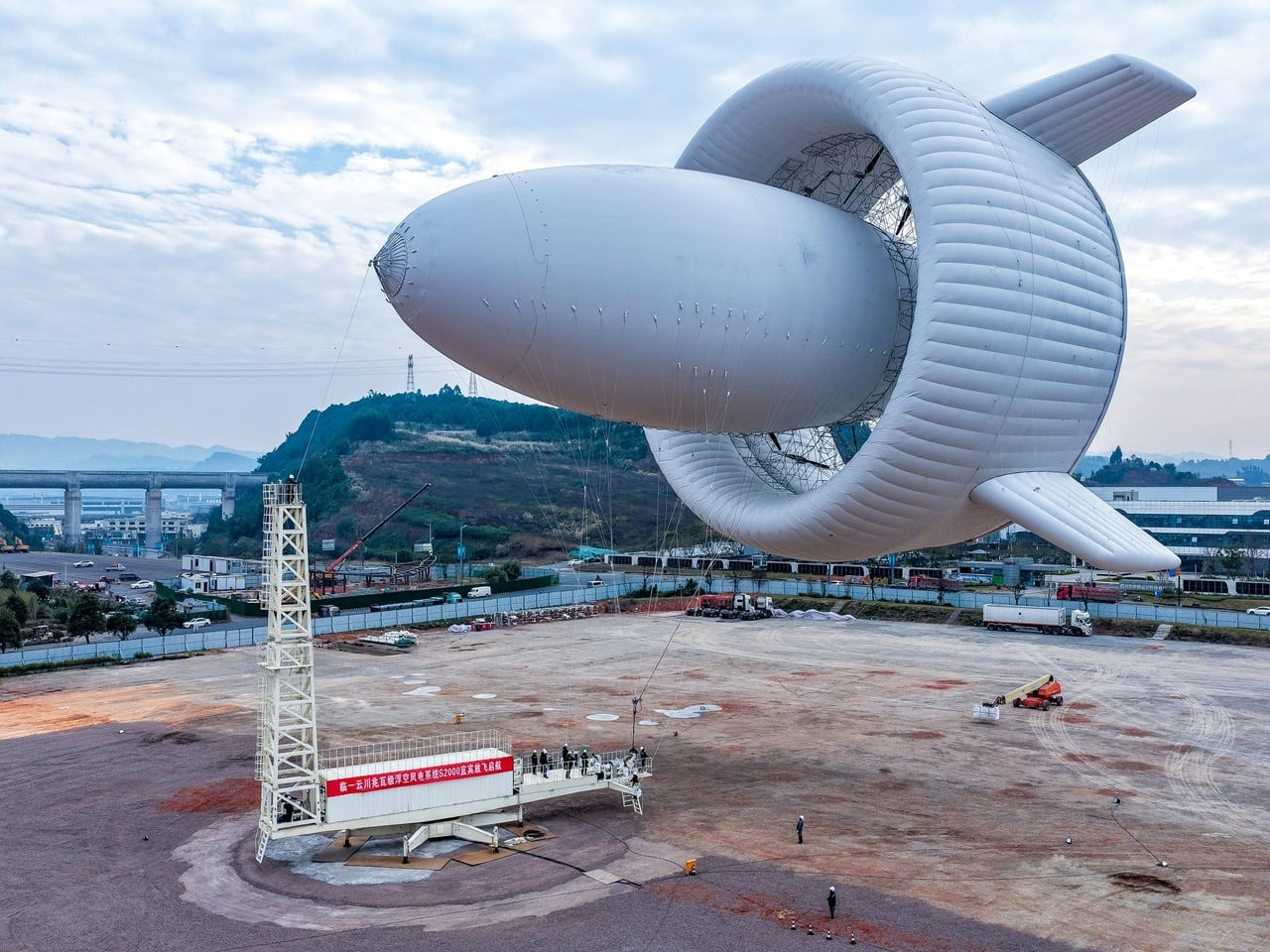
As quoted by the Global Times, Weng Hanke remarked, “One application is for off-grid locations like border posts, providing a stable conventional energy source.” The research showed the craft’s controllability even amid shifting wind directions, a crucial factor for steady electricity supply to grids. Ongoing investigations focus on the system’s durability against prolonged exposure at high altitudes.
Expanding the airborne power concept
This landmark flight demonstrates that atmospheric air currents at high altitudes can serve as a powerful resource for renewable electricity. By reaching 2,000 meters, the system taps winds unobstructed by terrain features. Future improvements aim to enhance the airship’s aerodynamic efficiency to extract even more energy.
One major objective is to deliver electricity to isolated locations where traditional power infrastructure is impractical. The mobile design allows redeployment based on seasonal or regional demand. The Aerospace Information Research Institute is exploring the coordination of multiple units in a single area to boost overall energy output.
The Sichuan test represented the inaugural deployment of a system with this capacity at such an altitude. Data collected at 2,000 meters will drive upcoming enhancements. Researchers are currently reviewing the effects of wear on carbon fiber parts and assessing generator performance. The flight lasted about 30 minutes, attaining a peak altitude of 2,000 meters above ground level.
- Categories:
- News






0 comments
Sign in to Comment