
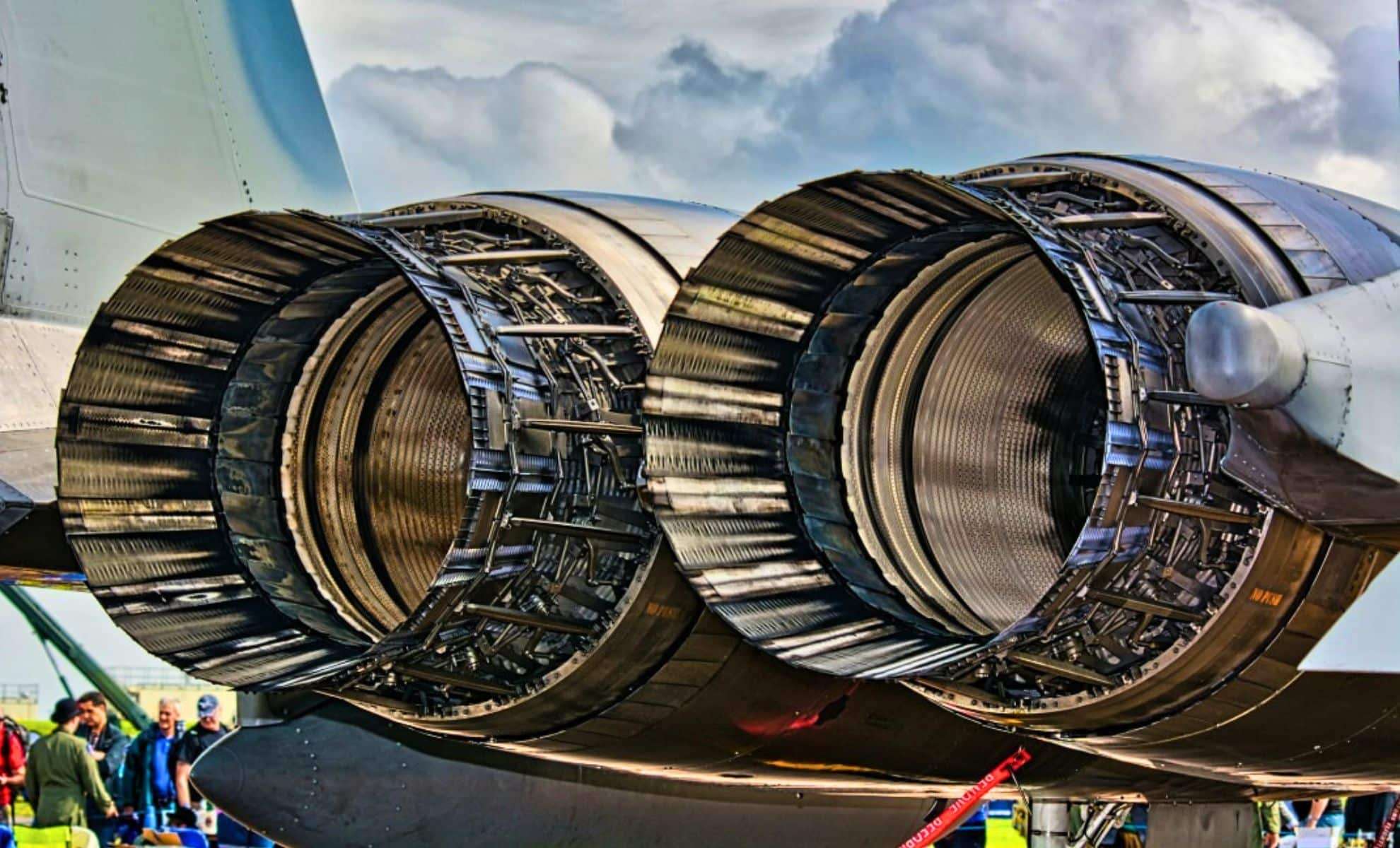
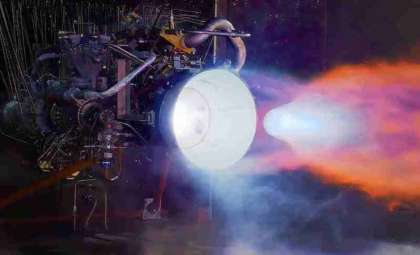
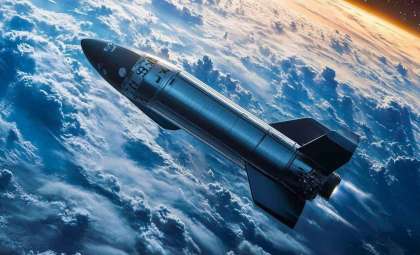
China has introduced a cutting-edge hypersonic engine that promises to drastically shorten long-distance air travel, reaching velocities near Mach 16, or about 20,000 km/h (12,250 mph). This technological breakthrough could transform aerospace capabilities.
Engineered at the Beijing Power Machinery Institute, details of this innovative propulsion system appear in the Journal of Propulsion Technology. Experts report that the design achieves enhanced fuel efficiency and operational stability compared to earlier hypersonic engines, addressing key previous limitations.
Advancing Far Beyond Traditional Supersonic Speeds
While supersonic jets like the Concorde once heralded new speed frontiers, their efficiency issues capped their commercial viability. This new engine significantly surpasses Mach 2 velocities, bringing sustained hypersonic flight to the forefront.

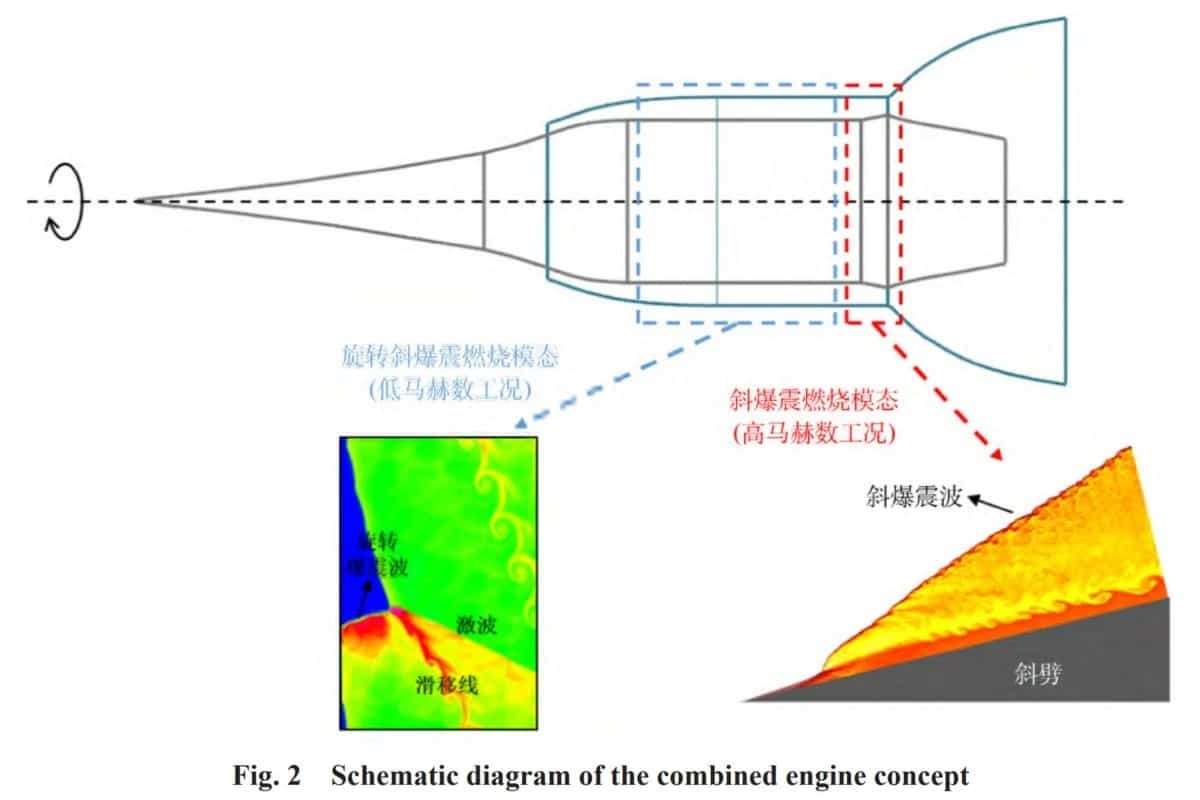
Functioning roughly 30 kilometers (18.6 miles) above the Earth’s surface, it employs a dual-mode detonation mechanism. Up to Mach 7, it uses a rotary detonation mode that continuously combusts fuel with shockwaves more efficiently than conventional jets. When surpassing Mach 7, the engine switches to oblique detonation mode to maintain high-speed thrust with improved stability.
Researchers highlight this method could enable energy conversion efficiencies as high as 80%, vastly outperforming standard engines, which usually peak at 20–30%. By tackling fuel use and stability issues, this engine moves hypersonic travel closer to real-world application.
Transforming International Travel
If integrated into commercial fleets, this technology could shrink flight durations dramatically. Trips such as Paris to New York might take under an hour, while journeys from London to Sydney could be cut down to 90 minutes from the typical 22 hours.
The innovation also holds promise for rapid freight movement, revolutionizing international logistics by enabling near-instant global cargo delivery, which could reshape supply chain dynamics and global commerce.
Such speed could relieve logistical constraints, benefiting industries reliant on swift shipping, including pharmaceutical distribution and advanced manufacturing sectors.
Implications for Defense and Security
The military potential is profound. Vehicles capable of Mach 16 speeds would outpace current air defense technology, posing a significant challenge for defense systems worldwide.
Hypersonic craft operate at speeds that render conventional radar tracking and interception virtually ineffective.
China’s advances intensify the ongoing global competition among powers like the United States, Russia, and Europe, all racing to develop superior hypersonic capabilities.
This leap in speed and stealth could alter warfare fundamentally, requiring nations to reconsider defense architectures and deterrence strategies.
Technical Obstacles and the Road Ahead
Despite its promise, hypersonic aviation faces substantial hurdles before becoming practical. The extreme heat and pressure at Mach 16 demand sophisticated thermal shielding to protect aircraft integrity during flight.
Advanced materials must be engineered to withstand these conditions, alongside effective cooling systems to maintain structural strength.
Controlling and stabilizing the shockwaves generated remains a significant engineering challenge, with prior detonation engines struggling in this area. Continued refinement is essential to ensure reliable operation at various speeds.
Cost is another critical factor. Although theoretically more fuel-efficient, building economically viable aircraft capable of sustaining such speeds remains complex. High development and operational expenses could delay widespread commercial use for years.
- Categories:
- Aircraft








0 comments
Sign in to Comment