
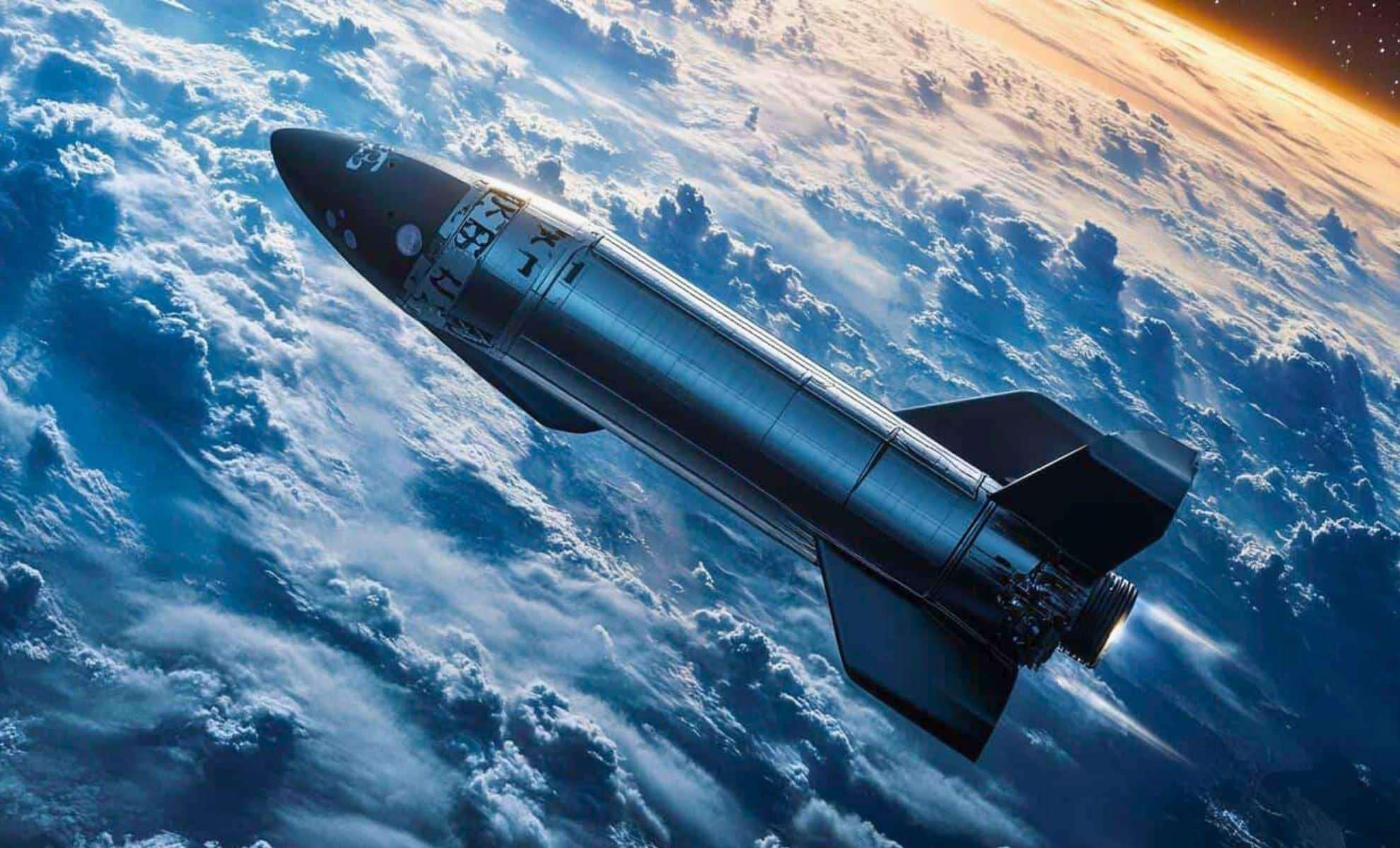
Elon Musk and his aerospace company SpaceX have unveiled an ambitious vision to drastically reduce travel durations between major metropolitan areas. Their state-of-the-art rocket, Starship, originally developed for space exploration, is being repurposed to enable unprecedented rapid Earth travel, such as flying from London to New York in approximately 29 minutes.
Transforming Intercontinental Travel
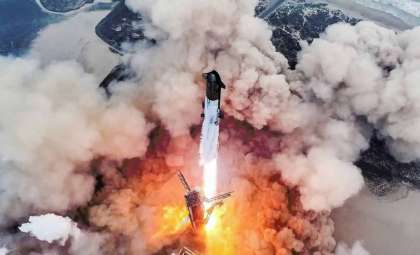
Not just intended for journeys beyond our planet, Starship stands as the most powerful rocket built to date. SpaceX plans to leverage this technology to revolutionize terrestrial transport, aiming to connect any two global destinations in under an hour. This initiative could fundamentally alter our approach to long-distance flights.
Key Highlights of Starship’s Earth-to-Earth Travel:
- Maximum Velocity: Reaching speeds of 27,000 km/h, which is nearly 25 times faster than standard passenger aircraft.
- Sample Flight Durations:
- London to New York: 29 minutes
- New York to Paris: 30 minutes
- Honolulu to Tokyo: 30 minutes
- Tokyo to Delhi: 30 minutes
- Sydney to Singapore: 31 minutes
- LA to London: 32 minutes
- London to Hong Kong: 34 minutes
- London to Cape Town: 34 minutes
- Sydney to Delhi: 36 minutes
- New York to Sydney: 49 minutes
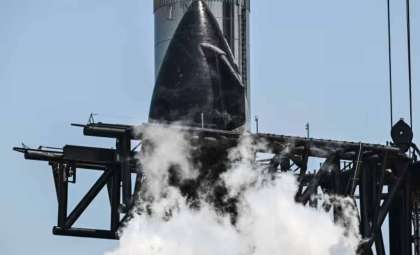
Launching will take place from an offshore platform, requiring passengers to first access the site by boat before boarding the Starship for a supersonic voyage. This method minimizes launch logistics and addresses noise concerns that typically arise from rocket launches near populated regions.


An Exhilarating, High-Velocity Journey
Regarding comfort and passenger safety during such rapid transit, Elon Musk has likened the experience to a roller coaster, emphasizing a thrilling yet secure ride that keeps travelers seated throughout. A restraint system, similar to that used on Disney’s Space Mountain roller coaster, would safeguard passengers during the high-speed launch and landing phases.
Musk also noted that typical flights could last from 15 to 20 minutes, with some very short routes potentially taking less than 5 minutes. Given Starship’s velocity, this mode of transport would resemble riding a hypersonic missile that gently touches down on the other side of the globe.
Technical Details
The introduction of this ultrafast transportation system carries wide-ranging implications. Dramatically reduced travel times could boost tourism, streamline international business, and possibly decrease the environmental footprint compared to conventional airliners, owing to Starship’s advanced efficiency. Nonetheless, several challenges are ahead.
Potential Obstacles and Concerns
- Regulatory Hurdles: Achieving approval for routine Earth-to-Earth spaceflight involves navigating intricate international laws and aviation authorities, including the Federal Aviation Administration (FAA) in the U.S. Musk has suggested that progress might depend on future presidential administrations, though this remains uncertain.
- Ensuring Passenger Safety and Comfort: Traveling at Mach 25 presents unique safety and physiological challenges. Developing technology that guarantees smooth acceleration and deceleration, while minimizing g-force impacts, is critical especially for passengers unfamiliar with high-speed space travel.
- Pricing and Accessibility: Initially, flight costs are expected to be steep, which could restrict availability to affluent customers. Over time, with refinement and scaling, affordability may improve, increasing access to hypersonic travel.
Redefining Global Connectivity
SpaceX’s vision with Starship might herald a groundbreaking chapter in rapid intercontinental travel, dramatically shrinking distances and revolutionizing how people interact worldwide. Although regulatory, technical, and economic challenges remain, the opportunity to reach major cities such as London, Sydney, or Paris in less than an hour offers a captivating look at the near future of transportation.
- Categories:
- Aircraft ,
- Tech







0 comments
Sign in to Comment