
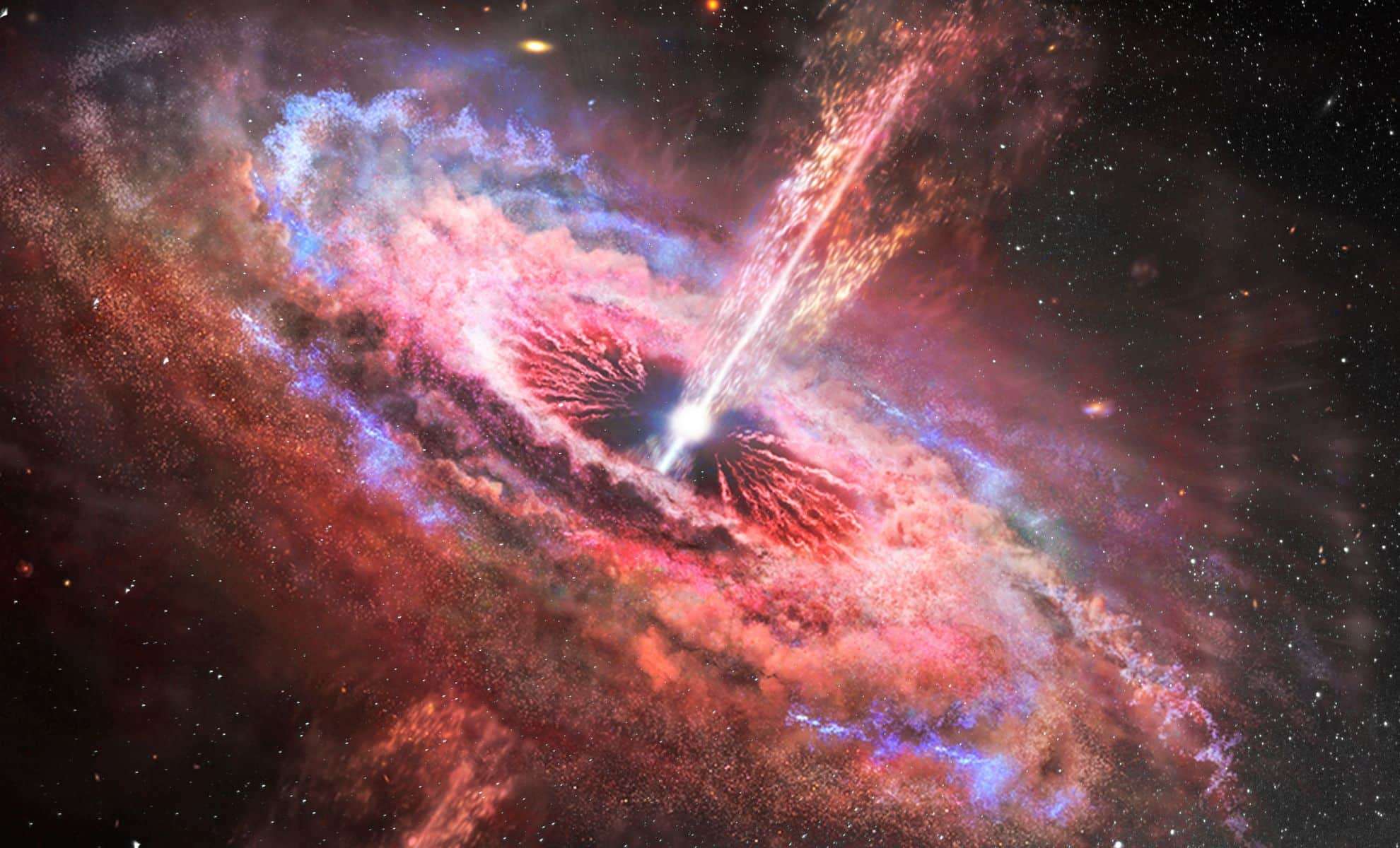
Astronomers have witnessed material accelerating toward a black hole at near light speed, providing strong evidence for a major aspect of Einstein’s general relativity.
This breakthrough uncovers a specific zone surrounding black holes where matter ceases stable orbiting and instead falls directly inward, offering fresh perspectives on space-time and the intense gravitational environments near black holes.
Confirming the Infall Region Predicted by Theory
Einstein's 1915 theory of general relativity theorized that matter nearing a black hole would be compelled by immense gravity to abandon any circular orbit and plunge inward.

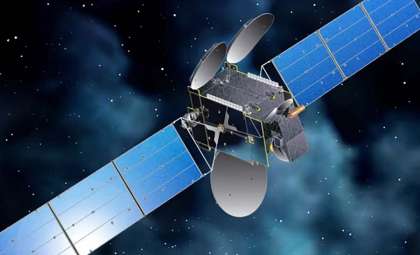
Recent X-ray data from NASA’s NuSTAR and NICER satellites have now confirmed this “plunging region.” Studying this zone provides scientists with critical clues about the nature of black holes and the fabric of space-time under extreme gravity.
Key Observations and Data
The telescopes focused on MAXI J1820+070, a black hole about 10,000 light-years away. Analysis of the X-rays from the hot accretion disk around it revealed important details.
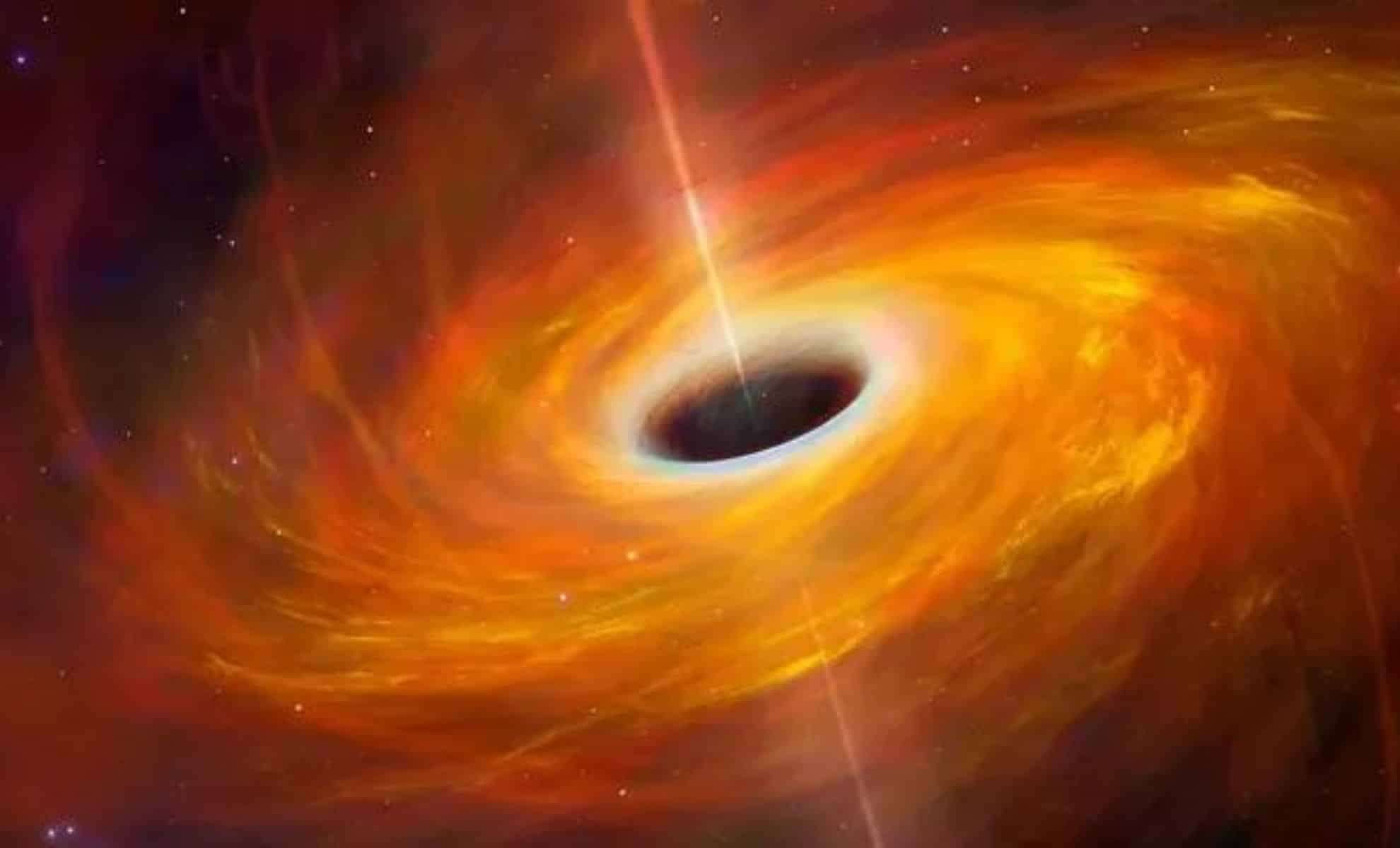
Mathematical modeling of the X-ray signals only matched observations when emissions from matter in the plunging zone were included, verifying this final stage where star debris irreversibly falls into the black hole.
Advancing Black Hole Research
Identifying the plunging region confirms a vital aspect of Einstein’s predictions and offers a new window into black hole mechanics. This area lies just outside the event horizon, the boundary beyond which nothing escapes.
Examining radiation from this region allows unprecedented insights into extreme gravitational conditions. It also helps resolve discrepancies in X-ray astronomy concerning black hole spin rates by accounting for additional radiation from matter in the plunging space.
Deepening Understanding of Black Hole Dynamics
This finding not only corroborates general relativity but also enhances our understanding of how matter behaves under extreme gravity near black holes. Observing this transition from orbiting to swift infall is essential for grasping black hole growth and interaction with surrounding environments.
The light emitted here reveals the intense warping of space-time just outside the event horizon, refining accretion models and clarifying how black holes gather mass and affect their cosmic neighborhoods—crucial to theories of galaxy formation.
Future Directions in Technology and Exploration
New observational methods targeting the plunging region will drive future breakthroughs. Advanced X-ray observatories and high-energy instruments will be vital for exploring extreme cosmic locales like neutron stars and quasars.
Insights from this research may also influence the development of upcoming missions focused on black hole environs. By better understanding matter dynamics near these objects, scientists can design improved instruments to capture high-resolution data, pushing knowledge of the universe’s most intense forces forward.
Continuous investigation into black holes and their mysterious zones is expanding our astrophysical horizons, fostering innovation and deepening our comprehension of these powerful cosmic phenomena.
- Categories:
- Astronomy ,
- News ,
- Space ,
- Physics






0 comments
Sign in to Comment