
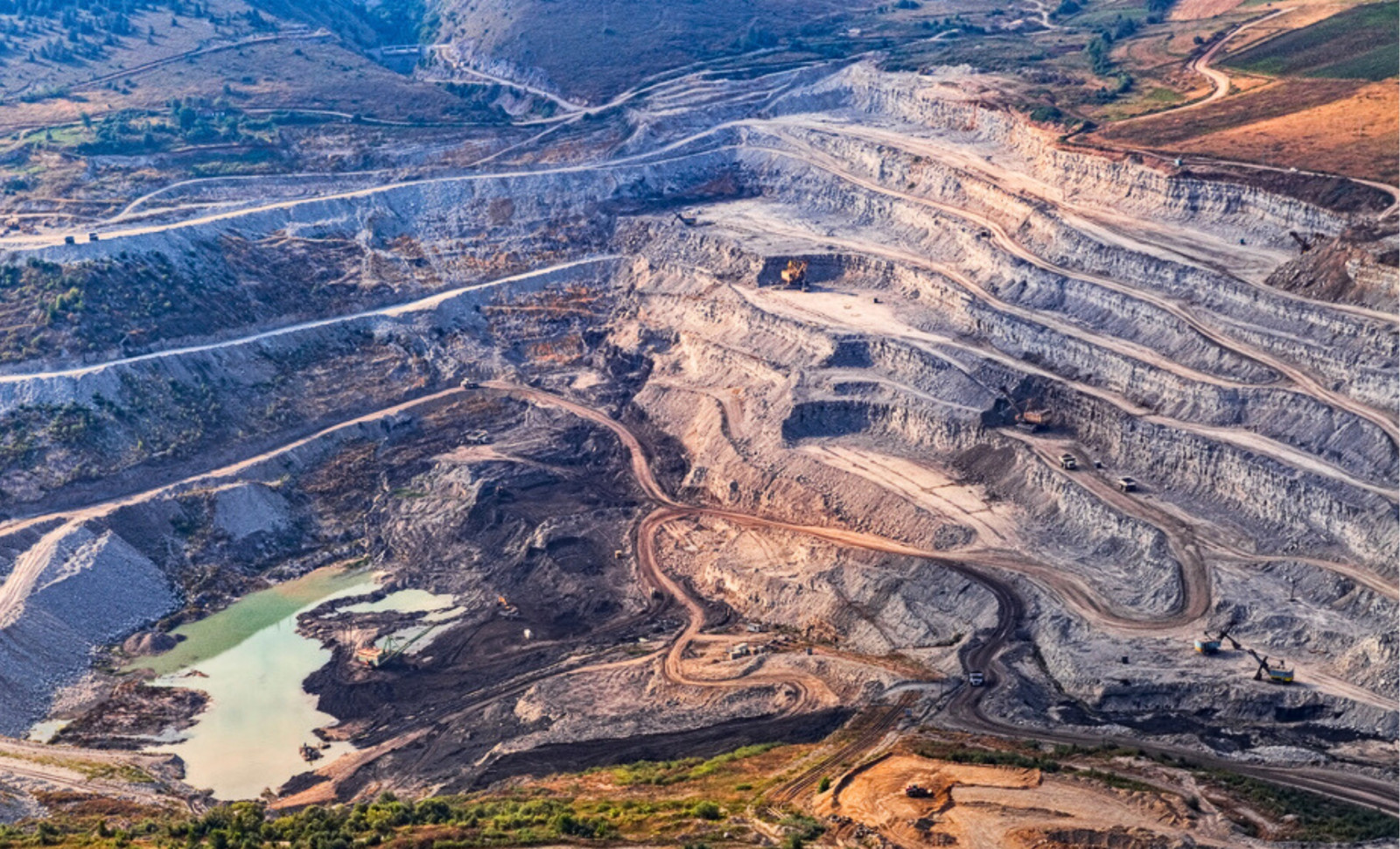
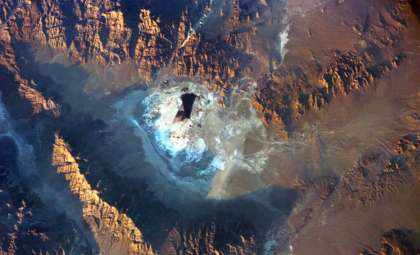
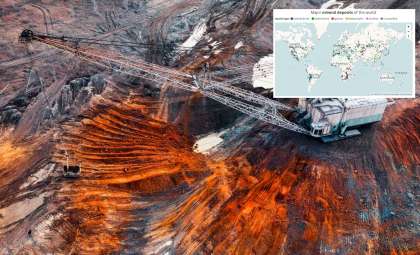
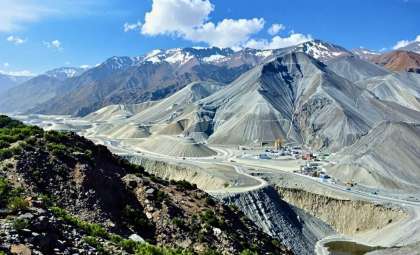
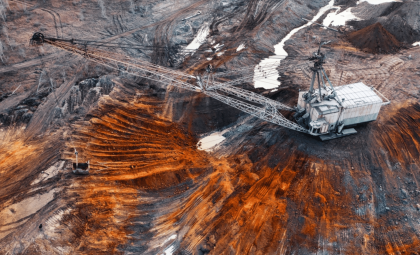
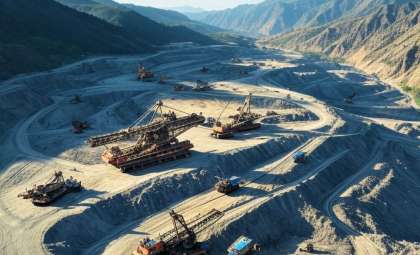
In Mianning county, Sichuan province, the Maoniuping mine has long been recognized by geologists as a significant source of rare earth minerals. These resources have played a crucial role in supplying essential minerals to technology centers across Asia, Europe, and North America.
Recent surveys conducted earlier this year revealed that the mine’s rare earth oxide reserves are even larger than previously estimated, bringing the total verified amount to 10.4 million tons. This alone would be noteworthy in the mining world.
The newly confirmed 9.7 million tons of rare earth elements follow China's established pattern of extensive geological research, which has carefully mapped deposits of the 17 elements vital for sectors ranging from electric vehicles to advanced defense technologies.

However, what truly captured analysts' attention was not just the increase in rare earth volumes. The survey uncovered two other massive mineral deposits that hold significant industrial importance, as reported by Interesting Engineering.
The Minerals That Surprised Experts
Wang Denghong, head of the Institute of Mineral Resources at the Chinese Academy of Geological Sciences, highlighted the additional fluorite and baryte deposits as the standout findings. “The fluorite and baryte reserves are the truly remarkable parts of this discovery,” Wang remarked, as covered by the South China Morning Post.
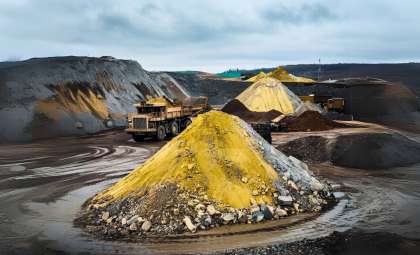
The scale is striking: survey teams identified 27.1 million tons of fluorite, crucial for semiconductor fabrication and lithium-ion battery manufacture. The deposits also included 37.2 million tons of baryte, which is essential for oil and gas drilling operations.
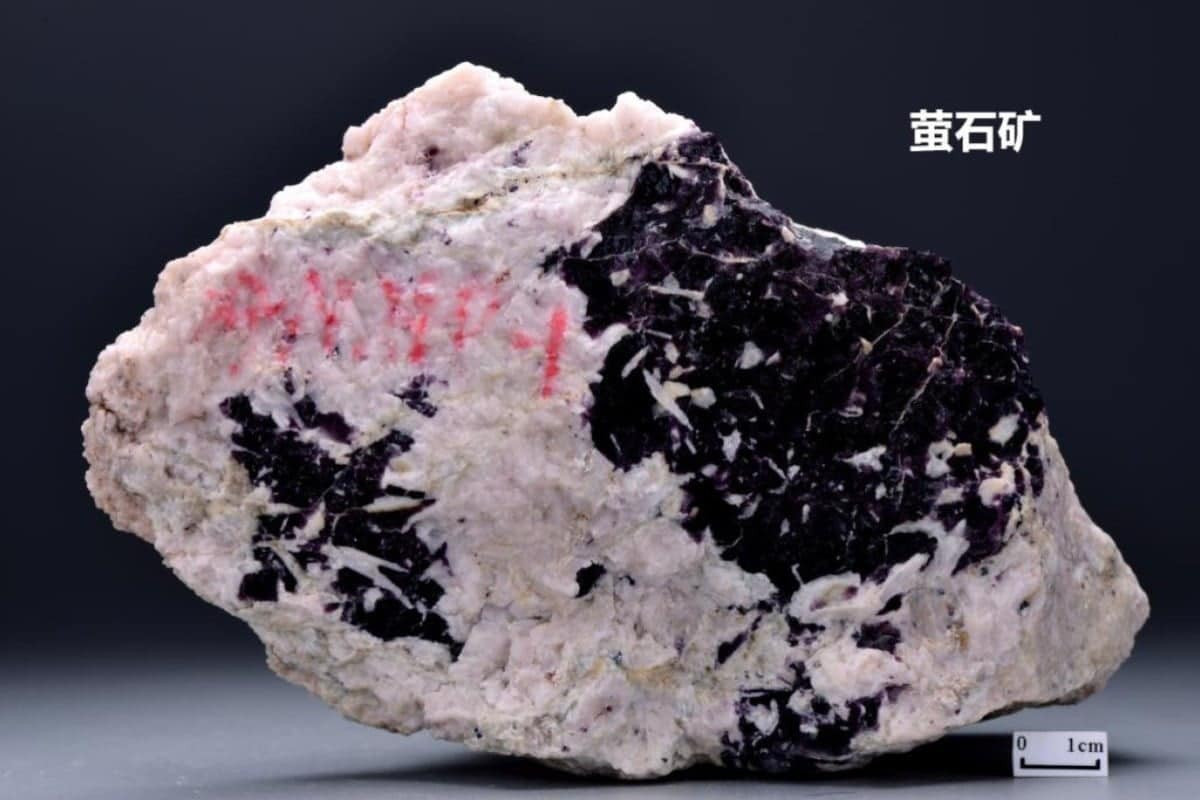
Fluorite, or fluorspar, is the primary industrial source of fluorine. This mineral plays a vital role in manufacturing, with semiconductor producers relying on fluorine for etching silicon wafers and battery manufacturers incorporating fluorinated compounds into electrolytes. The vast reserves in Sichuan reinforce China’s leading global position in fluorite supply, enhancing its strategic leverage.
A Key Mineral for Oil Industry Safety
Baryte may not often feature in discussions about clean energy or defense, but its importance in oil and gas extraction is immense. Its density makes it indispensable as a weighting agent in drilling fluids, which stabilize wells during deep drilling and shale operations. Wang observed that without baryte, modern hydrocarbon exploration would halt entirely, emphasizing its critical role.
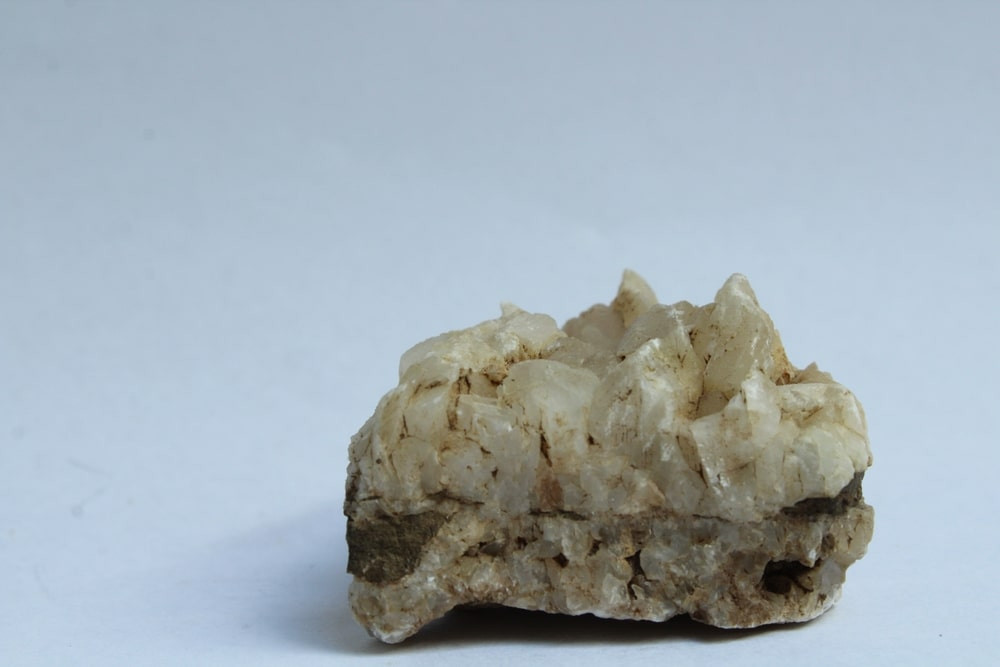
The scale of baryte reserves at Maoniuping could allow China to exert similar dominance over this mineral’s global market, much like it has with rare earths. Although other nations, including the U.S. and India, possess baryte deposits, the sheer quantity discovered in Sichuan positions Chinese suppliers to influence international trade significantly. Together with rare earth oxides and fluorite, Maoniuping has become a central hub for multiple strategic mineral supply chains.
Antimony: A Metal Vital for Fire Safety
Farther north in Gansu province, a separate discovery was made in Tanchang county where officials confirmed the presence of 51,455 tons of antimony. This metal is widely used as a flame retardant in electronics, plastics, and military applications. The find boosted the region’s antimony reserves by over 50%, as reported by provincial natural resource authorities.
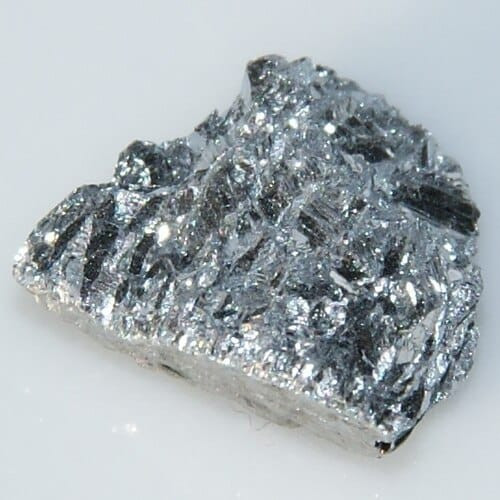
Antimony’s relevance has grown recently due to its role in enhancing fire resistance in vital materials used in consumer electronics and defense hardware. China already produces the majority of the world’s antimony, and this new deposit strengthens its dominant position amid rising global demand.
China Uses Mineral Wealth as a Strategic Lever
The timing of these discoveries coincides with China’s evolving strategy in controlling exports of critical minerals. In April last year, export restrictions on seven rare earth elements and permanent magnets were implemented, requiring government authorization prior to overseas shipments. This followed increased tariffs from the U.S. and signaled Beijing’s readiness to leverage mineral supplies in broader trade conflicts.
By December, China began issuing longer-term export licenses to offer more stability for foreign partners navigating the new regulations. Early indicators show that this approach boosted shipments to European buyers, while exports to the U.S. remained limited, reflecting ongoing tensions.
One Site, Multiple Strategic Resources
The Maoniuping mine has emerged as one of the globe’s most critical mining complexes due to the combined presence of rare earth oxides, fluorite, and baryte—all sourced from a single location. This enables manufacturers to access several strategic minerals required for magnets, batteries, semiconductors, and drilling operations from one site.
For industries in Europe, Japan, and South Korea, this discovery means continued dependency on Chinese minerals. For the U.S., it highlights the challenge of diversifying supply chains when such vital deposits are concentrated predominantly in one country. As China continues its geological explorations, its leadership in critical mineral resources looks set to endure.
- Categories:
- News





0 comments
Sign in to Comment