
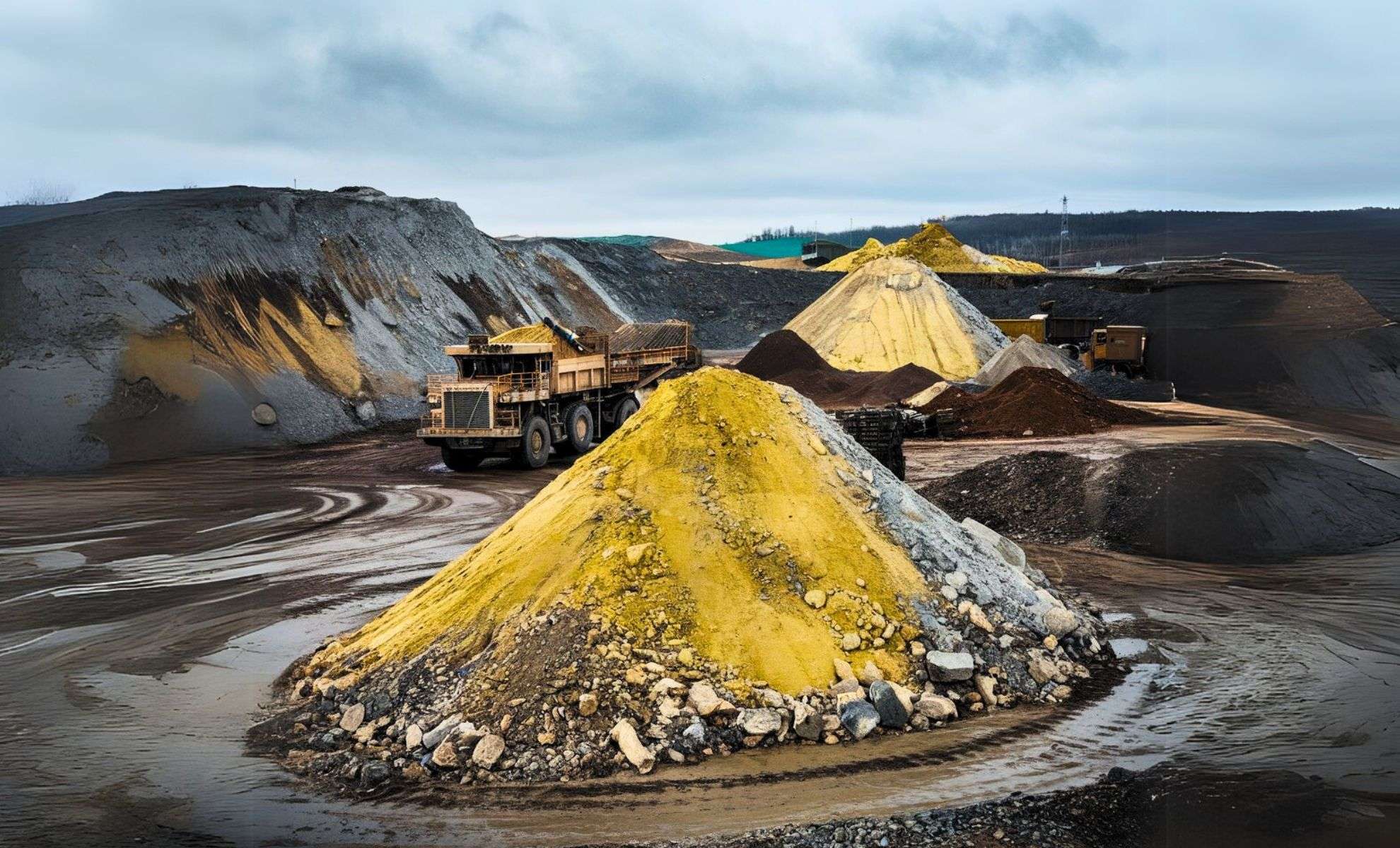
Recent geological data, now released to the public, indicates that China’s thorium reserves might be far larger than previously known, positioning the nation as a potential pioneer in the future of nuclear energy innovation.
The key discovery originates from the Bayan Obo mining area in Inner Mongolia, where estimates suggest the presence of over one million tons of thorium. Such quantities could fuel clean energy production for an estimated 60,000 years.
This revelation aligns with China’s active advancement of thorium-based molten salt reactors (TMSRs), a promising nuclear technology that could replace traditional uranium reactors and dramatically minimize nuclear waste.

Unlocking a New Energy Resource in Inner Mongolia
Thorium has long been considered a viable alternative to uranium in nuclear power generation, yet large-scale adoption has remained limited. Situated in northern China, the Bayan Obo mining site is renowned as one of the globe’s premier sources of rare earth elements, essential for modern technology sectors.
However, updated geological assessments reveal that thorium is abundant in the tailings of mining operations there. According to Indrastra, these thorium concentrations could supply a nearly limitless clean energy resource, with the potential to revolutionize nuclear power worldwide.
How Thorium Could Transform Nuclear Industry
Thorium is a naturally sourced radioactive material that is abundant in the Earth’s crust at levels three to four times that of uranium. Utilizing thorium in molten salt reactors allows for generating energy outputs up to 200 times greater per ton than uranium, promising enhanced long-term sustainability for nuclear power.
Another major benefit of thorium is its production of significantly lower volumes of nuclear waste compared to traditional uranium-powered reactors. Conventional methods generate byproducts with radioactive lifespans spanning thousands of years, posing environmental and safety challenges. Thorium reactors, however, yield considerably less hazardous waste, easing disposal and storage concerns.
Safety features also favor thorium technology. Molten salt reactors are engineered to be self-controlling. Should the reactor temperature rise excessively, the fuel naturally relocates to a containment area where the reaction ceases, significantly mitigating the risk of nuclear meltdowns—a historic problem affecting public sentiment around nuclear power.
Furthermore, thorium presents a lower risk of contributing to nuclear proliferation. Unlike uranium and plutonium, thorium cannot be directly repurposed for nuclear weapons manufacturing, making it a less controversial option for countries aiming to secure energy independence.
Although countries such as India, France, and the United States have experimented with thorium technology, China is currently taking the lead in developing functional prototype reactors.
Obstacles to Widespread Thorium Adoption
Despite the promise, thorium has not yet overtaken uranium's role as the principal nuclear fuel. One major challenge lies in the intricate process required to extract and process thorium. Typically found in monazite sand deposits and similar minerals, thorium extraction demands costly and environmentally sensitive techniques.
Another challenge is the necessity for specialized reactor designs. Unlike uranium-235, which can sustain nuclear reactions unaided, thorium must first be transformed into uranium-233 via neutron bombardment, adding complexity and increasing reactor costs.
Adopting thorium-based nuclear energy also means significant upgrades to infrastructure. Since most current nuclear power plants operate on uranium, a shift to thorium would require new construction and comprehensive regulatory measures, leading to elevated initial investment.
China, however, is determined to address these difficulties. In 2021, the country unveiled its inaugural experimental molten salt reactor located in Wuwei, a desert city in Gansu Province. Should this project succeed, it might herald the arrival of commercial thorium reactors by 2030.
Global Competition in Advanced Nuclear Technologies
While China spearheads thorium energy development, other global players are closely observing its progress. Nations such as the United States, India, France, and Russia have previously explored thorium reactor possibilities, with India being especially proactive due to its own vast thorium supplies.
Nevertheless, China's new geological findings could provide a decisive strategic advantage. Upon confirmation and successful exploitation, these thorium deposits could become the foundation for China's sustainable energy future, reducing fossil fuel dependence and securing its leadership in revolutionary nuclear technologies.
- Categories:
- News










0 comments
Sign in to Comment