
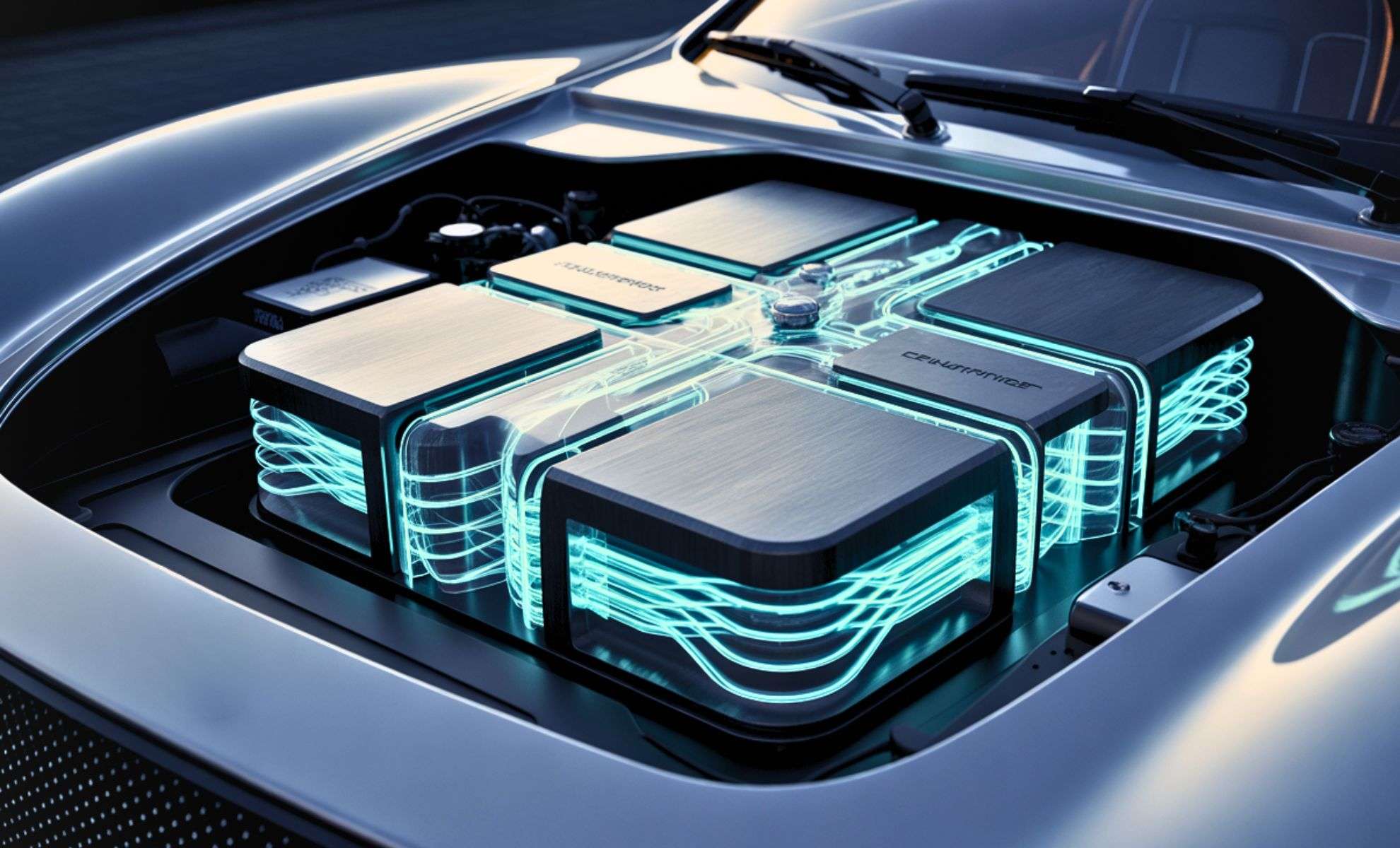
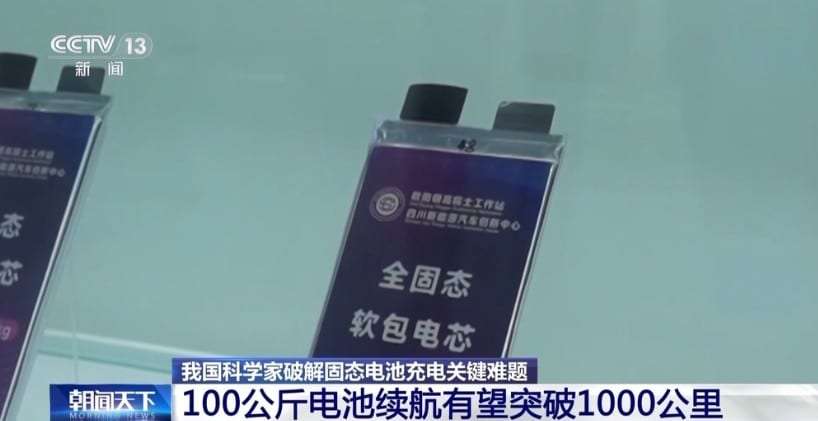
A major development has emerged from China’s electric vehicle sector this week, with researchers announcing a significant advancement in solid-state battery technology—one that can power electric vehicles for over 1,000 kilometers on a single charge while the battery weight remains at just 100 kilograms.
This innovation promises to reshape the EV industry by dramatically cutting battery mass by more than 70 percent and doubling driving range. For a field intensely focused on improving energy efficiency, safety, and affordability, this breakthrough could strongly influence future electric car designs. The scientific approach behind these claims is particularly noteworthy.
Broadcast by China Central Television (CCTV) and confirmed by teams at Tsinghua University and two entities from the Chinese Academy of Sciences, the announcement highlights progress in overcoming the long-standing interface challenge between metal anodes and solid electrolytes—an issue that has consistently hindered practical solid-state battery applications in real-world conditions.

Challenges Facing Solid-State Battery Development
Although solid-state batteries are hailed for offering extended range, accelerated charging, and enhanced safety, their commercial adoption has been stalled mainly due to incompatibility between core materials.
The solid electrolyte, typically composed of sulfide-based ceramics, is inherently fragile and brittle, whereas the lithium metal anode is soft and prone to deformation. When these two materials interface, microscopic voids emerge, creating barriers to ion flow. This results in reduced efficiency, heat accumulation, and risks of internal shorts.
Dr. Yan Yao, an electrical engineering professor at the University of Houston specializing in advanced battery materials, explained, “The primary hurdle for solid-state batteries is the interface conduction. Excellent materials alone can’t guarantee performance if ion transport across the boundary is obstructed.”
According to the team, their success is rooted in integrating three distinct breakthroughs that collectively resolve the interface problem. For an in-depth analysis of these advances, visit Car News China.
Utilizing Iodine Ions for Interface Repair
The Institute of Physics developed a novel strategy employing iodine ions that mobilize to the battery’s interface during operation. These ions fill micro-gaps between electrolyte and electrode, self-assembling into a molecular bond that maintains structural integrity and reduces resistance.
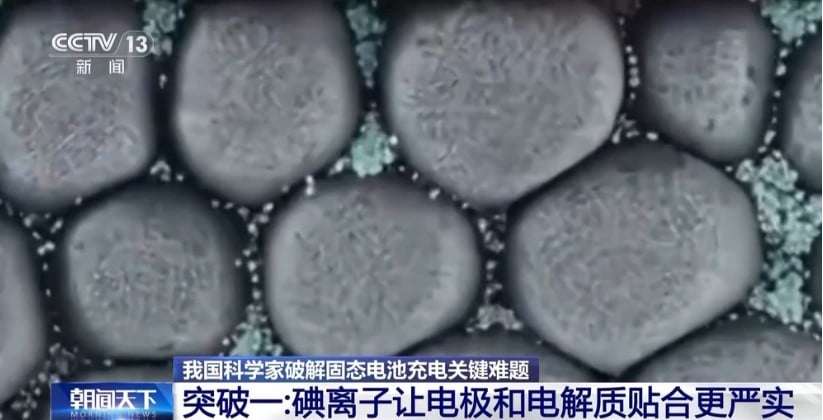
This mechanism allowed lithium ions to traverse the interface with far greater efficiency, effectively doubling the driving range estimate for a lightweight 100-kg battery from roughly 500 km to over 1,000 km. This far surpasses typical lithium-ion battery packs, which generally weigh between 400–600 kg for comparable distances.
Flexible Polymer Scaffolds and Enhanced Conductivity
The Institute of Metal Research took a mechanical approach by engineering a polymer-based flexible scaffold integrated into the electrolyte structure. This design enables the battery to endure physical stresses, including up to 20,000 bending cycles, without developing cracks or performance degradation.
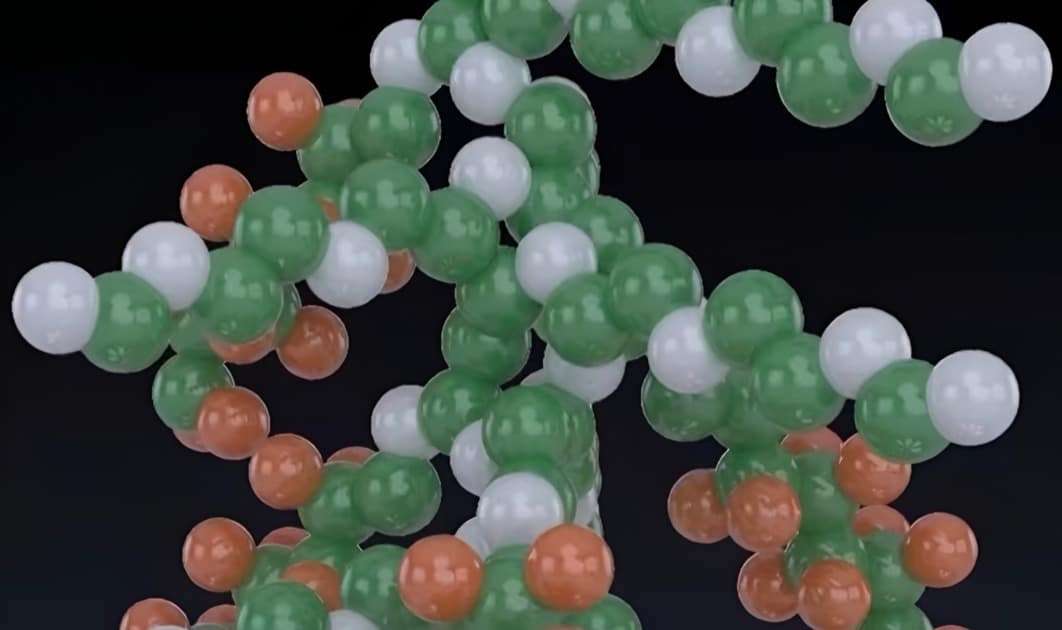
The team also incorporated active chemical additives into the polymer network to improve lithium-ion mobility. Internal lab results indicate this raises the energy storage capability by 86 percent compared to conventional solid-state batteries.
These outcomes are consistent with recent studies published in Nature Materials, where similar polymer reinforcements showed effective prevention of dendritic growth during prolonged cycling.
Boosting Safety Using Fluorinated Electrolytes
Tsinghua University’s researchers tackled safety concerns by introducing a fluorinated polyether additive to the electrolyte, creating a protective fluoride-rich layer surrounding the electrode.
This barrier maintains structural stability under high-voltage stresses, thwarting degradation and thermal runaway—a critical enhancement for both solid-state and traditional liquid electrolyte batteries. The cells passed rigorous tests including needle puncture and sustained exposure to temperatures of 120°C without failure. This safety advancement is particularly significant for high-capacity battery designs.
The fluorination technique aligns with similar efforts by MIT’s Materials Research Laboratory, which also explores fluorinated compounds to elevate voltage tolerance in cutting-edge battery technologies.
Strategic National Development
This breakthrough comes at a crucial juncture for China’s EV industry, as the country gears up to implement stricter battery safety regulations by 2026. Such policies are likely to accelerate adoption of superior chemistries beyond traditional LFP (lithium iron phosphate) options.
Despite promising lab results, scaling production remains challenging due to costly materials and complex manufacturing requirements. The timeline for market-ready solid-state battery products is still uncertain.
However, the coordinated efforts among Chinese research institutions hint at a unified national blueprint designed to outpace competitors like QuantumScape, Toyota, and CATL, who are also vying to master solid-state battery technology.
- Categories:
- News











0 comments
Sign in to Comment