
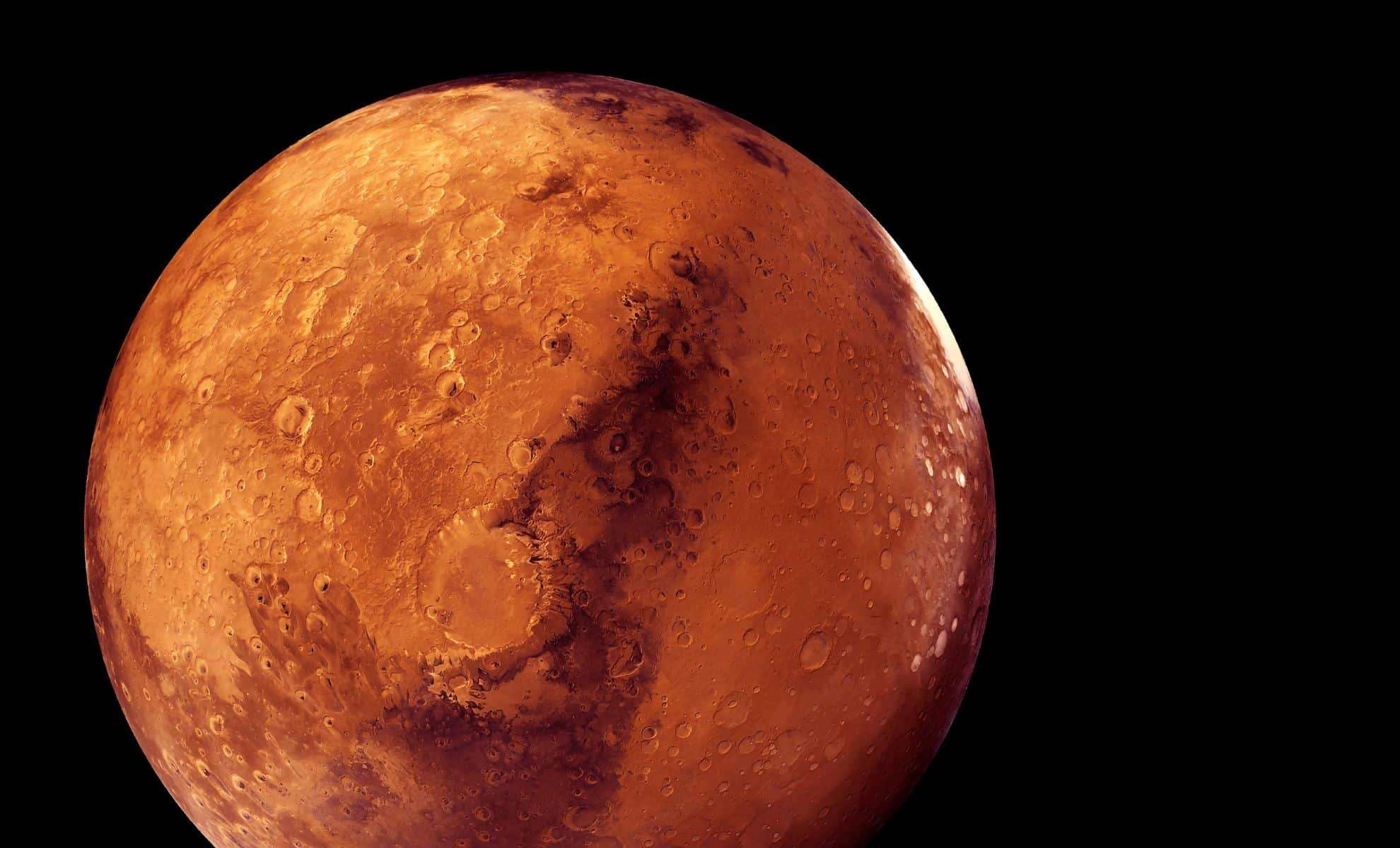
Recent findings published in Nature reveal that Mars possesses a solid inner core. By examining seismic data collected by NASA’s InSight lander, scientists have detected a dense, solid core approximately 600 kilometers in diameter, contradicting earlier theories that Mars’ core was entirely molten.
A Four-Year Journey to a Seismic Revelation
Once again, the Red Planet has defied expectations. New research indicates that Mars’ internal core is not completely molten as previously thought but harbors a solid metal center. This groundbreaking discovery reshapes our understanding of Mars’ geological history and internal development.
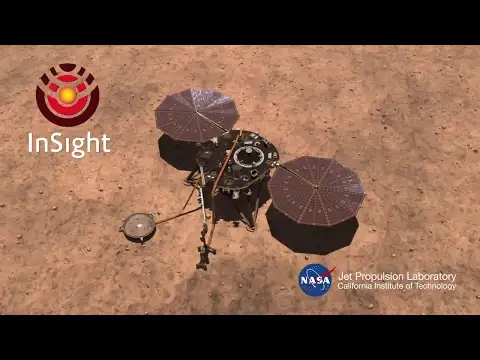
Data from NASA’s InSight mission, which operated between 2018 and 2022 and recorded over 1,300 marsquakes, was crucial for this finding.

Scientists at the University of Science and Technology of China analyzed seismic waves from 23 major impact events and uncovered unexpected evidence of a solid inner core approximately 600 kilometers (373 miles) across, enclosed within a liquid outer shell.
Insights from Seismic Waves on Mars’ Interior
Many existing models depicted Mars as having a core that was liquid throughout. This assumption arose because its core, made up predominantly of iron, combined with lighter elements such as sulfur, oxygen, and carbon, was believed to have a lowered solidification temperature. Given the core’s high temperature, it was thought it remained in a liquid state.
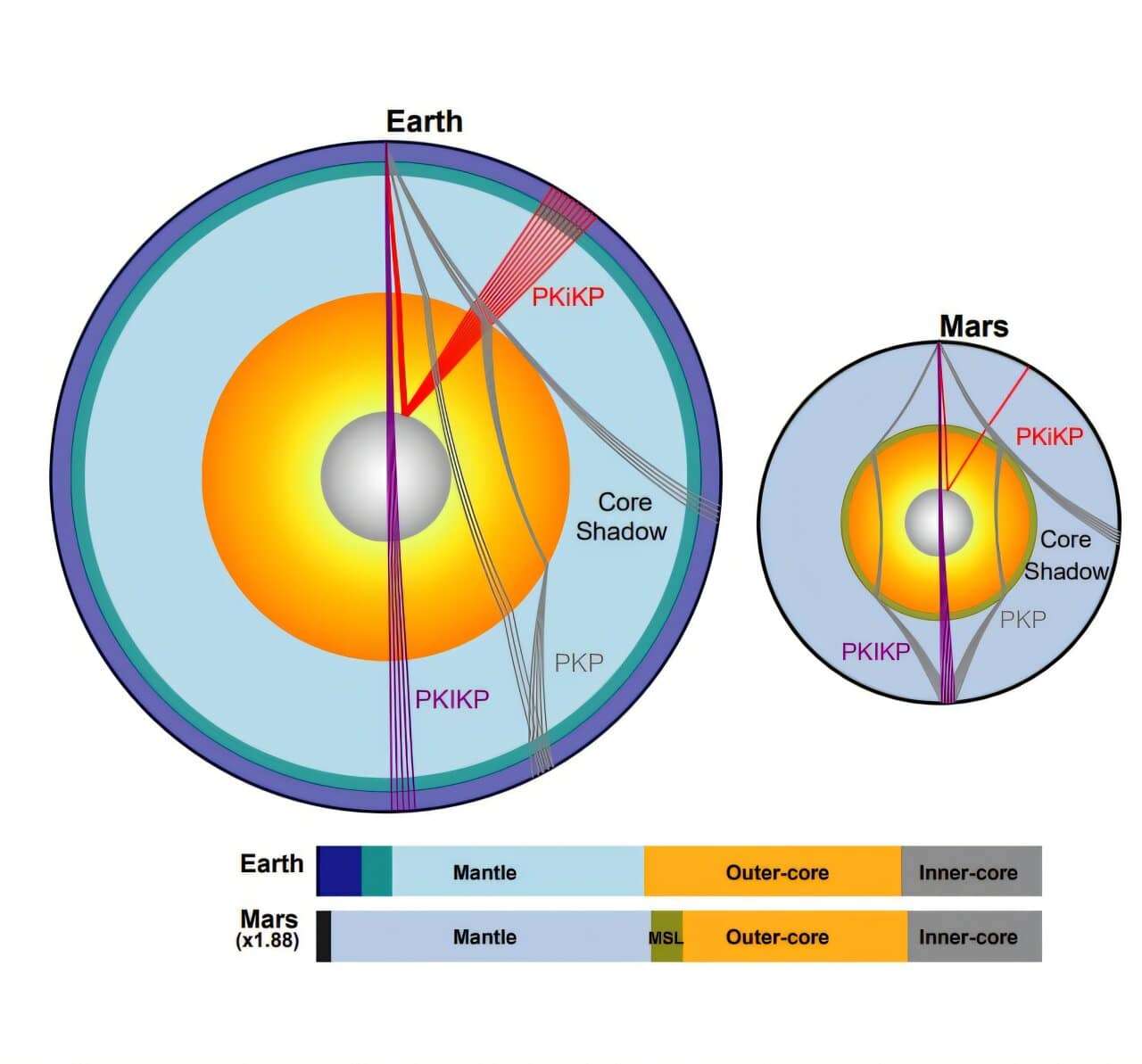
However, by studying the behavior of seismic waves passing through the planet, researchers identified specific wave patterns—PKiKP, PKIIKP, and PKPPKP—that are characteristic of reflections or transmissions through a solid inner core. These seismic signatures, well-known from Earth studies, provide strong evidence that Mars contains a solid inner core much like our planet.
Although InSight remained fixed at a single location on Mars, it effectively performed a planet-wide seismic scan. It recorded waveforms generated by marsquakes and meteor impacts. Variations in wave speed and trajectory due to differing materials allowed scientists to map Mars’ internal structure, successfully pinpointing wave movements all the way to the core’s center.
Earth and Mars Share Core Features, But Diverge Geomagnetically
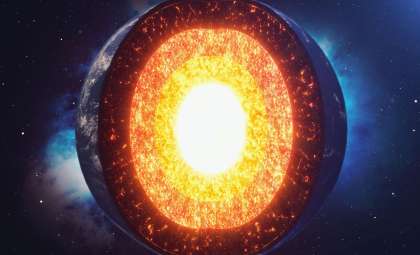
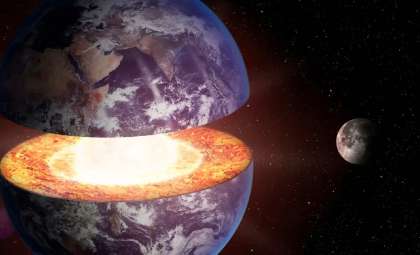
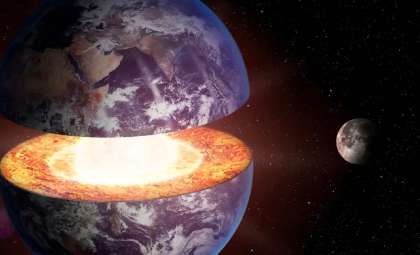
A particularly fascinating aspect of the findings is Mars’ core architecture, which mirrors Earth’s in terms of layering despite the planet’s smaller size and geological calmness. Mars has a rigid crust, a liquid mantle, a molten outer core, and as it turns out, a solid inner core. Researchers estimate this solid core spans about one-fifth of Mars’ radius, closely matching the size ratio seen in Earth’s inner core.
Nonetheless, Earth's solid inner core is key to sustaining a global magnetic field, unlike Mars, which currently lacks a planetary-wide magnetic shield. Instead, only scattered crustal areas retain magnetization, indicating that Mars once had an active magnetic field that has since disappeared.
Earth’s magnetic field is generated by the dynamo effect caused by the solid core’s gradual crystallization stirring molten metal convection. The presence of a solid inner core on Mars raises questions about why it doesn’t exhibit a similar magnetic field. Possible explanations include the planet’s smaller size, a distinct proportion of heavy and light elements, insufficient cooling to power a dynamo, or a delayed onset of core solidification.
Remaining Mysteries and Limited Data
Lead researcher Daoyuan Sun suggested that Mars’ inner core crystallization may have begun in the past and might still be ongoing. However, pinpointing the timing and nature of this process—as well as identifying whether a partially solid “mushy zone” lies between the inner and outer core—requires more sophisticated models.
Since the InSight mission ended in 2022, scientists are confined to existing datasets. Nicholas Schmerr, a planetary scientist, commented, “Many details concerning the precise shape and composition of Mars’ inner and outer core will need a network of seismometers similar to InSight to adequately resolve.”
- Categories:
- News





0 comments
Sign in to Comment