
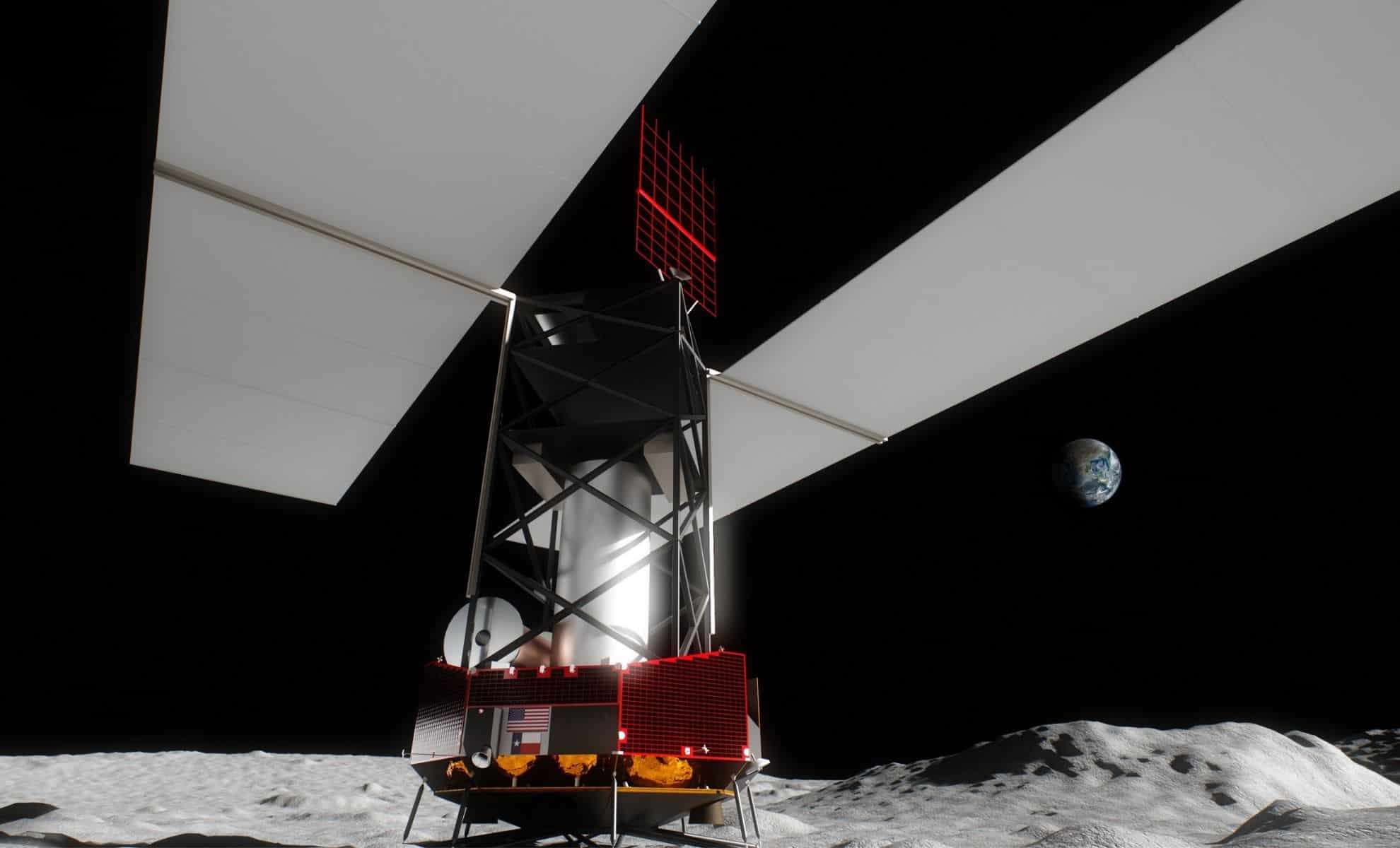
The renewed focus on lunar exploration is intensifying, but the competition now goes beyond landing astronauts—it’s about establishing a lasting foothold on the Moon. The United States and China are both pushing boundaries in this new phase of off-world development.
NASA’s Artemis initiative, which aims to send humans back to the Moon and develop sustainable infrastructure there, faces fresh hurdles after Chinese nuclear scientists identified potential design weaknesses in NASA’s Fission Surface Power (FSP) reactor.
NASA’s Nuclear Reactor: A Cornerstone for Prolonged Moon Missions
The Fission Surface Power (FSP) reactor is a central element of NASA’s long-term lunar plans. This nuclear system is engineered to deliver consistent and dependable electrical power, vital for mission success during the Moon's prolonged nights, which can last up to two weeks.

Designed to generate roughly 40 kilowatts, the FSP reactor aims to sustain essential life-support and habitat systems, enabling continuous human operations on the lunar surface. Yet, researchers from the China National Nuclear Corporation (CNNC) have raised doubts about its practicality.
They highlight several vulnerabilities in the reactor's design, particularly related to its use of highly enriched uranium fuel requiring a heavy beryllium radiation shield. This protective layer increases the reactor's weight, complicating and inflating the cost of transporting it to the Moon.
Another issue pointed out by the Chinese team is the tendency of the uranium fuel to swell under intense radiation, which could degrade the reactor’s functionality faster than anticipated. Their studies suggest that this could limit the reactor's effective operational life to about eight years.
China’s Alternative: Enhanced Efficiency and Reliability
China has responded not only by critiquing but also by designing an alternative lunar nuclear reactor. Drawing inspiration from past American and Soviet technologies, including the Soviet-era TOPAZ-II reactor, China’s design addresses NASA’s identified challenges, offering a fresh approach for lunar power solutions.

A key innovation in China’s reactor involves the fuel rod configuration. Instead of solid cylindrical uranium rods, their design features annular (hollow ring) fuel rods packed with uranium dioxide pellets encased in stainless steel. This setup enhances both shielding and thermal management, reducing risks from fuel expansion and wear.
Furthermore, China’s reactor incorporates a cutting-edge liquid metal coolant system using a sodium-potassium alloy (NaK-78). Maintaining temperatures below 600°C, this system circulates efficiently around the fuel rods to prevent overheating and ensure stable long-term operation.
Improved Safety and Operational Control
Safety and control represent critical upgrades in China’s reactor plan. While NASA’s FSP reactor relies on relatively simple control mechanisms, Chinese engineers have developed more advanced systems for enhanced management.
These controls are designed to better handle unexpected events and failures, which is crucial for lunar missions where crews will be isolated and cannot rely on immediate Earth-based troubleshooting. Independent and robust operation under hazardous circumstances is paramount.
By adopting these sophisticated safety measures, China aims to deliver a reactor capable of enduring extreme environmental stresses while maintaining consistent functionality, thus securing lunar mission integrity over extended durations.
Together, these technical advancements position China as a formidable competitor in the race to establish a permanent lunar presence. Their alternative nuclear reactor design offers a promising, potentially more sustainable and efficient power source, giving them a notable advantage in this vital area of off-world infrastructure development.









0 comments
Sign in to Comment