
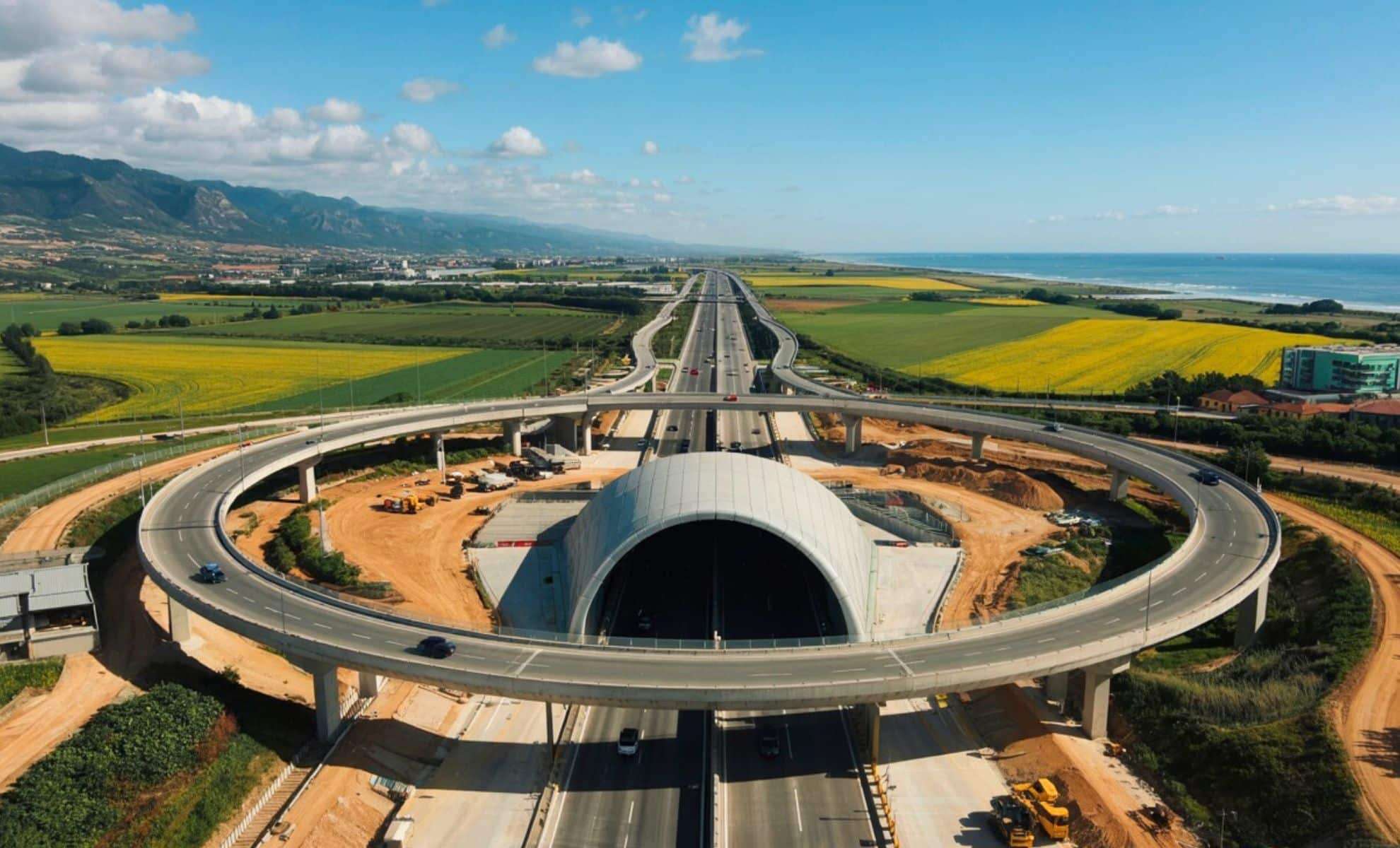
A groundbreaking engineering endeavor is set to transform transportation corridors between Europe and Africa. The proposed subsea rail tunnel crossing the Strait of Gibraltar has long been envisioned and is now moving closer to construction.
Originally targeted for completion by 2030, various setbacks, including ongoing technical assessments and seismic evaluations, have postponed the schedule to roughly 2040. Despite these delays, this visionary project promises to radically improve transit of passengers and goods between the continents.
A Daring Feat Below the Strait of Gibraltar
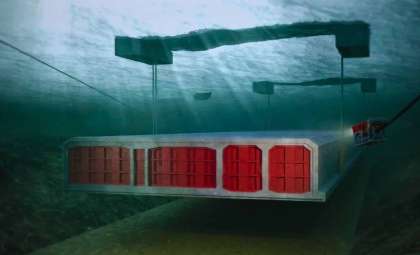
The tunnel is designed to link Punta Paloma in southern Spain with Punta Malabata near Morocco’s Tangier. Spanning over 42 kilometers, with nearly 30 kilometers submerged at depths close to 475 meters underwater, this will be a technical tour de force.

Its principal aim is to establish a rapid rail corridor uniting two continents, representing a milestone in international infrastructure. Discussions for the tunnel have dated back to the 1970s and have reignited in anticipation of the 2030 FIFA World Cup, jointly hosted by Spain, Portugal, and Morocco.
Projected costs vary between €6 billion and €15 billion, reflecting the complexity of this venture, which is anticipated to handle millions of travelers and significant freight volumes annually.
Upon completion, the tunnel will slash travel time between Madrid and Casablanca from an exhausting 12 hours by road to just around 5.5 hours via rail. It is also set to support the upcoming 2030 FIFA World Cup, enhancing transport for fans journeying between Europe and North Africa.
Addressing Seismic and Geological Obstacles
Building this tunnel involves overcoming formidable technical and geological challenges, largely because the Strait of Gibraltar is situated at the juncture of the Eurasian and African tectonic plates. The region experiences seismic activity, necessitating meticulous planning to ensure the tunnel’s stability and safety.
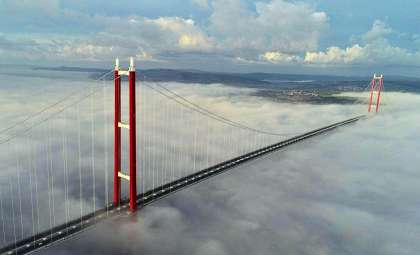
Experts are conducting rigorous seismic studies and geotechnical assessments to understand the subterranean conditions. Herrenknecht AG, a leading name in tunnel engineering, with experience from projects such as the Brenner Base Tunnel and Turkey’s Bosphorus Undersea Passage, is playing a pivotal role in this initiative.
Its Spanish branch, Herrenknecht Ibérica, is tasked with evaluating the feasibility of tunneling through the Camarinal Sill, a critical geological barrier separating the Mediterranean Sea and the Atlantic Ocean.
Seismic monitoring activities will continue, typically under favorable weather, though some have paused due to security matters. Given the area’s intricate geology and seismic volatility, this tunnel stands as one of the most technically demanding infrastructure projects globally.
Economic Impact and International Collaboration
Despite complexities, the tunnel offers substantial economic promise. It is expected to serve over 12.8 million passengers and transport 13 million tons of cargo each year, boosting both Spanish and Moroccan economies while fostering stronger ties between Europe and North Africa.
The project exemplifies the power of international teamwork and aims to deepen economic integration by promoting the fluid movement of people and goods, enhancing commerce, tourism, and cultural interchange.
Beyond immediate gains, the tunnel sets a precedent for future transcontinental infrastructure, enhancing global connectivity. Investments in feasibility analysis, seismic exploration, and technical development have already reached millions.
However, as is typical with major infrastructure ventures, expenses are expected to increase as unforeseen obstacles emerge during construction. The project is jointly overseen by the Spanish Society for Fixed Communication Studies across the Strait of Gibraltar and its Moroccan partner SNED, ensuring progress toward realizing this ambitious vision.
- Categories:
- News










0 comments
Sign in to Comment