
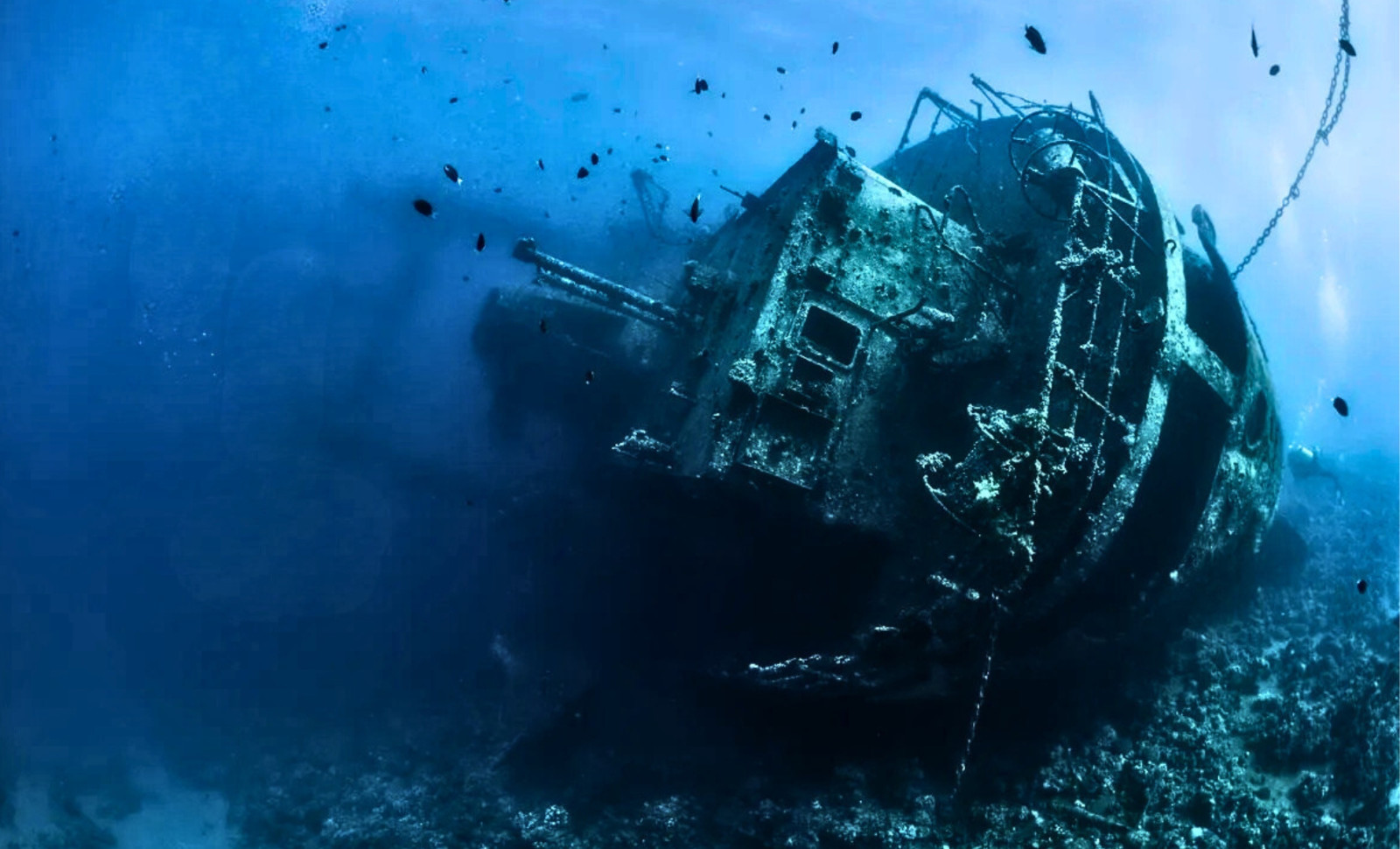
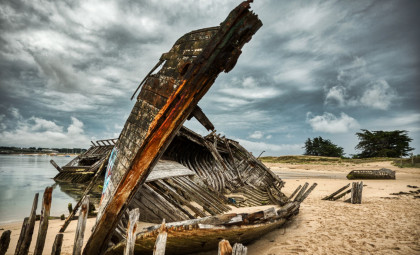
Initial clues of the Rooswijk tragedy emerged not from the vessel itself but from personal items and letters that drifted ashore along the Kent shoreline in January 1740. These artifacts confirmed that the Dutch East India Company ship had gone down before completing its journey to Jakarta, resulting in the deaths of nearly 250 passengers, soldiers, and crew members on the treacherous Goodwin Sands near Kent. Rather than remaining as a whole ship, the wreckage lies scattered and fragmented across the seabed.
Today’s archaeological site remains dispersed, shaped by the movement of sands, sediments, and ocean currents. Within this disturbed field lie parts of the ship’s structure, its cargo, household items, and personal effects recovered from the ship’s fateful expedition. The fragile nature of these artifacts, exposed to erosion and potential human impact, has made their excavation a pressing priority.
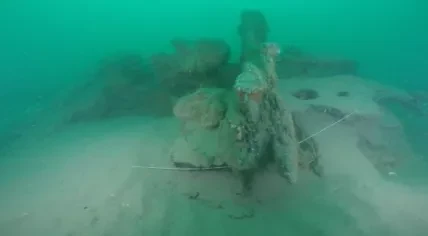
The wreck site is approached both as a maritime disaster scene and a scientific dig, with every recovered object adding insights into a voyage ended abruptly. The scattering of cargo alongside preserved everyday items offers a unique perspective on the ship’s inventory at the time it sank.

Trade Silver Unearthed from a Kent Shipwreck
Historic England oversees the dig under the Dutch government’s ownership, as the Dutch East India Company vessel’s remains belong to the Netherlands. The company lost nearly 250 ships over two centuries, but few wrecks of this scale have ever been located or studied so intensively.
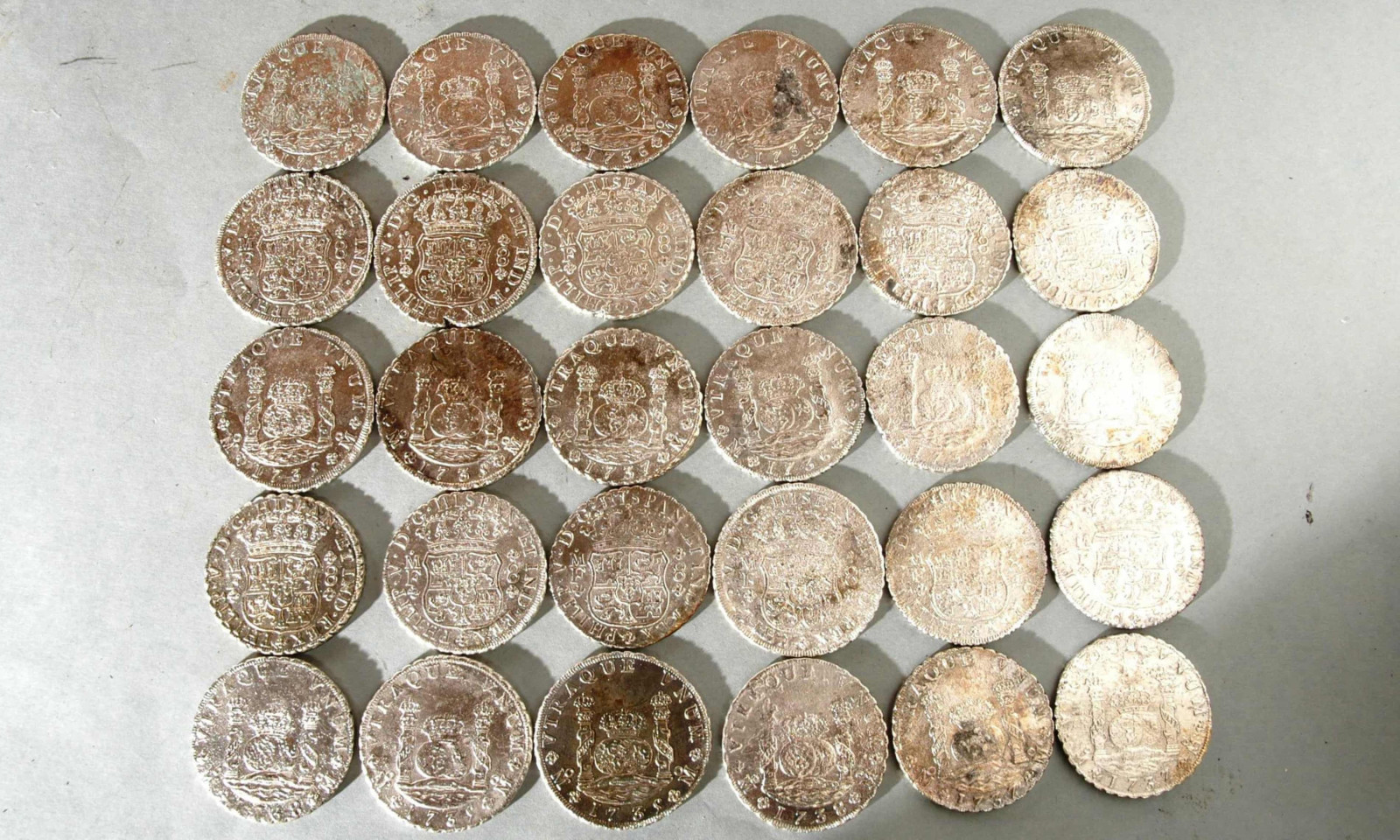
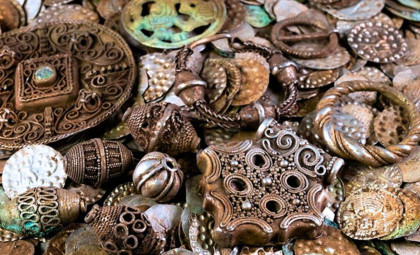
On its route to Jakarta, the ship carried spices, porcelain, and textiles to trade. To fund these purchases, the vessel transported silver ingots, bullion, and silver coins, key mediums of exchange in Asian trade networks. Earlier salvage expeditions recovered some silver artifacts, affirming the ship’s role within the global commerce system.
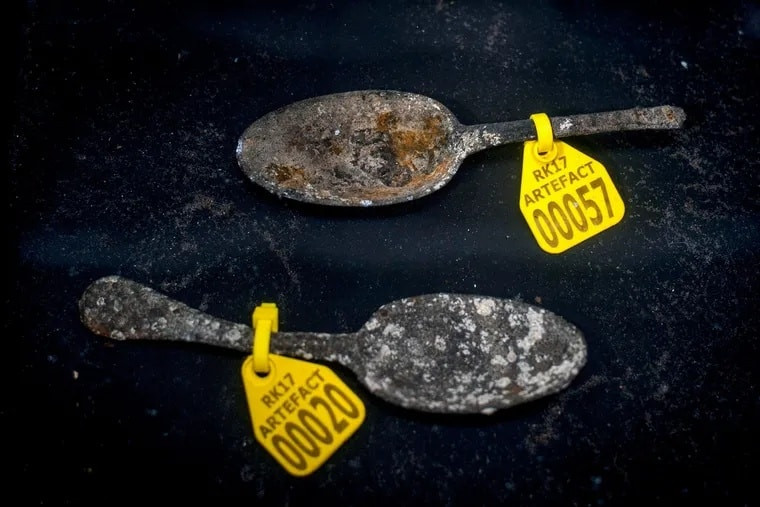
Excavations have also revealed everyday items like pewter jugs, spoons, glass bottles, ornate knife handles, leather footwear, and stove tiles scorched by heat. These artifacts provide evidence of cooking habits, personal storage, and daily life aboard. To date, only 11 of the roughly 250 casualties have been identified.
The quantity and variety of artifacts demonstrate that the wreck contains official cargo intermingled with personal belongings. These are spread widely rather than enclosed in intact compartments, reflecting the violent sinking and centuries of shifting sediments.
Unlocking Mysteries of the Sealed Chest in the Rooswijk Wreck
A particularly intriguing discovery is a locked chest uncovered during excavation. National Geographic has reported that several chests, including one exceeding a meter in length, were found on the site. This primary chest remains unopened, and its contents are yet to be revealed.
Marine archaeologist Alison James provided insights on the find, stating, “There are several chests. The largest is more than a meter long.” She elaborated, “They could hold anything, from sword blades, metal objects, personal effects, or even money.”
The Guardian detailed that various wooden chests were recovered alongside silver dollars and pieces of eight, placing the chest within a wider treasure trove context. Though exact contents are unknown, these finds highlight the mix of wealth and stored goods present aboard.
Multiple chests reveal organized storage aboard the vessel, but centuries submerged and wreck damage have taken their toll. Whether the cargo inside remains intact or has shifted remains to be studied.
Smuggled Wealth and Personal Items Discovered
The cargo aboard Rooswijk extended beyond company goods. Historical sources noted by The Guardian reveal that smuggling was common on Dutch East India voyages. Officers often carried undeclared silver in larger quantities, while sailors hid smaller amounts within their possessions.
Some recovered silver appeared chopped into pieces, hinting at scrap metal trade practices common at port destinations. The dispersed distribution of silver supports the idea that valuables were kept in various locations rather than grouped together.
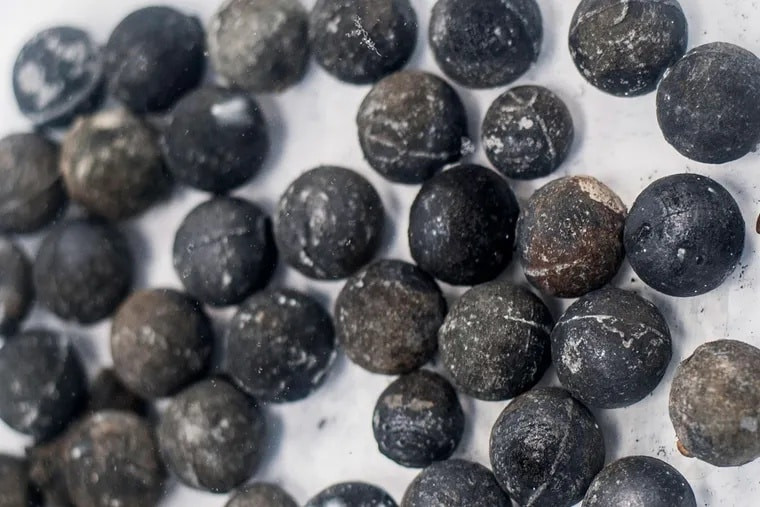
The wreck also preserves a broad array of personal belongings, including garments, tools, eating utensils, and storage containers. These items offer a window into the daily routines and roles of individuals onboard.
The convergence of commercial cargo with personal possessions illustrates the overlapping trades and lifestyles aboard the vessel. These elements now remain together in their aftermath around the wreck site.
Why X-Ray Analysis Was Crucial Before Opening the Chest
Researchers opted to scan the sealed chest using X-rays prior to opening. Artifacts submerged for centuries often become extremely fragile, especially when crafted from wood, metal, or composite materials. Rapid exposure to air can cause significant deterioration to both the container and its contents.
National Geographic explained that unlocking the chest prematurely would be “inconséquent” due to the risk of damage. Imaging techniques enable scientists to visualize internal contents, density, and shape before any physical disturbance, guiding conservation decisions.
The Guardian pointed out that if concretion—hard mineral deposits—encases the chest, routine scans could prove insufficient. In such cases, more advanced imaging technology might be necessary to analyze its interior fully. These measures reflect careful protocols in underwater archaeology aimed at stabilizing and documenting delicate recoveries.
- Categories:
- News








0 comments
Sign in to Comment