
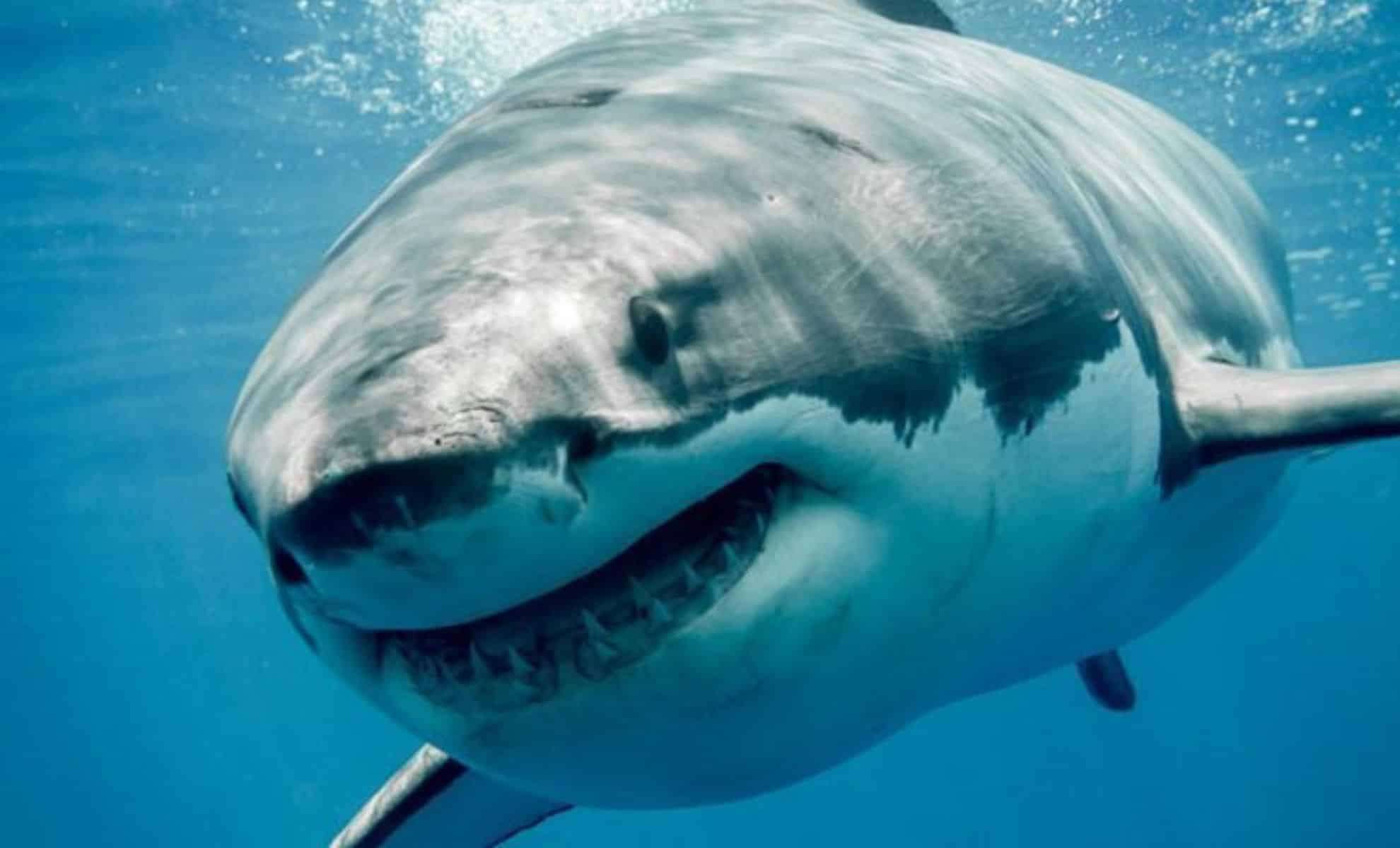
Researchers from the nonprofit group OCEARCH have recently tagged a male great white shark, dubbed Contender, near Florida’s coast. This shark sets a new size benchmark as the largest great white ever documented in the Atlantic Ocean, weighing 1,653 pounds and reaching a length of 13 feet 9 inches.
Beyond its impressive size, Contender offers scientists a unique opportunity to deepen their understanding of great white sharks’ life histories, reproduction, and migratory behaviors. The tagging event occurred on January 17, 2025, roughly 45 miles offshore, marking a crucial step in the broader mission to track adult male great white sharks in the Western North Atlantic. This particular demographic remains largely mysterious despite its significant ecological role.
Unveiling a Scarce Mature Male in the Western North Atlantic
Data on adult male great whites from the Western North Atlantic are limited, making Contender a rare find. Dr. Harley Newton, chief veterinarian and senior veterinary scientist at OCEARCH, points out that prior tagging missions predominantly involved juvenile and subadult sharks, highlighting the scientific value of this mature specimen.

Estimated to be in his early 30s based on size and weight, Contender is in his prime reproductive years. Male great whites usually mature around 11.5 feet in length and approximately 26 years old, making this individual a vital subject for breeding biology research.
The Tagging Process and Techniques
This tagging was part of OCEARCH’s Western North Atlantic White Shark Project, a long-term initiative to track great white habits, health, and habitats along the Atlantic coasts of both the U.S. and Canada. Researchers used baited breakaway drumlines, a humane method that enables immediate monitoring to safely catch large predatory sharks.
After Contender was hooked, scientists gently guided him alongside their vessel using a buoy-tethered line to minimize stress and avoid injury. At the boat, a team of biologists and vets conducted a thorough series of exams, including taking body measurements, ultrasound scans, and obtaining samples for genetic, reproductive, toxicological, and nutritional studies. These procedures were done quickly and carefully to keep the shark in optimal condition while maximizing data quality.
Contender received two satellite tracking devices: a SPOT tag attached to his dorsal fin, which sends GPS location when the fin breaks the water’s surface, and a PSAT tag implanted near the fin that measures depth, temperature, and movement beneath the water. The SPOT tag provides continuous surface tracking for up to five years. Meanwhile, the PSAT tag archives underwater data and detaches after about six months to transmit its findings once surfaced, offering a detailed picture of the shark’s underwater behavior.
Scientific and Conservation Significance of This Milestone
The capture and tagging of Contender is a groundbreaking moment for Atlantic great white shark research. While juvenile sharks have been studied extensively around areas like Cape Cod, New York Bight, and Canadian Maritimes, adult males have been less visible to researchers both in studies and in nature.
Tracking adult males is crucial to creating accurate models of the population structure, essential for devising effective conservation strategies. These strategies must protect not only nursery and feeding habitats but also breeding grounds and migratory passages—many of which remain unmapped due to lack of data.
Thanks to ongoing tracking, Contender is providing live data on how mature male great whites respond to environmental factors including water temperature, prey abundance, and seasonal currents.
Samples collected from the shark’s urogenital area will be analyzed in the lab to shed light on reproductive biology—a largely unexplored field with direct consequences for species sustainability. Gaining insight into male fertility phases, hormone levels, and reproductive readiness will help estimate breeding cycles, population health, and genetic diversity of regional great white populations.
Monitoring Contender’s Movements in Real Time
Since his tagging, Contender has traveled more than 290 miles southward toward northern Florida, with his latest location near St. Augustine. This migration aligns with known seasonal patterns in the Western North Atlantic, where sharks retreat from colder northern waters during winter months in search of warmer conditions and increased prey availability.
These shifts are closely tied to thermal zones, food supply, and reproduction, knowledge vital to safeguarding essential habitats and reducing human-shark interactions along coasts.
The public can track Contender’s journey through the OCEARCH Global Shark Tracker™, accessible on desktop and as a mobile app. This transparency not only advances public engagement and awareness about shark protection but also promotes informed, responsible interaction with marine environments.
The shark’s frequent surfacing makes GPS tracking especially effective, yielding consistent updates which assist scientists in compiling detailed behavioral analyses over time.
- Categories:
- News













0 comments
Sign in to Comment