
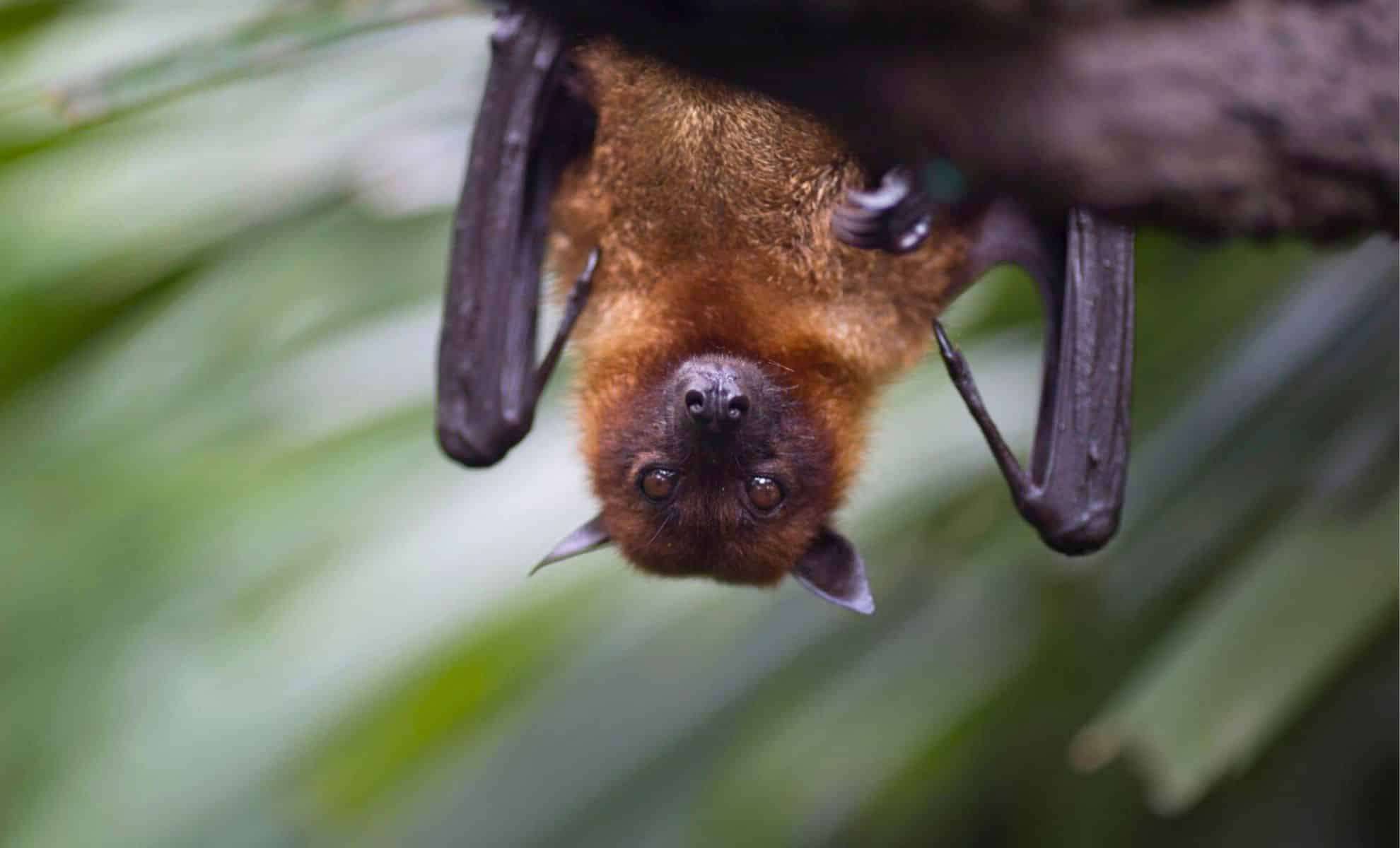
Long-duration space missions have often imagined humans entering hibernation to endure extended travel, a concept popularized in sci-fi classics like 2001: A Space Odyssey and Alien. Now, emerging research hints that the key to achieving this might lie in the blood of certain bat species.
Advancing Our Understanding of Hibernation
NASA and other space agencies have been investigating human hibernation as a potential solution for voyages beyond our solar system. While concepts like generation ships involve multiple generations of travelers, hibernation proposes a more direct approach where astronauts could be put into a suspended metabolic state. The challenge has been decoding the biological mechanisms that allow some animals to hibernate safely.
Scientists at Greifswald University recently analyzed the erythrocytes—or red blood cells—of bats and found unique properties that support survival during hibernation. As noted in Popular Mechanics,

“Their research revealed that a type of red blood cell, called ‘erythrocyte,’ could play a key role in inducing hibernation.”
Decoding Bat Blood to Enable Human Hibernation
Published in Proceedings of the National Academy of Sciences, the study focused on the erythrocytes from two hibernating bat species, Nyctalus noctula and Rousettus aegyptiacus, comparing them with human red blood cells. Remarkably, the bat erythrocytes preserved their flexibility and function even as temperatures dropped, enabling ongoing circulation and metabolic activity during hibernation. Lead researcher Gerald Kerth explained,
“Putting humans into a state of low temperature during an interstellar flight has advantages. We’re not saying this will happen in the next three years, but it’s an important first step.”
On the other hand, human red blood cells tend to stiffen and thicken below normal body temperatures, which would obstruct circulation and hinder the metabolic slowdown needed for safe hibernation. The bats, however, maintain the elasticity of their erythrocytes down to temperatures as low as 10 °C.
Could Hibernation Transform Long-Cold Space Journeys?
Picture a spacecraft where astronauts remain in a hibernation-like state for decades or centuries, requiring minimal sustenance and support. This concept becomes more plausible if the unique qualities of bat blood can be recreated in humans, enabling a drastic reduction in oxygen consumption and metabolic demands.
Such technology could revolutionize deep space travel and reduce the enormous costs and resource requirements currently associated with long-term missions. The benefits of incorporating hibernation include:
- Lower resource needs: Hibernating astronauts would require significantly less food, water, and oxygen.
- Optimized spacecraft design: Dormant crews free up space and lower spacecraft mass, easing long-distance missions.
- Psychological relief: Entering a hibernation state could lessen the mental stress of isolation during prolonged trips.
The Path from Bat Blood to Human Space Travel
Though still distant, the research marks a promising initial step toward enabling human hibernation in space. Understanding how bat erythrocytes remain functional at low temperatures may open doors to medically induced metabolic slowdowns, facilitating interstellar voyages.
In the nearer term, this knowledge could lead to hibernation-like therapies for patients requiring long-term intensive care or recovery. However, turning this into viable space travel technology remains a major challenge. As Gerald Kerth reminds us,
“We are not suggesting this will happen in the next three years, but it is a very important first step.”
Until such advances arrive, we must continue to rely on science fiction to fuel our imagination, dreaming of the day when human hibernation could enable safe, prolonged journeys to distant worlds.
Source: New Scientist







0 comments
Sign in to Comment