
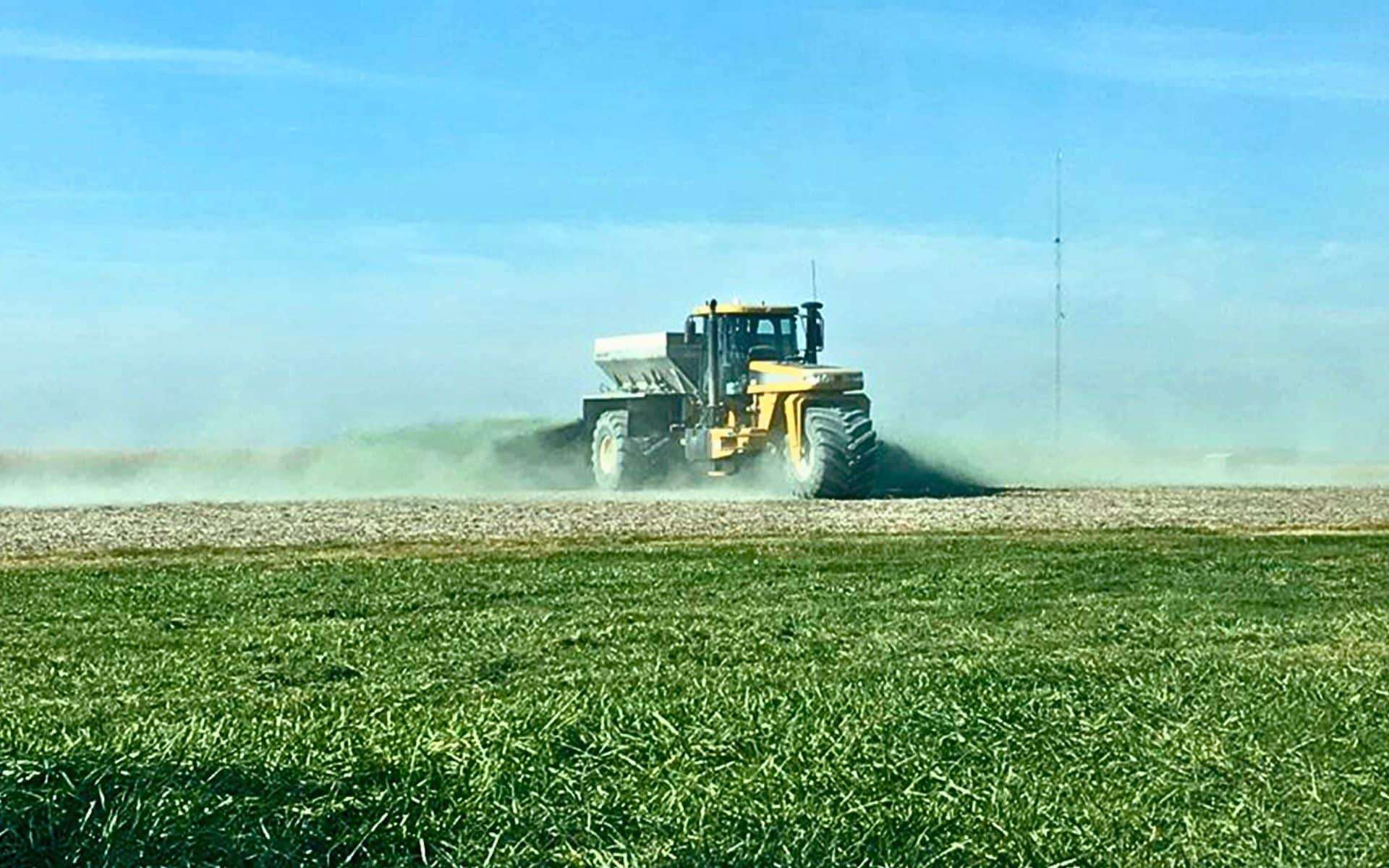
Picture a groundbreaking tool for combating climate change lying unnoticed beneath our feet: finely ground basalt rock scattered over agricultural fields to capture and immobilize carbon dioxide (CO2) permanently. This technique exists and holds enormous promise—but there’s a catch.
Boosting Nature’s Carbon Capture Through Enhanced Rock Weathering
The process, known as enhanced rock weathering, is inspired by a natural phenomenon. Over millennia, certain minerals in rocks slowly absorb atmospheric CO2, converting it into stable carbonate minerals. Scientists aim to accelerate this natural mechanism.
By pulverizing basalt and distributing it widely across croplands, this method could remove carbon dioxide from the atmosphere at remarkably high rates. If adopted worldwide, it might extract billions of tonnes of CO2 annually, a critical scale given current emissions.

With global fossil fuel emissions exceeding 37 billion tonnes per year, this approach could provide vital support for achieving net-zero targets. The emerging industry surrounding this technology is gaining traction as a potential climate game-changer. But, as always, the reality is nuanced.
The Role of Soil and Environment
Despite its vast potential, the effectiveness varies drastically based on soil conditions. Field experiments in tropical farmland yielded unexpectedly low CO2 capture, even after extensive weathering processes. This points to soil type as a critical variable that influences the success of this strategy, with complexities that are still not fully understood.
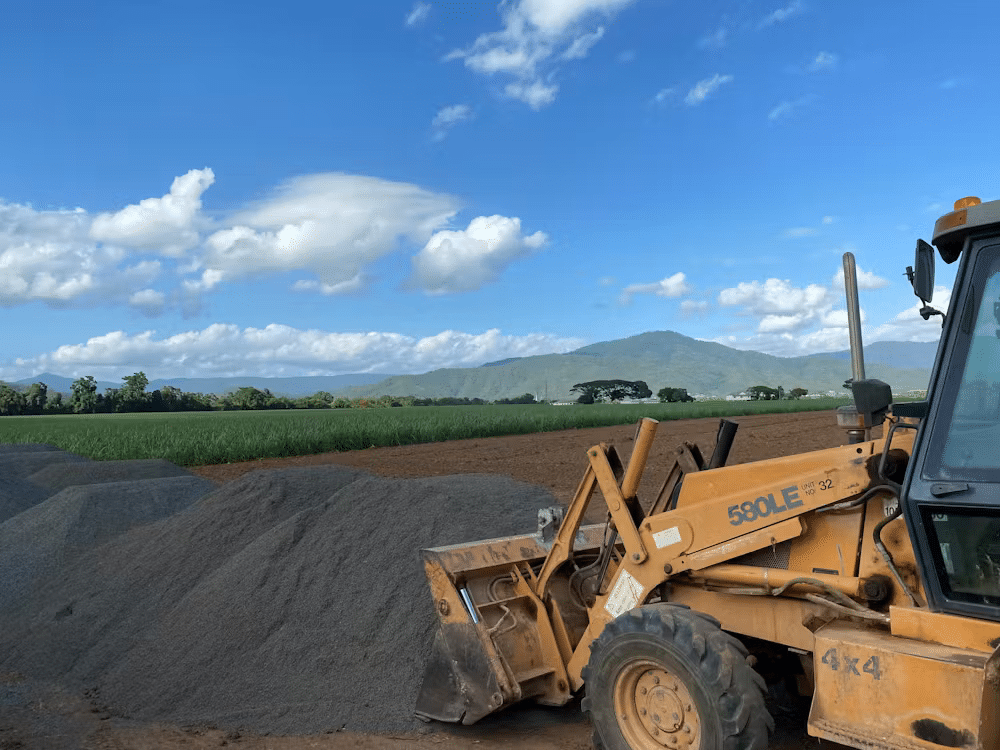
For example, measurements in the Midwestern United States demonstrated carbon removal rates up to 2.6 tonnes per hectare annually from spreading basalt. Contrastingly, trials in Australian sugarcane plantations reported far lower results, leaving researchers puzzled and calling for more study.
Challenges in Assessing Carbon Capture Efficiency
The difficulty in accurately quantifying CO2 uptake makes progress challenging. Measurements from laboratory and field research have produced widely differing estimates—from as little as 0.02 tonnes to as much as 10 tonnes of CO2 per hectare. What explains these discrepancies?
It boils down to factors such as soil acidity, climate variations, and the chemical nature of the soil environment. In some instances, acidic soils react with the ground rock but yield limited actual carbon storage, effectively turning the effort into a carbon-removal dead end.
As climate change accelerates, experts emphasize the urgent need to pull greenhouse gases from the atmosphere to prevent catastrophic outcomes. While reducing emissions remains essential, it might not be sufficient alone. Additional carbon removal strategies must be pursued rapidly.
Enhanced rock weathering holds promise as a powerful tool, but without reliable measurement techniques, deploying it effectively remains uncertain. Continued research, improved monitoring, and better understanding are crucial before this technique can be confidently relied upon as a cornerstone of climate solutions.
- Categories:
- Science ,
- Climate change











0 comments
Sign in to Comment