
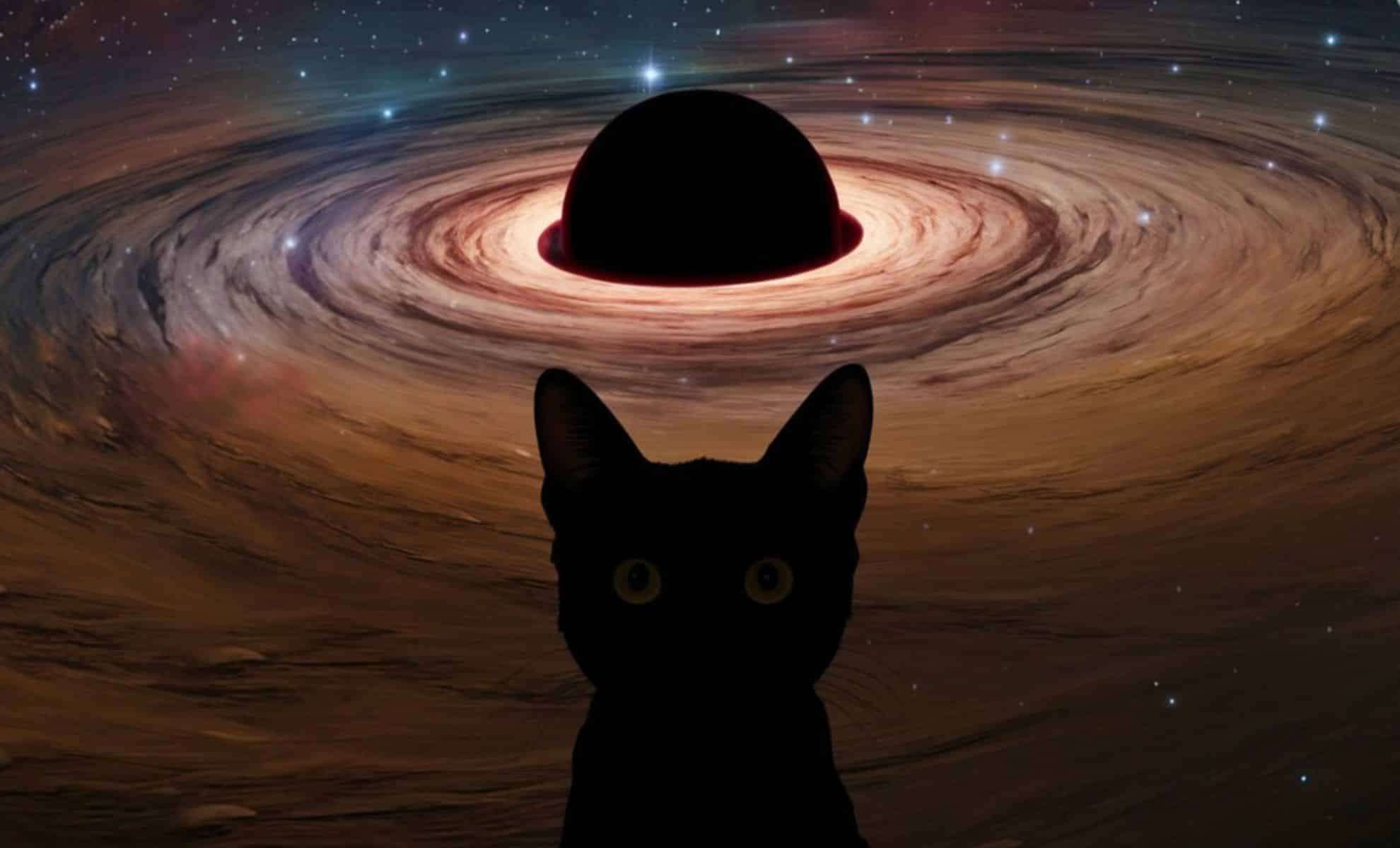
Imagine the possibility that your cat might unknowingly contain a tiny black hole capable of catastrophic consequences for planets. Although it sounds like a plot from science fiction, scientists are seriously investigating this fascinating hypothesis. Minute primordial black holes, thought to be vestiges from the universe's earliest moments, might be passing through everyday matter including animals, rocks, and metals, completely unnoticed. This unexpected theory could pave the way toward unraveling the elusive nature of dark matter.
The Intriguing Nature of Primordial Black Holes
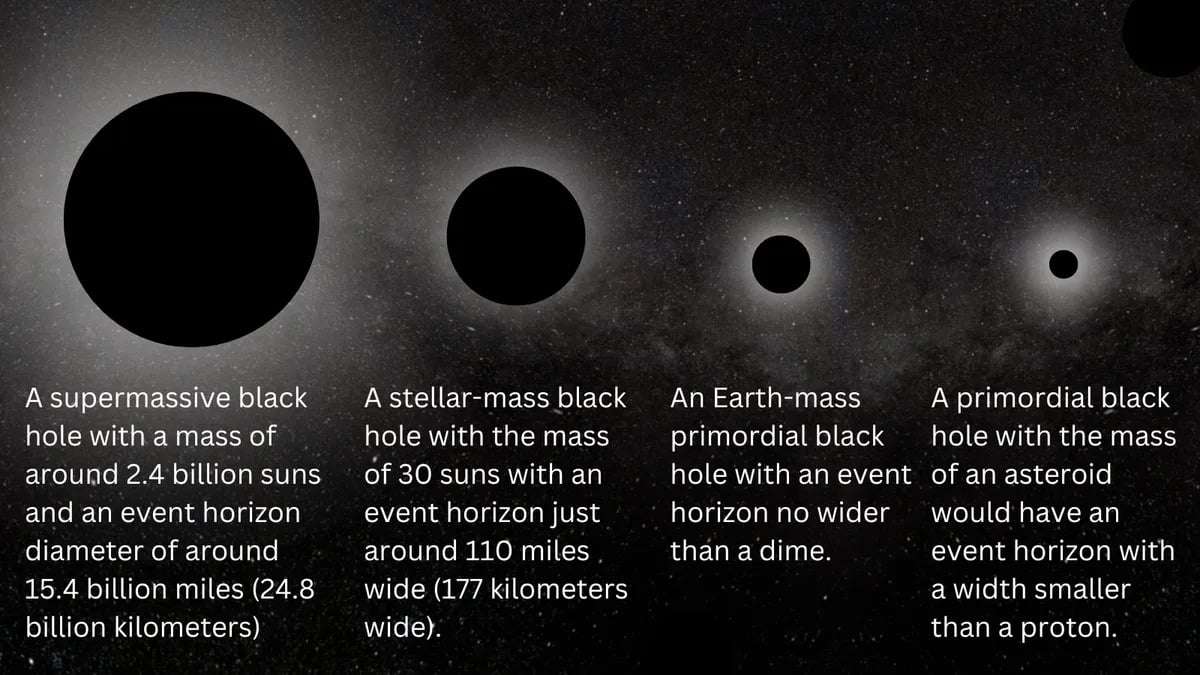
Formed in the immediate aftermath of the Big Bang due to density fluctuations, primordial black holes are extremely small—sometimes smaller than atoms—but can have masses equivalent to asteroids or small planetary bodies. Unlike the gargantuan supermassive black holes found at galaxy centers, these ancient relics are diminutive yet potentially abundant.
A study from the University at Buffalo, headed by Dr. Dejan Stojkovic, proposes that primordial black holes might constitute the mysterious dark matter responsible for approximately 85% of the universe’s mass. Confirming their existence would radically transform fundamental cosmology and our grasp of universal composition.

Can a Black Hole Pass Through Living Beings?
The thought of such a black hole traversing your body or your pet is unsettling, but the actual effects are negligible. Traveling near light speed, a primordial black hole moving through matter would not impart enough energy to cause harm. As explained by Dr. Stojkovic:
“A black hole of this size would pass through matter almost unnoticed. It would not slow down and would cause no damage. It’s a black hole, but it’s so tiny and fast that we’d never feel it.”
What If a Primordial Black Hole Enters a Planet?
Should such a black hole become trapped within a planet’s interior, it might gradually consume the core, potentially hollowing out the planet and leaving behind a fragile shell. However, this remains a speculative hypothesis due to the improbability of capture and the challenge of detection, as these tiny black holes would transit matter without significant interaction.
If discovered, this phenomenon could yield valuable information about planetary interiors and possibly influence the study of planetary system evolution.
Is Earth at Risk from Primordial Black Holes?
The prospect of a primordial black hole obliterating Earth is exceedingly remote. Their minuscule size means their gravitational impact is minimal when compared to our planet’s scale.
Dr. Stojkovic asserts that even if such a black hole passed through Earth, it would cause no notable damage. The amount of energy transferred would be insignificant, ruling out any chance of global catastrophe. These black holes simply lack the mass and gravitational influence required to wreak havoc.
Furthermore, encounters with primordial black holes are extremely unlikely, given their inconspicuous nature and rapid transit through matter. Even if one were captured within Earth, any resulting effects might be minor structural adjustments rather than world-ending destruction.
The Importance of Searching for Primordial Black Holes
Despite the formidable task, locating primordial black holes remains a crucial avenue in the quest to comprehend dark matter. Dr. Stojkovic highlights:
“Even though the chance of detecting one is incredibly small, the discovery of even one primordial black hole would revolutionize our understanding of dark matter and the very nature of the universe.”
This challenging yet promising pursuit could unlock profound insights about the cosmos, making it a high-stakes but potentially transformative scientific endeavor.
Essential Takeaways
- Primordial black holes likely originated soon after the Big Bang, with masses around those of asteroids or tiny planets.
- These microscopic black holes are potential dark matter constituents, elusive and hard to detect.
- They would pass harmlessly through matter—including humans, pets, and rocks—due to their tiny dimensions and exceptional speed.
- Entrapment in a planet could lead to gradual core consumption, but such events are highly improbable.
- The search for primordial black holes is a cost-effective research effort with potentially groundbreaking implications.
- Earth’s destruction by such black holes is extremely unlikely because of their small mass and rapid transit.
The Ongoing Hunt
Researchers are refining detection techniques, employing sophisticated particle detectors and gravitational wave observatories to spot primordial black holes. Success in this quest could unlock the secrets of dark matter and reshape our understanding of the universe. Whether or not these elusive entities are found, the effort to locate them remains one of modern astrophysics’ most captivating frontiers.
- Categories:
- Astronomy ,
- Science









0 comments
Sign in to Comment