
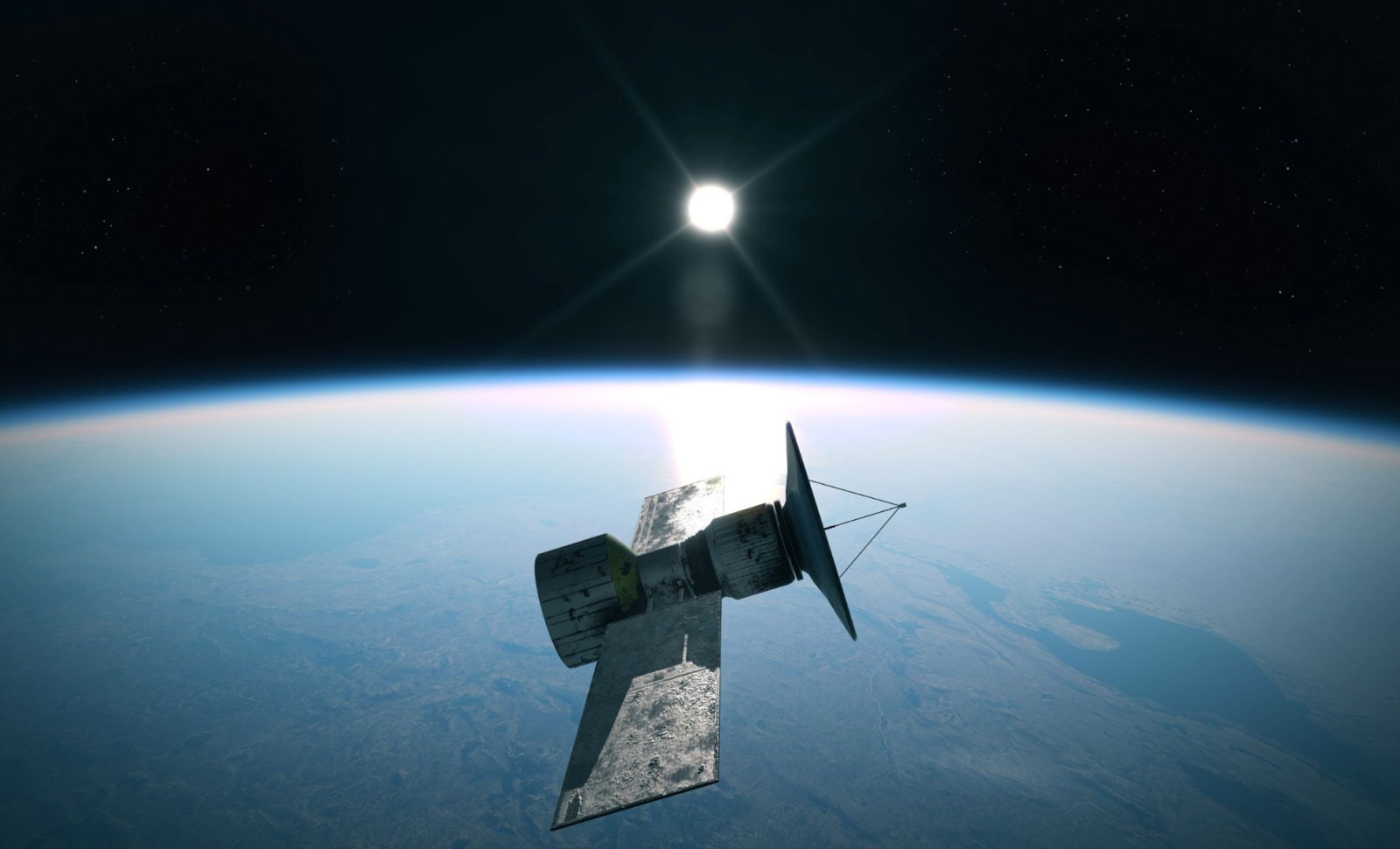
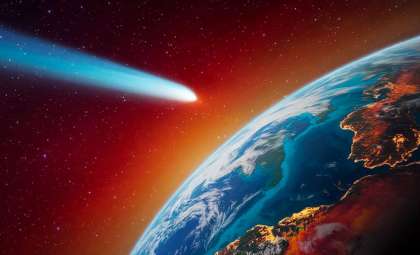
Recent findings indicate the Sun might have a more significant impact on clearing debris from low Earth orbit than previously understood. By analyzing extensive orbital datasets, scientists discovered that heightened solar activity periods correspond with quicker reentry rates of space junk.
This discovery comes amidst growing concerns over the crowded conditions in Earth’s orbital space, increasingly populated by satellites and remnants of defunct missions. Although the relationship between solar conditions and orbital decay is known, this study emphasizes the persistent effect on debris over extended time frames rather than short-term satellite operations.
Experts at the Vikram Sarabhai Space Centre and the Indian Institute of Space Science and Technology have explored historical orbital information to clarify the forces driving natural reentry phenomena. Their findings, published in Frontiers in Astronomy and Space Sciences, focus on how several solar cycles have influenced the trajectories of cosmic debris.

Insights from Four Consecutive Solar Cycles
In the study detailed by Frontiers in Astronomy and Space Sciences, the team monitored 17 orbiting objects spanning close to 40 years. Their observations covered solar cycles 22, 23, 24, and into 25.
Solar cycles, which last about 11 years each, mark the rise and fall of solar activity. During peak times, sunspot numbers increase and solar emissions intensify, impacting the space environment.
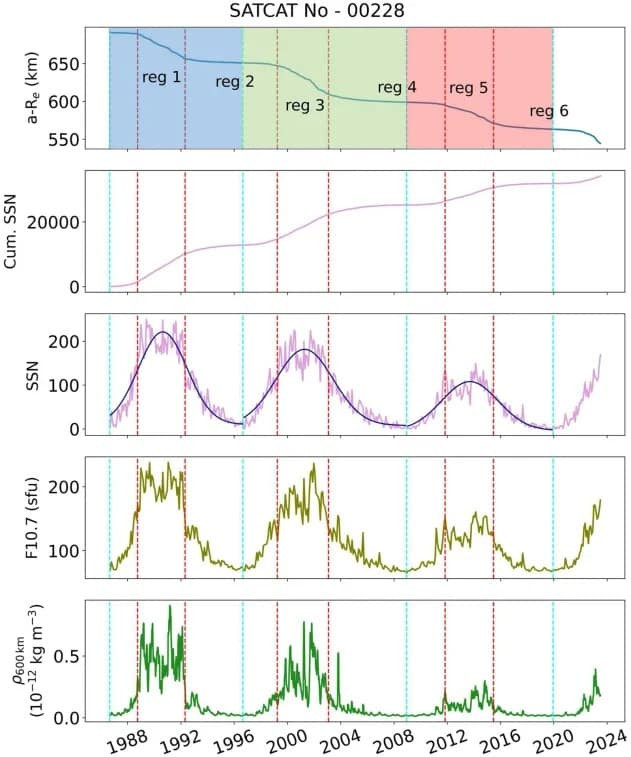
The research team initially considered 95 candidate objects sourced from the Space-Track catalog administered by North American Aerospace Defense Command (NORAD). They then refined this selection to debris suitable for long-duration analysis, including well-known items like Explorer 7, one of the oldest cataloged satellites, marked as number 22.
They noted that space debris offered a more consistent dataset for studying natural orbital decay compared to active satellites, which often use onboard systems to compensate for atmospheric interference.
Extreme Ultraviolet Radiation: A Key Factor
The study identified extreme ultraviolet radiation (EUV) as the most influential factor in accelerating debris orbital decay. While the effect of solar activity on drag is acknowledged, its persistent impact on space junk had not been deeply examined until now.
“The rapid expansion of the space sector and the corresponding growth in space debris population have made it increasingly important to understand the long-term drivers of orbital decay,” they added.
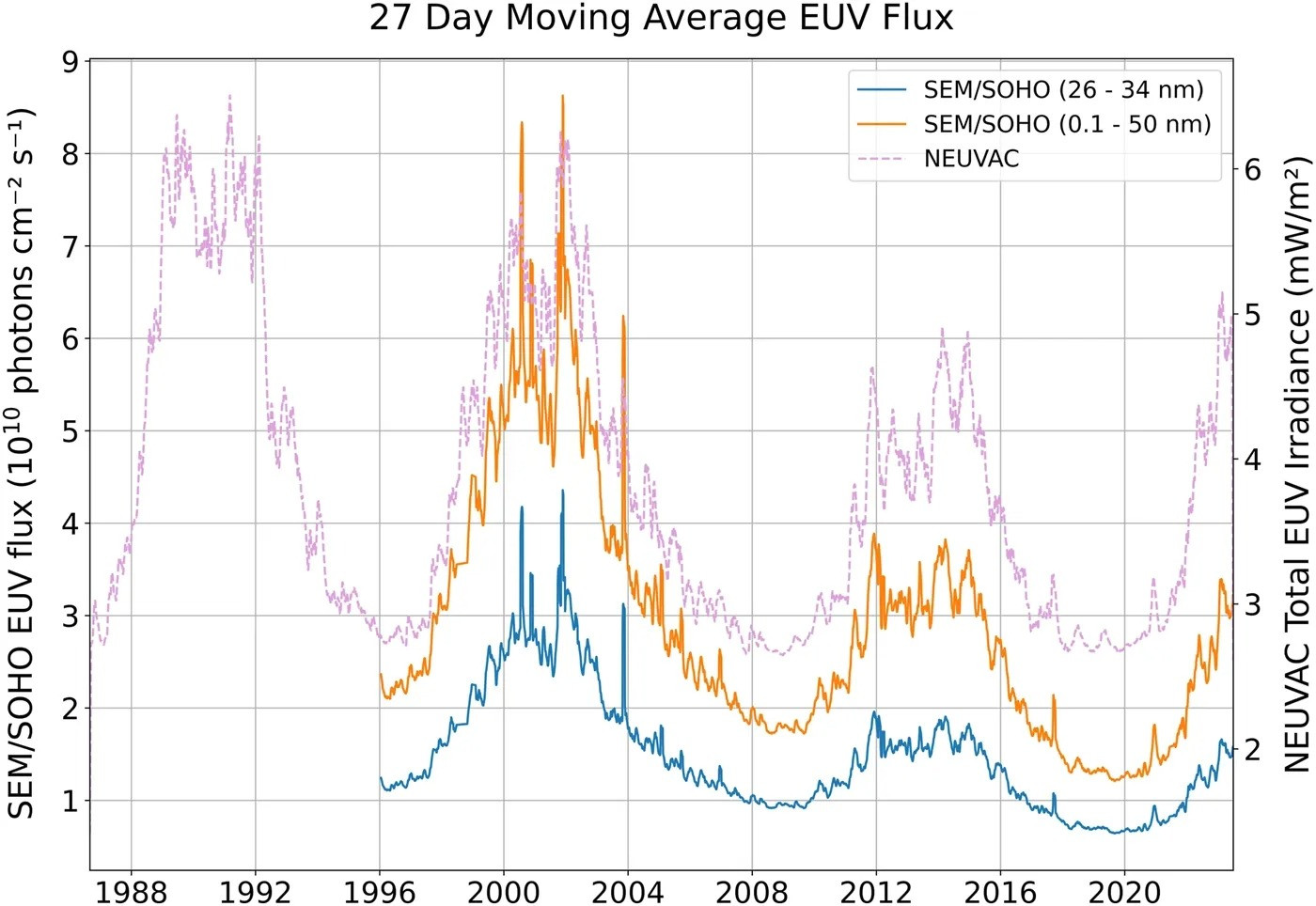
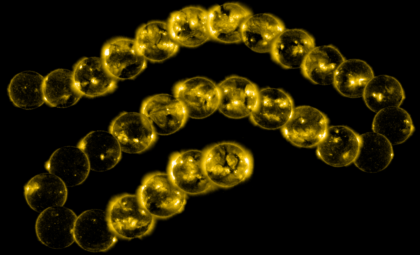
The investigation revealed that geomagnetic activity has a lesser effect on orbital decay compared to EUV radiation. To corroborate their results, they utilized solar data from the joint NASA–ESA SOHO mission, which has been continuously observing the Sun since 1996.
Increasing Orbital Crowding Enhances Need for Decay Studies
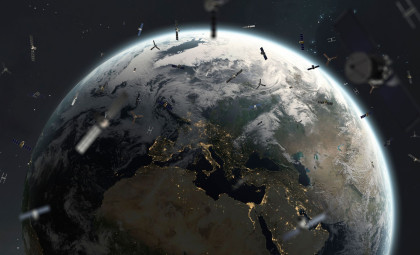
These insights are timely given the expanding population of objects orbiting the Earth. Operational spacecraft and stations such as the International Space Station and Tiangong regularly adjust their orbits to minimize collision risks related to debris.
The orbital environment is further complicated by the deployment of massive satellite constellations. For example, SpaceX Starlink has already conducted over 50,000 collision avoidance maneuvers in the initial months of 2024 to safeguard their satellite fleet.
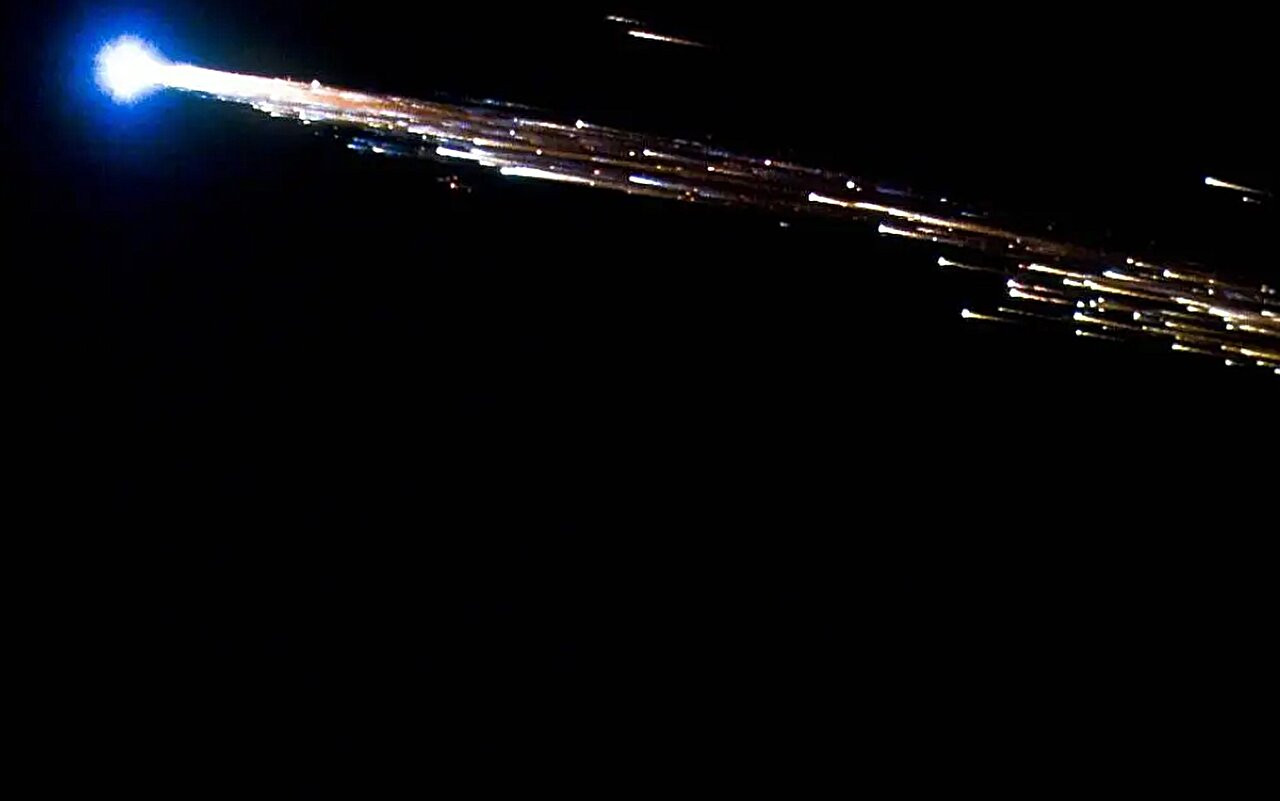
As the orbital population swells, understanding how solar activity influences atmospheric drag is increasingly critical for managing space traffic and debris mitigation strategies.
- Categories:
- Space





0 comments
Sign in to Comment