
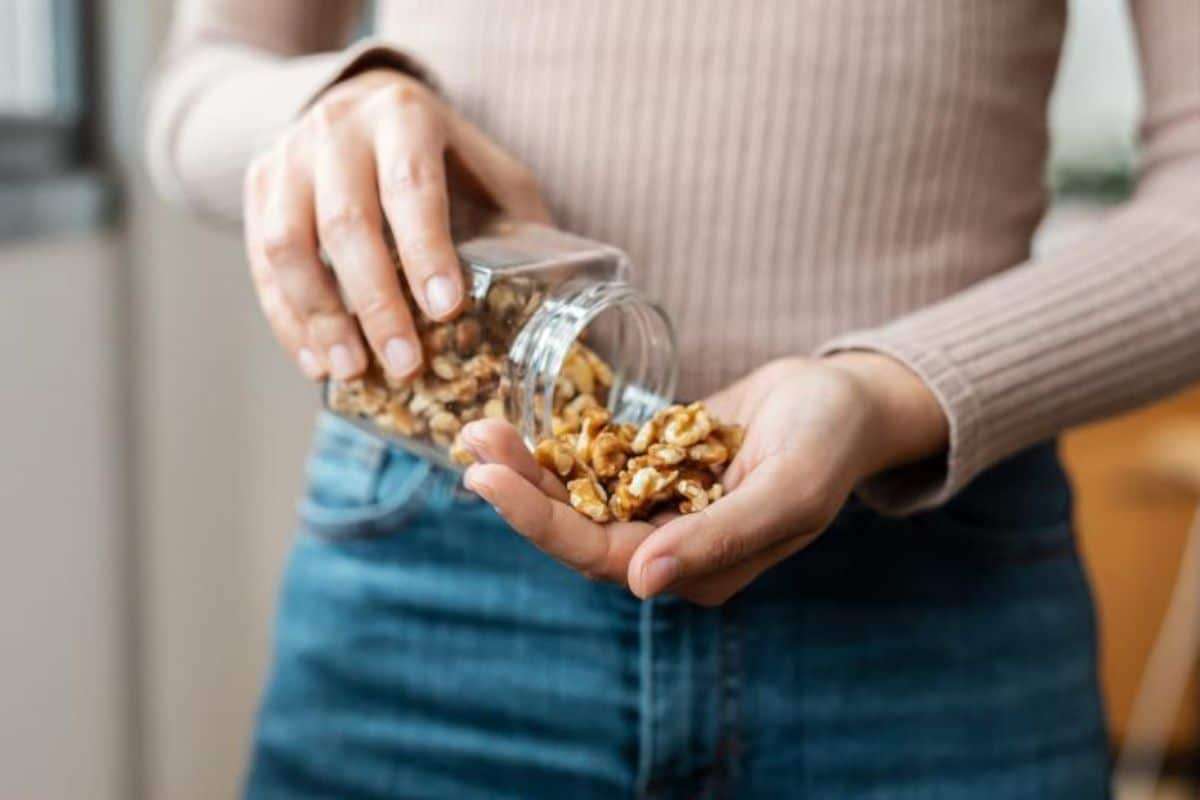
Walnuts rank among the most effective foods for protecting heart health. Packed with essential nutrients, these nuts help reduce LDL cholesterol—the harmful type—while simultaneously boosting HDL cholesterol, which helps clear cholesterol from the bloodstream. Their distinctive nutrient composition makes walnuts an excellent choice for anyone aiming to lower cardiovascular risk and enhance overall health.
Cholesterol: What You Need to Know
Cholesterol is a wax-like molecule circulating in your blood, crucial for cell repair and hormone production. However, when levels become unbalanced, health complications can arise. Elevated LDL cholesterol contributes to arterial plaque buildup, raising the likelihood of heart attacks and strokes. On the flip side, HDL cholesterol functions to remove excess LDL, acting as a natural cleanser for your cardiovascular system.
Registered dietitian Wendy Bazilian emphasizes the importance of managing these cholesterol levels for heart wellness. Integrating foods that promote healthy cholesterol balance is a key strategy—and walnuts are at the forefront.

"HDL, often called the ‘good’ cholesterol, works by transporting surplus cholesterol from the bloodstream. I compare it to garbage trucks that collect and transport waste for processing and elimination," Bazilian explains.
What Makes Walnuts Exceptional for Heart Health?
Walnuts shine due to their ability to positively influence cholesterol, driven by their rich mix of vital elements like fiber, omega-3 fatty acids, and potent antioxidants. Here’s why they stand out:
- Plant-based protein low in saturated fat: A standard 1-ounce serving delivers 4 grams of protein while being low in saturated fat—a benefit for keeping LDL cholesterol in check.
- Cholesterol-lowering fiber: Each ounce contains 2 grams of fiber that binds cholesterol in the digestive tract, facilitating its removal and easing LDL reduction.
- Omega-3 fatty acids support lipid metabolism: Walnuts are rich in alpha-linolenic acid (ALA), which aids in clearing LDL cholesterol and bolstering heart function.
- Antioxidants combat inflammation: Polyphenols in walnuts neutralize damaging free radicals, lowering oxidative stress and encouraging higher HDL cholesterol.
- Enhancement of gut health: Consuming walnuts promotes the growth of beneficial gut bacteria tied to improved metabolic health and lower cholesterol.
The Research Evidence Behind Walnuts
Numerous scientific studies have explored walnuts' health benefits. As Bazilian notes, “Since that time, literally hundreds of studies have expanded and confirmed a wide variety of health benefits of nuts.” One significant investigation, a landmark 1993 study from Loma Linda University, demonstrated their effectiveness in enhancing cholesterol profiles. Consuming just 1 to 2 ounces daily has been linked to reducing LDL cholesterol by around 4%.
Though seemingly modest, this reduction can substantially cut heart disease risk over the long term. Additionally, walnuts contribute to gut health and minimize inflammation, offering a holistic approach to better wellness.
Easy Ways to Add Walnuts to Your Diet
Incorporating walnuts into daily meals is a tasty and straightforward method to nurture heart health. Whether enjoyed on their own, sprinkled over dishes, or mixed into recipes, walnuts provide unmatched heart benefits. Their satisfying taste and adaptability make them a delightful ingredient for any eating plan.
Far beyond being just a delicious snack, walnuts are a potent nutritional ally in managing cholesterol and promoting cardiovascular well-being. Providing plant-based protein, fiber, omega-3 fats, and antioxidants, they address many factors behind a healthy heart. Adopting walnuts into your everyday routine can contribute to reducing LDL cholesterol, elevating HDL cholesterol, and supporting your health for years ahead.
- Categories:
- Health













0 comments
Sign in to Comment