
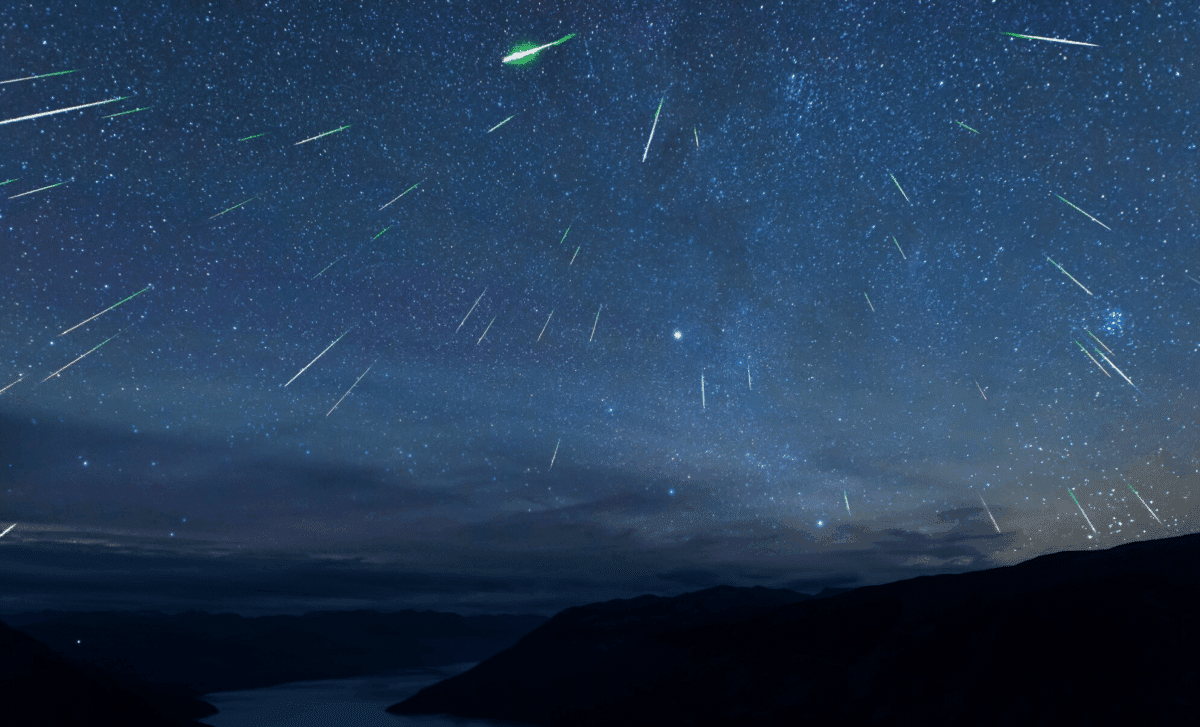
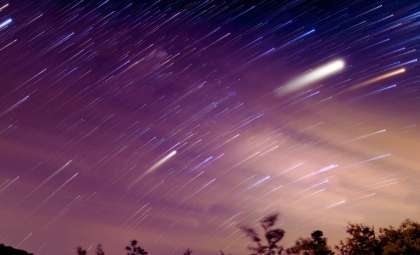
This November, the Taurid meteor shower captivates skywatchers with its extended display. Unlike many meteor showers that last for only a few days, the Taurids offer a prolonged spectacle, visible from mid-October through mid-November. As the moonlight lessens, observers can enjoy the sight of these slow-moving meteors crossing the night sky. The dazzling fireballs they produce make this event a must-see celestial phenomenon.
What Distinguishes the Taurid Meteor Shower?
Known for its distinct characteristics, the Taurid meteor shower stands out due to the slow speed of its meteors and the frequent appearance of bright fireballs. In contrast to other meteor showers that usually peak briefly, the Taurids provide a longer viewing period—starting in mid-October and continuing through mid-November. The meteors appear to emerge from the Taurus constellation, many exhibiting a noticeable yellow or orange glow. These traits make the Taurids a memorable annual highlight in the night sky.
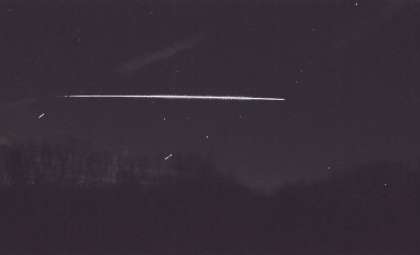
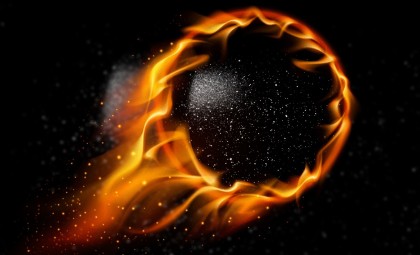
The shower’s fireballs, noticeably larger and brighter meteors, are a signature feature. They originate from debris shed by Comet Encke, whose relatively sizable fragments create spectacular luminous trails. These brilliant streaks linger longer than typical meteors due to their slower travel speed, giving observers more time to admire the show.

Optimal Times for Observing the Taurids
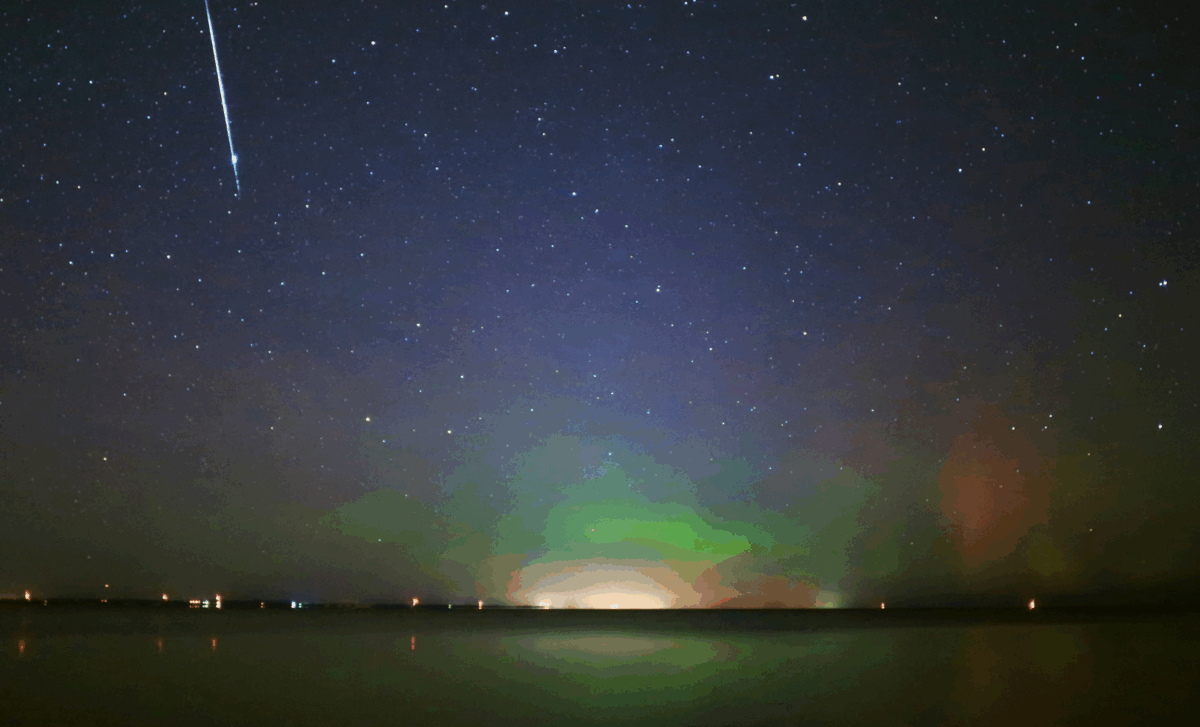
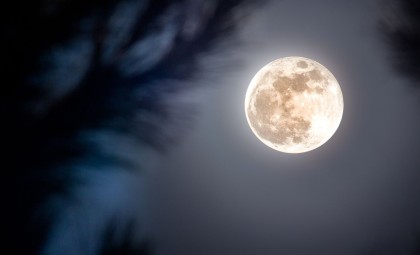
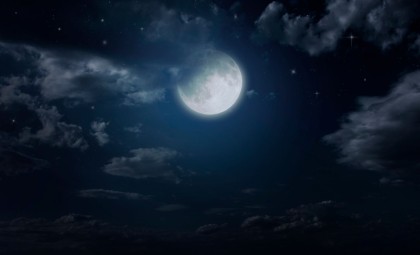
The team at Space.com notes that although the full moon early in November reduced the visibility of the Taurids, there remains ample opportunity for viewing. As the moon wanes, darker skies improve meteor visibility. The best night to catch the Taurids is expected to be November 12, when the moon rises late, offering several hours of moonless darkness—ideal conditions for spotting these meteors.
As the lunar phase progresses, the skies will become darker sooner, increasing the chance to observe up to 15 meteors per hour on clear nights. Whether you’re a seasoned astronomer or new to meteor watching, this is a fantastic time to witness an impressive celestial event.
Finding the Taurids in the Night Sky
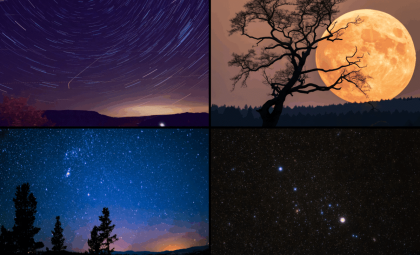
To enjoy the Taurid shower, it’s important to know where to look. These meteors appear to originate from the Taurus constellation, which rises in the eastern horizon a few hours after sunset. By roughly 1:30 a.m., Taurus will be positioned near the zenith, offering a prime viewing opportunity. For the best results, seek out locations with minimal light pollution away from urban areas.
Look for slow, luminous streaks tinged with yellow or orange hues—distinctive markers of the Taurids. This slower pace and color differentiate them from faster showers like the Perseids and Leonids. If fortune favors you, a spectacular fireball may blaze across the sky, leaving a lingering trail behind.
The Science Explaining the Taurid Meteor Shower
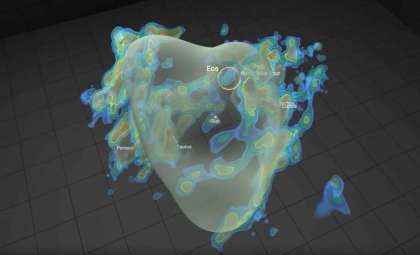
The Taurids aren’t just a visual delight; they also have an intriguing scientific background. These meteors are debris left behind by Comet Encke, notable for its short orbital period of just 3.3 years around the Sun. The larger fragments from this comet contribute to the frequent fireballs observed during the shower. When these chunks enter Earth's atmosphere, they burn up, producing the vivid meteoric streaks.
The relatively low entry speed of these meteors—around 17 miles per second—causes their prolonged visibility and slower movement across the sky. This leisurely pace enhances the viewing experience without sacrificing the brightness and spectacle of the display.
Why This Year’s Taurid Meteor Shower Deserves Your Attention
The Taurids this year are expected to be especially engaging. Despite some early moonlight interference, the waning lunar phase later in the week will create favorable viewing conditions. The combination of slow-moving meteors and striking fireballs makes this shower one of the most visually appealing of the year. Whether watching alone or with others, it offers a rare opportunity to witness a beautiful astronomical event before it returns next year.
Additionally, November offers another highlight for night sky enthusiasts—the Leonid meteor shower, expected to peak on November 18. The Leonids feature faster meteors but fewer in number than the Taurids. Together, these two showers promise an exciting week filled with meteor activity for stargazers.
- Categories:
- News

0 comments
Sign in to Comment