
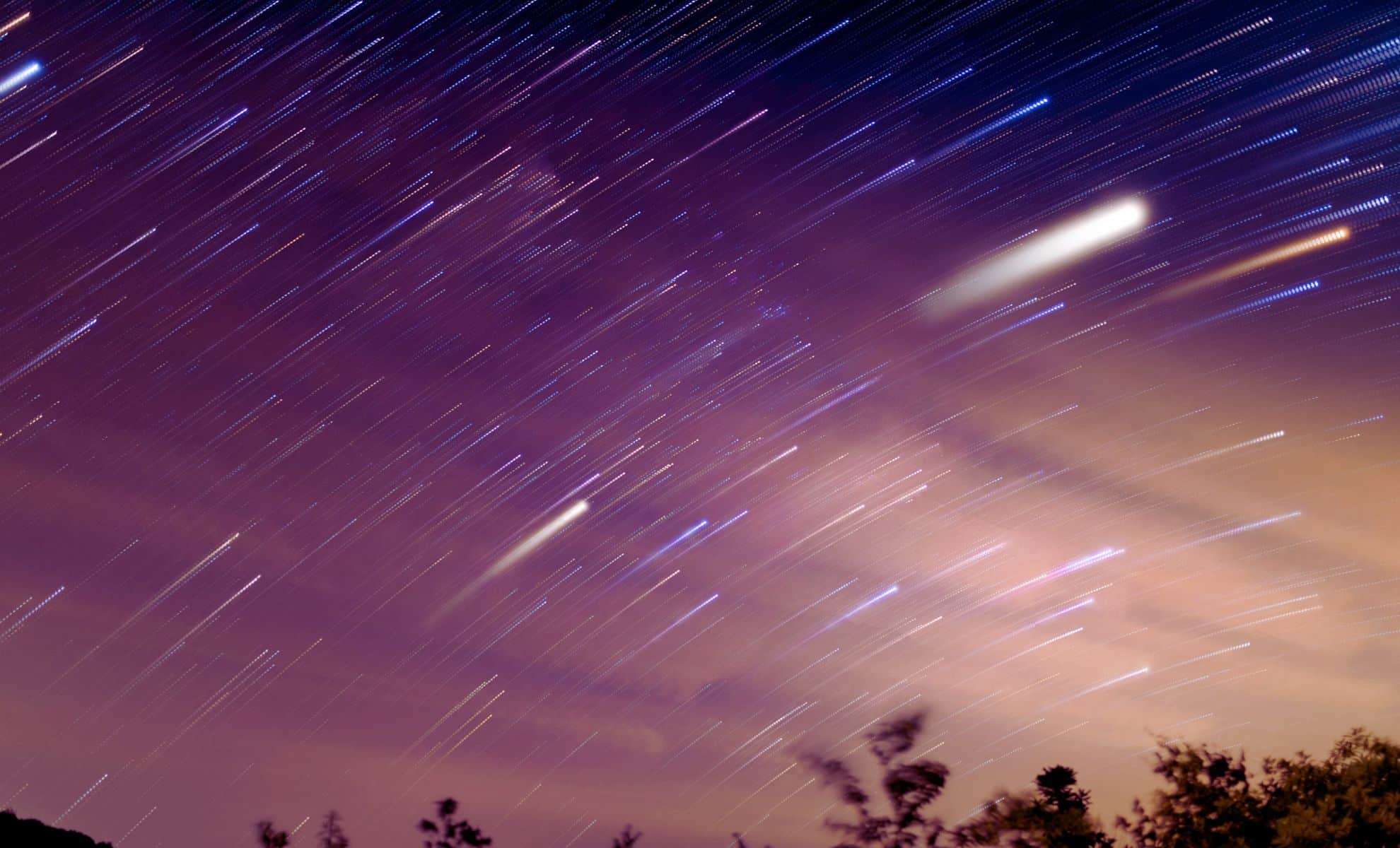
Recently, astronomers and night sky lovers have turned their attention to an infrequent and little-known meteor shower called the Chi Cygnids. Unearthed by NASA scientist Peter Jenniskens in 2015, this elusive meteor shower is set to reach its peak in mid-September, offering a rare spectacle for stargazers. According to IFLScience, this event occurs once every five years and has steadily grown in prominence as its activity intensifies.
The Emergence of the Chi Cygnids Meteor Shower
The Chi Cygnids have only recently become recognized by the astronomical community. The phenomenon was first spotted in 2015 when Peter Jenniskens of the SETI Institute identified a potential meteor stream linked to the Chi Cygni star located in the Cygnus constellation. Subsequent analysis of earlier observational data revealed these meteors had been present since at least 2010, although they were not previously identified as a distinct shower.
This discovery has expanded our knowledge of meteor showers, especially with the Chi Cygnids’ unique five-year recurrence, distinguishing them from the well-known annual showers. Though subtle and infrequent, this meteor shower provides an exciting opportunity to witness a newly characterized cosmic event. Its irregular appearances make each peak particularly special, with astronomers keenly awaiting every new display.

Origins Behind the Chi Cygnids Meteor Shower
Similar to other meteor showers, the Chi Cygnids occur when Earth passes through a stream of dust and debris left by a comet or asteroid. However, the precise source of the debris remains unknown. Unlike many meteor showers linked to famous comets, the Chi Cygnids’ parent body has yet to be confirmed. Jenniskens has proposed an asteroid called 2020RF as a candidate. This asteroid is gravitationally influenced by Jupiter and orbits the Sun every 5.08 years, closely matching the five-year cycle of the Chi Cygnids.
Despite this plausible connection, definitive proof tying 2020RF to the meteor shower’s origin has not been established. Ongoing research into meteor shower sources continues to offer valuable insights into the dynamics of our solar system and the objects within it.
Best Viewing Opportunities for the Chi Cygnids
The peak activity for the Chi Cygnids will occur from September 13 to 15, 2025, representing the prime window for observers to catch this spectacular event. Optimal viewing requires heading to dark areas away from urban light pollution. The meteor shower’s radiant point is near the star Chi Cygni in the Cygnus constellation, which rises high after sunset, making evening hours ideal for spotting meteors, unlike other showers that peak in the early morning.
Additional favorable conditions include the moonrise schedule; the Moon will not appear until after midnight on September 13 and 14, allowing several dark hours for observation. Skywatchers able to reach dark, clear skies will have the greatest chance to witness this extraordinary meteor shower.







0 comments
Sign in to Comment