
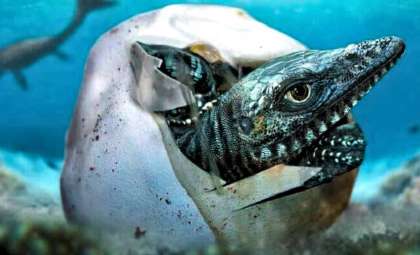
Scientists have unveiled a previously unknown mosasaur species, a powerful marine reptile that ruled prehistoric oceans during the late Cretaceous era. This newly named species, Jormungander walhallaensi, draws inspiration from the mythical Norse sea serpent and provides valuable insight into early marine predator evolution.
A Fossil Preserved Through the Ages
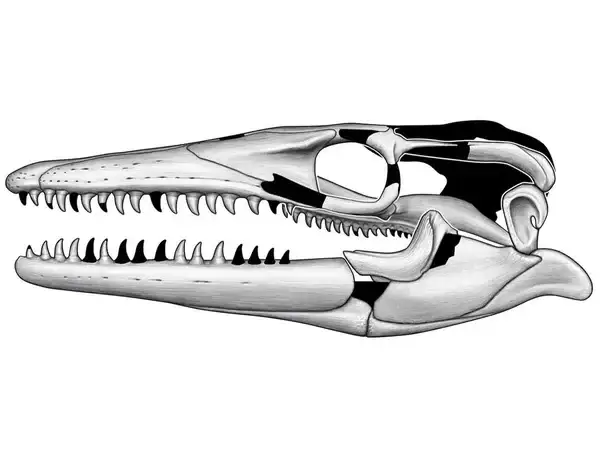
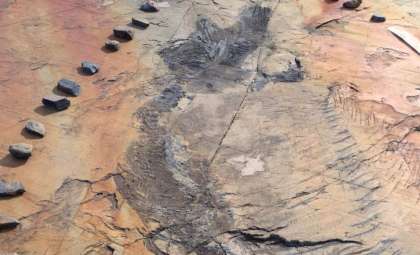
Reports from Mirror reveal that the fossil’s journey began in 2015 in Walhalla, North Dakota, where paleontologists uncovered an extraordinarily intact skeleton. Most of the cranium, jaws, and spinal column were intact, alongside an extensive series of vertebrae. After extensive study utilizing surface scans over eight years, the specimen was identified as a species distinct from previously documented mosasaurs.
“This specimen originates from a U.S. geological period about which we have limited knowledge,” stated Clint Boyd from the North Dakota Geological Survey, underlining the discovery’s significance in piecing together marine reptile history.

Linking Two Ancient Marine Giants
The Jormungander walhallaensi likely stretched close to 24 feet in length and possessed sturdy fins, a tail resembling that of a shark, and unique eyebrow-like ridges that give it a fierce appearance. Research indicates that this species exhibits intermediate traits bridging two prominent mosasaur groups: the smaller Clidastes and the gigantic Mosasaurus, which could reach nearly 50 feet long.
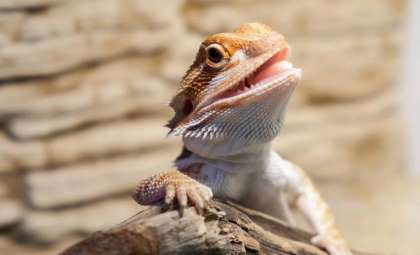
“Imagine a Komodo dragon scaled up and equipped with fins—that’s essentially what this ancient predator would have looked like,” explained Amelia Zietlow, lead author and doctoral candidate at the American Museum of Natural History’s Richard Gilder Graduate School.
Insights Into the Cretaceous Marine World
Originating about 80 million years ago, Jormungander walhallaensi inhabited the seas prior to the emergence of larger mosasaurs. These giant reptiles were dominant marine hunters and are more closely related to lizards and snakes than dinosaurs. They transitioned from land to sea, becoming apex aquatic predators until the mass extinction event triggered by the infamous asteroid strike ended the Cretaceous period.
By filling critical gaps in the ecosystem’s timeline, this discovery enhances our comprehension of how mosasaurs evolved to thrive in their environments. As Boyd noted, “Expanding our understanding of both the geographic range and timeframe allows for a fuller picture of these creatures.”
“The story of Jormungandr offers fascinating perspectives on the northern reaches of the ancient interior seaway and demonstrates how mosasaur discoveries can ignite scientific intrigue,” added Nathan Van Vranken from Eastern West Virginia Community and Technical College.
- Categories:
- News


0 comments
Sign in to Comment